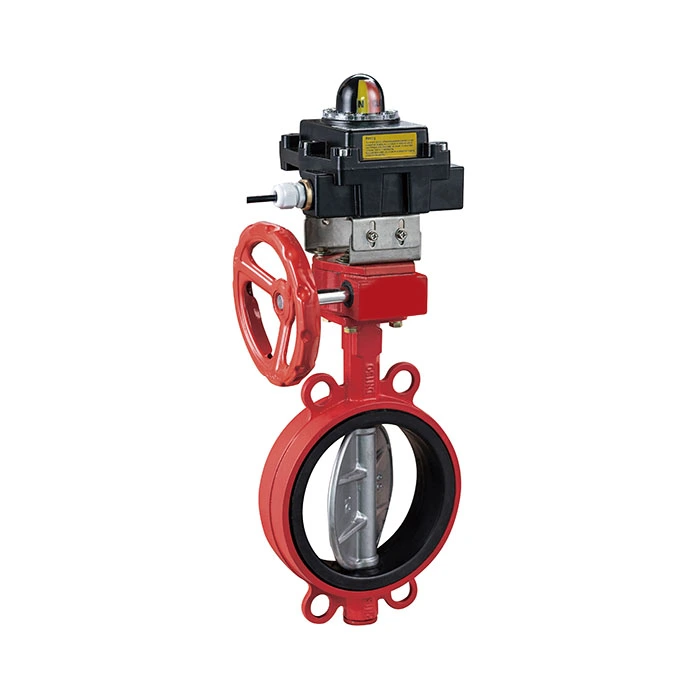
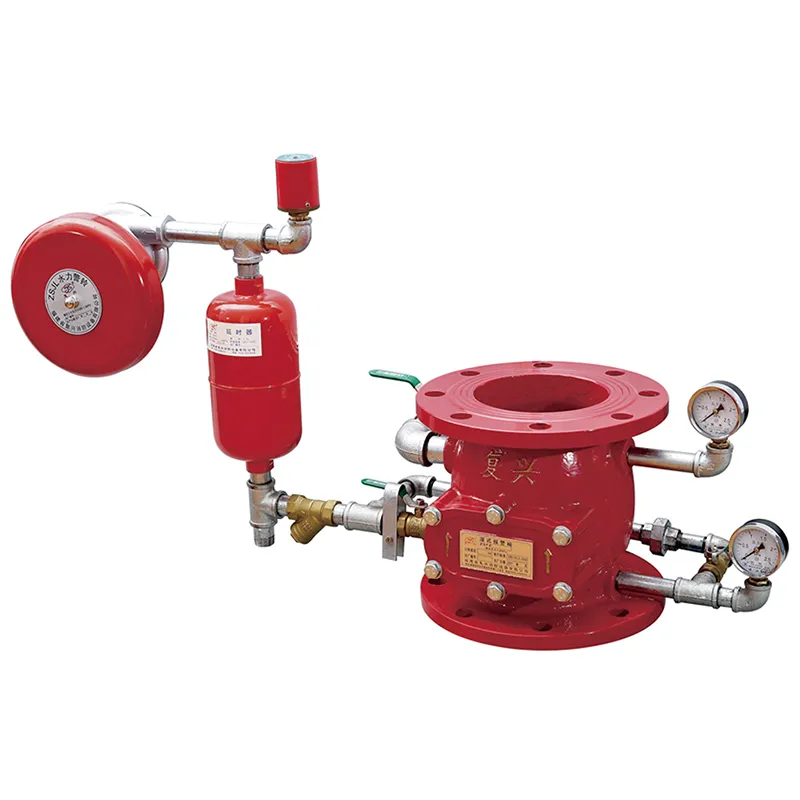
The alarm valve is the core control component of an automatic sprinkler fire extinguishing system. Through three core functions—monitoring pipeline pressure changes, activating alarm signals, and linking with fire-fighting equipment—it achieves automatic early warning and fire extinguishing activation in the initial stages of a fire. It is widely used in B2B scenarios such as industrial plants, commercial buildings, and power facilities. The following is a structured application analysis:
Core Application Scenarios (classified by industry/scenario)
Machining workshops, automobile manufacturing plants (solid fire risk): Equipped with wet alarm valves, quickly activating water spray during a fire to cool equipment and goods and prevent fire spread.
Cold storage, low-temperature warehouses (environments below -4℃): Using dry alarm valves to prevent pipeline freezing and system failure, ensuring reliable fire protection in low-temperature areas.
Electronics factories, precision instrument workshops (sensitive to water damage): Using pre-action alarm valves (requiring linkage with fire detectors), avoiding damage from accidental spraying while still providing rapid fire response.
Core requirements: Adaptable to high-flow fire extinguishing systems, resistant to industrial dust and vibration, and compatible with workshop fire linkage control systems.
Shopping malls, office buildings, hotels (high-density areas): Wet alarm valve + sprinkler system, automatically spraying water to extinguish fires and simultaneously triggering audible and visual alarms to guide personnel evacuation.
Libraries, archives, historical buildings (water-sensitive scenarios): Pre-action alarm valve, requiring dual confirmation from smoke/heat detectors before activation, avoiding damage to valuable items from accidental spraying.
Exhibition centers, theater stages (large open spaces): Deluge alarm valve + high-flow sprinklers, quickly covering the fire source and suppressing the spread of large-scale fires.
Core requirements: Alarm response time ≤ 30 seconds, support for linkage with building automation systems (BMS), and self-diagnostic capabilities.
Substations, power distribution rooms (electrical fire risk): Insulated wet-type alarm valve, combined with water mist nozzles, cools electrical equipment and avoids the risk of electric shock, while simultaneously triggering an alarm and power cut-off.
Cable tunnels, cable trenches (confined space fires): Deluge alarm valve + fine water mist system, quickly fills the confined space, suffocating the fire and cooling the cables to prevent fire spread.
Wind power/photovoltaic power stations (outdoor low-temperature environment): Dry-type alarm valve, adapts to outdoor temperature changes, prevents pipeline freezing and cracking, and ensures fire safety reliability in remote areas.
Chemical storage tank area (flammable liquid fires): Deluge alarm valve + foam-water sprinkler system, quickly sprays foam to cover the liquid surface, suffocating the fire and preventing re-ignition.
Chemical workshops (corrosive gas environment): Corrosion-resistant material (316 stainless steel) wet-type alarm valve, preventing system leakage or failure caused by corrosion.
Hazardous materials warehouse (mixed fire risk): Pre-action alarm valve, linked with flame detectors, accurately activates fire extinguishing, avoiding accidental spraying that could lead to leakage and spread of hazardous materials.
Core Requirements: Corrosion resistance, explosion-proof rating (Ex d IIB T4), supports integration with chemical park fire safety linkage platforms.
We use cookies to offer you a better browsing experience, analyze site traffic and personalize content. By using this site, you agree to our use of cookies. Privacy Policy