Industry News
 10 2025-12
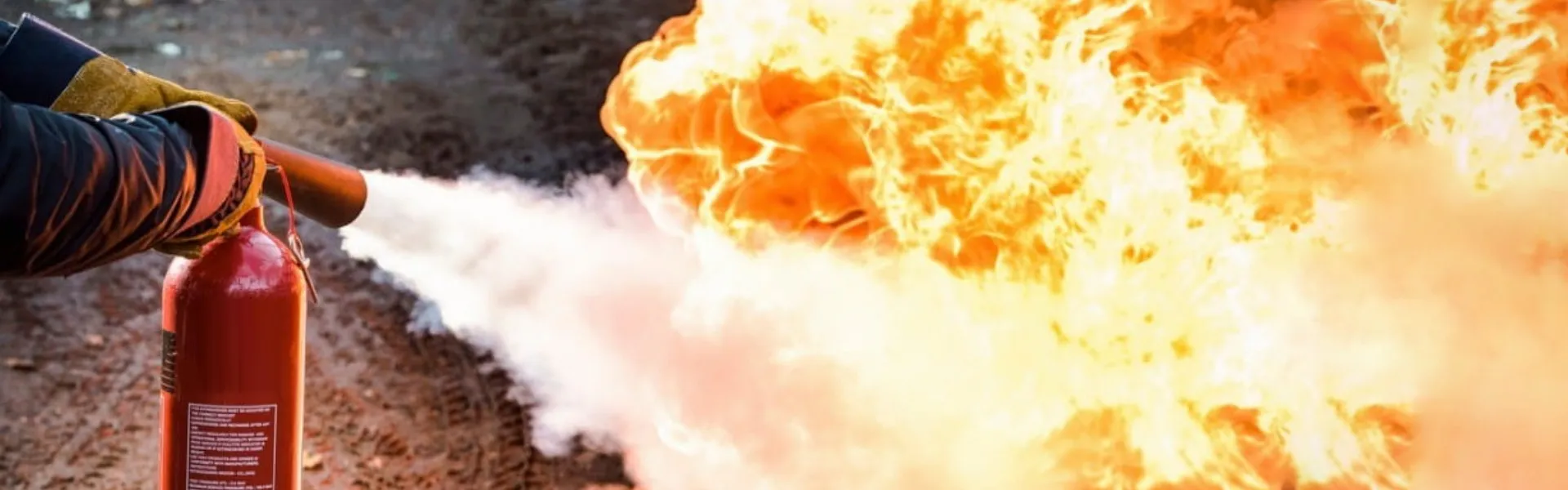
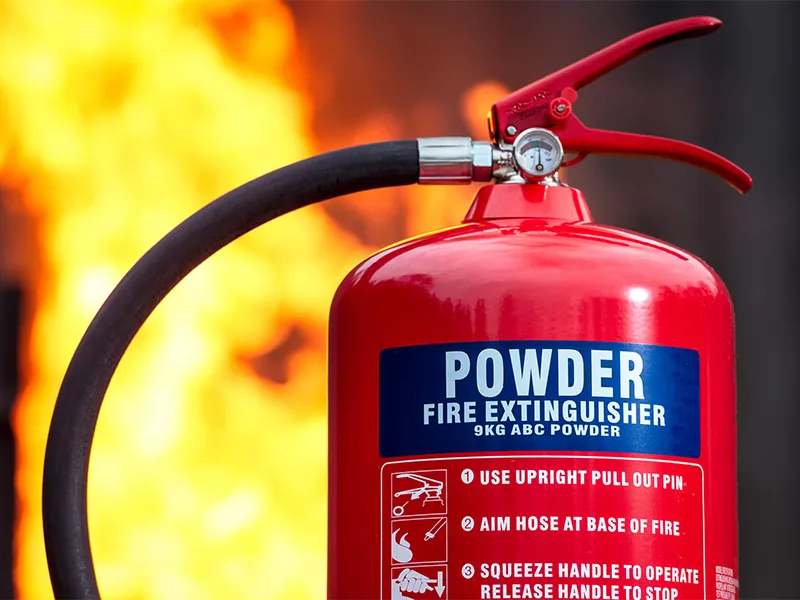
 Selection of dry powder fire extinguishers
Dry powder fire extinguishers are core fire safety equipment in industrial plants, commercial buildings, and kitchens due to their wide range of applications, high extinguishing efficiency, and low maintenance costs.
 10 2025-12
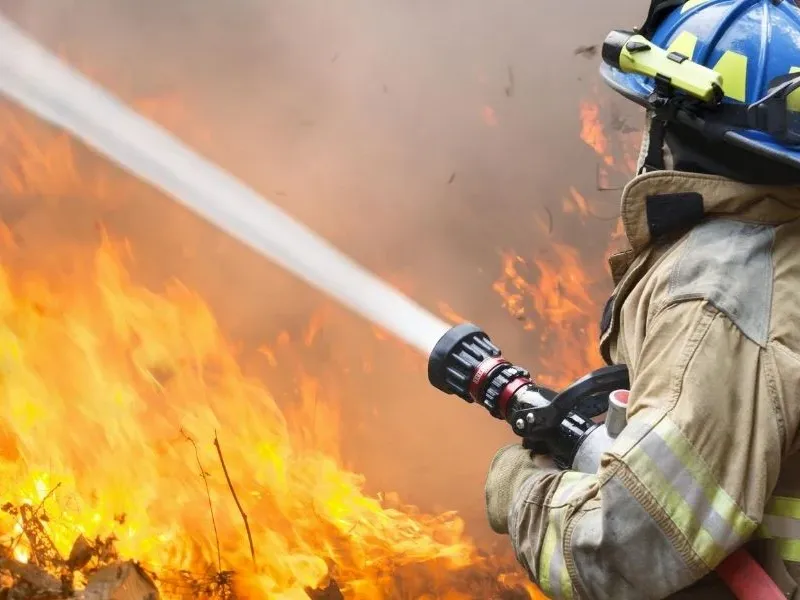
 The function of a fire hose nozzle
Fire nozzles, as a critical terminal device in fire protection systems, achieve four core functions—fire extinguishing, cooling, protection, and emergency response—through precise control of water flow patterns and spray performance.
 10 2025-12
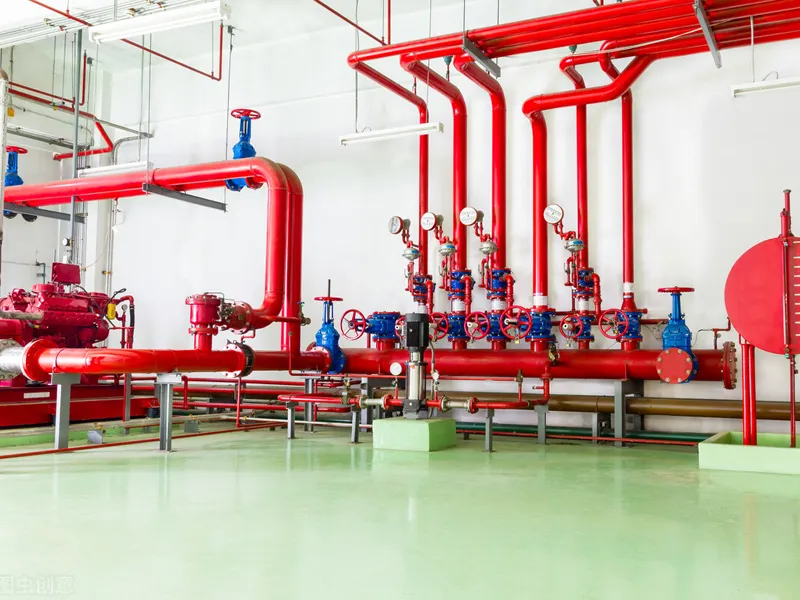
 Applications of alarm valves
The alarm valve is the core control component of an automatic sprinkler fire extinguishing system. Through three core functions—monitoring pipeline pressure changes, activating alarm signals, and linking with fire-fighting equipment—it achieves automatic early warning and fire extinguishing activation in the initial stages of a fire.
 12 2026-10
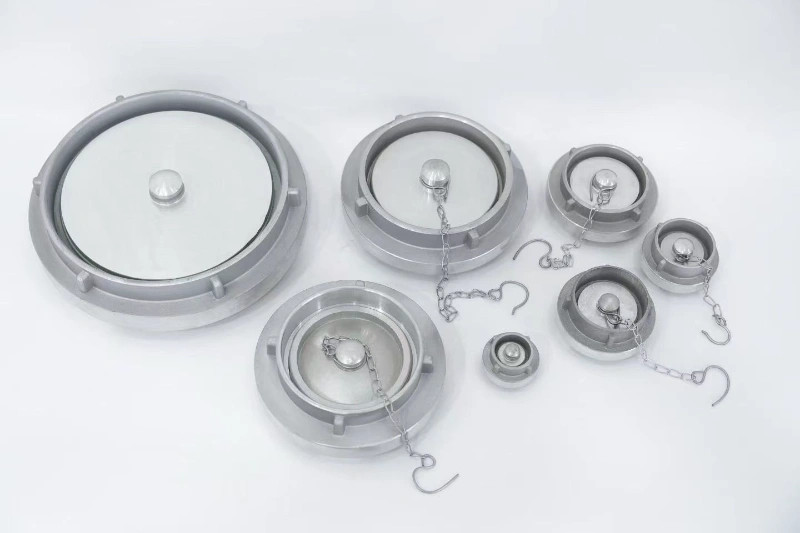
 Russian National Standard GOST R 53279-2009, "Fire-fighting equipment—Fire coupling"
Specifically, the fire coupling components underwent technical review and type testing in accordance with the Russian National Standard GOST R 53279-2009, "Fire-fighting equipment—Fire couplings—General technical requirements and test methods."
 20 2026-09
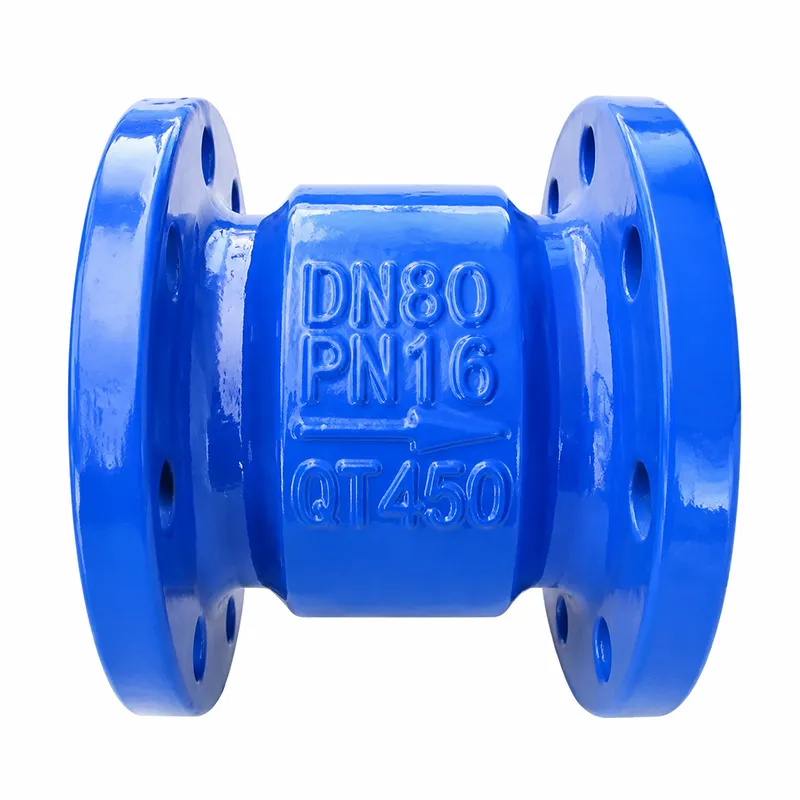
 How to Maintain Silent Check Valve for Reliable Fire Protection and Water System Performance
In modern water supply and fire protection systems, valve reliability plays an important role in ensuring safe and stable operation. As a key flow control component, the Silent Check Valve is designed to prevent reverse flow, reduce water hammer effects, and maintain smooth pipeline operation in various applications.
 21 2026-08
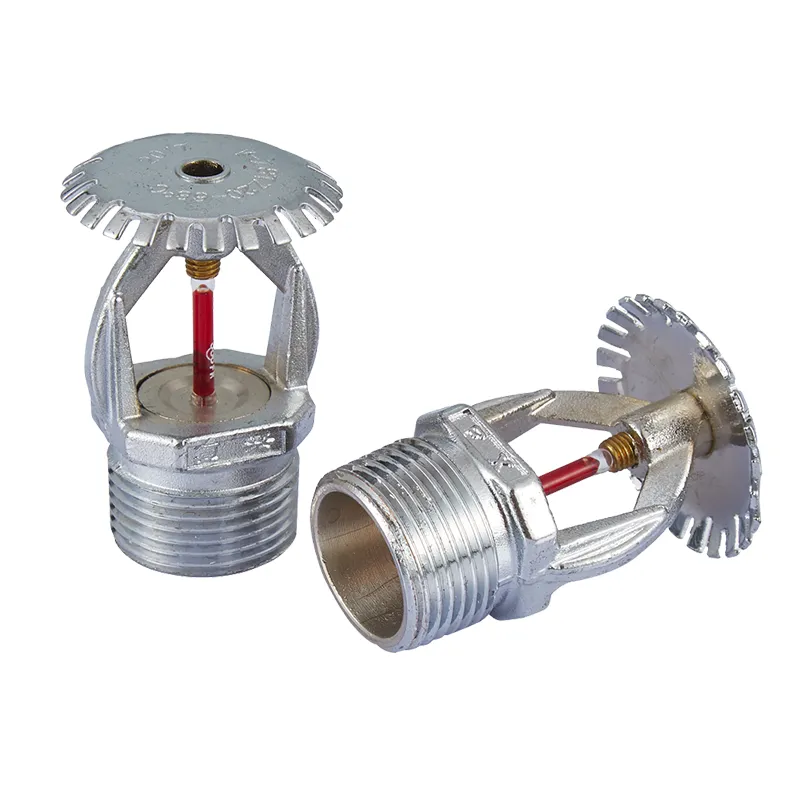
 Why Upright Sprinklers Remain Important in Reliable Fire Protection Systems
Automatic sprinkler systems are designed around a simple principle: detect a developing fire through heat and discharge water at the protected area as early as possible. While the sprinkler head is a relatively small component, its installation orientation, thermal response, discharge characteristics, connection size, and certification can directly affect how the overall fire protection system performs.