Why Is an Alarm Valve Essential for Modern Fire Protection Systems?
Fire protection systems are designed to save lives, reduce property damage, and ensure business continuity during emergencies. Among all the components used in sprinkler systems, the Alarm Valve plays one of the most critical roles. It not only controls water flow but also activates alarm mechanisms whenever a sprinkler operates during a fire event. Without a properly functioning alarm valve, even an advanced fire suppression system may fail to provide timely warnings and effective water delivery.
Industries, warehouses, shopping malls, hotels, hospitals, and residential buildings rely heavily on dependable alarm valves to maintain fire safety standards. However, many facility owners and engineers still face challenges such as false alarms, pressure fluctuations, corrosion issues, maintenance complexity, and selecting the right valve type. Understanding how alarm valves work and how to choose the right model can significantly improve safety performance and reduce operational risks.
This article explores the working principle, applications, benefits, installation methods, maintenance strategies, and selection tips for alarm valves in modern fire protection systems.
Article Summary
This comprehensive guide explains everything you need to know about alarm valves, including their structure, working principle, installation process, maintenance requirements, common problems, and industry applications. It also discusses how to select the right alarm valve for different environments and why high-quality manufacturing matters for long-term reliability.
Table of Contents
- 1. What Is an Alarm Valve?
- 2. How Does an Alarm Valve Work?
- 3. What Are the Main Components of an Alarm Valve?
- 4. Which Types of Alarm Valves Are Commonly Used?
- 5. Why Are Alarm Valves Important in Fire Protection?
- 6. Where Are Alarm Valves Commonly Applied?
- 7. How Can You Choose the Right Alarm Valve?
- 8. What Should Be Considered During Installation?
- 9. How Should Alarm Valves Be Maintained?
- 10. What Are the Most Common Alarm Valve Problems?
- 11. Alarm Valve vs Other Fire Protection Valves
- 12. What Is the Future of Alarm Valve Technology?
- 13. FAQ
- 14. Conclusion
1. What Is an Alarm Valve?
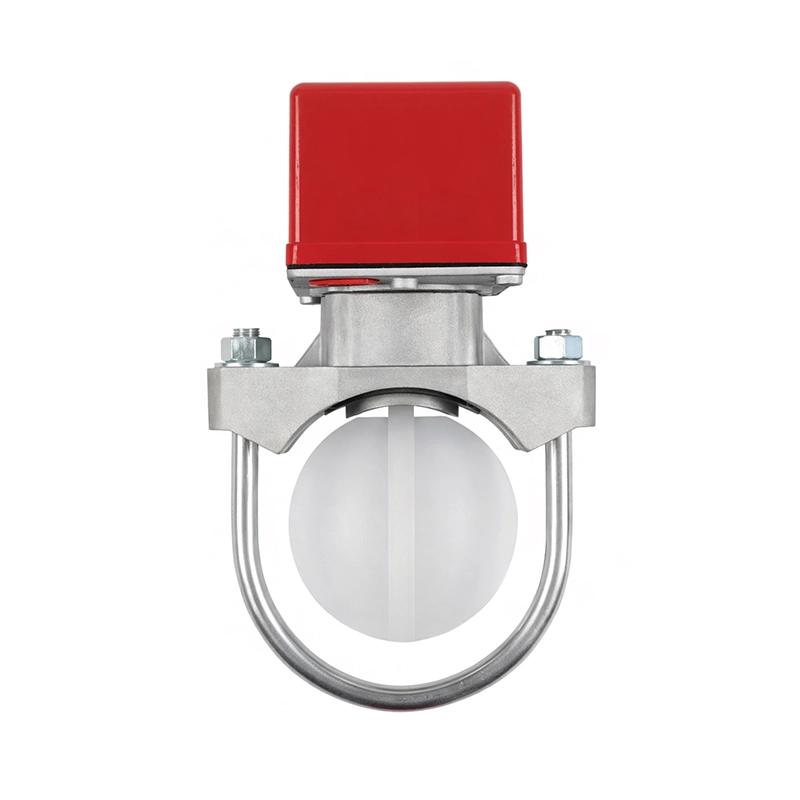
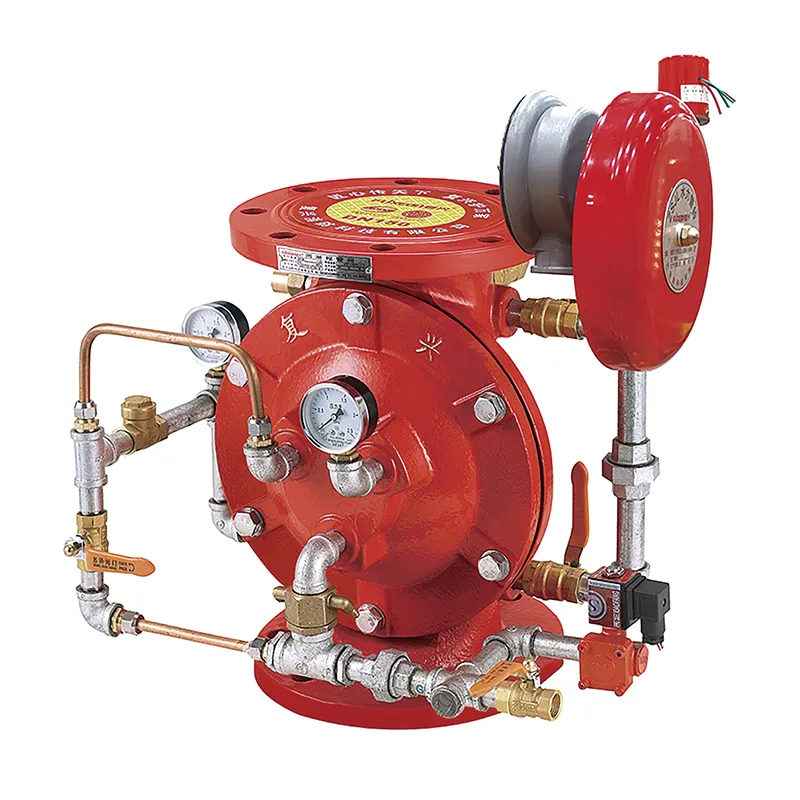
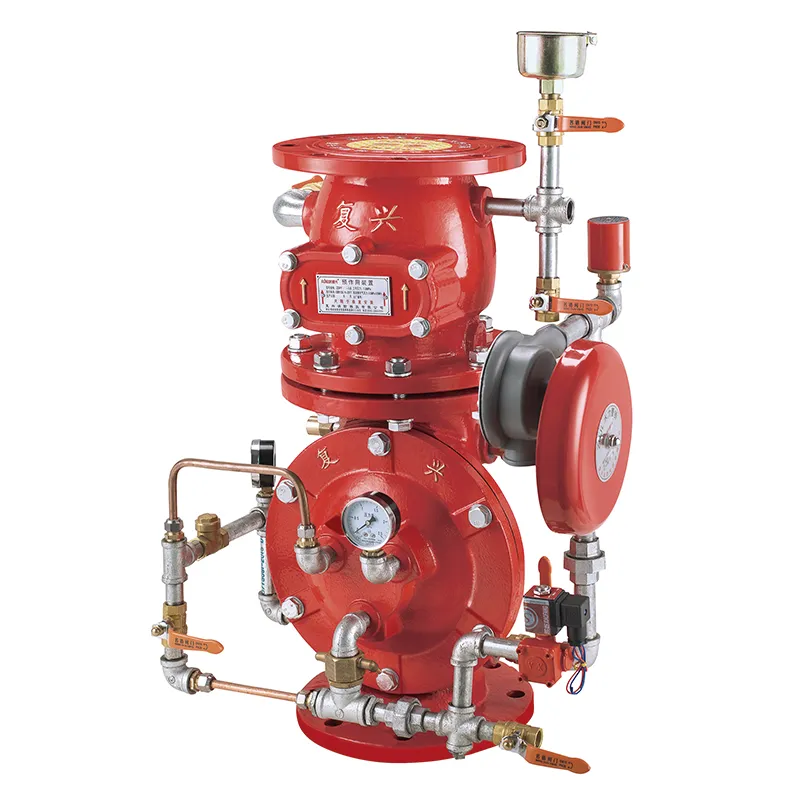
An alarm valve is a specialized check valve used in wet pipe fire sprinkler systems. Its primary purpose is to control water flow into sprinkler piping while simultaneously activating fire alarms when water movement is detected.
Under normal conditions, the valve prevents reverse water flow and maintains pressure stability. Once a sprinkler head opens due to heat exposure, water begins to flow through the system. The alarm valve detects this movement and triggers both hydraulic and electrical alarms to notify occupants and emergency personnel.
Alarm valves are widely used because they combine water control and alarm activation into a single reliable mechanism.
| Feature | Description |
|---|---|
| Main Function | Controls water flow and activates fire alarms |
| Typical System | Wet pipe sprinkler systems |
| Common Materials | Ductile iron, stainless steel, bronze |
| Operating Method | Automatic pressure-activated operation |
| Installation Location | Fire pump rooms and sprinkler risers |
2. How Does an Alarm Valve Work?
The operating principle of an alarm valve is based on pressure differences and water movement detection.
During normal operation, water pressure below the clapper keeps the valve closed. The sprinkler piping above the valve remains pressurized but static.
When a fire occurs:
- A sprinkler head activates due to heat.
- Water begins flowing through the sprinkler pipe.
- The pressure imbalance opens the alarm valve clapper.
- Water flows into the system and extinguishes the fire.
- The alarm port activates hydraulic or electrical alarms.
- Building occupants and fire monitoring systems receive alerts.
This process occurs automatically without manual intervention, making alarm valves highly dependable during emergencies.
Key Advantage: Alarm valves provide simultaneous fire suppression and emergency notification, improving response speed and reducing damage.
3. What Are the Main Components of an Alarm Valve?
An alarm valve assembly consists of multiple components that work together to ensure reliable performance.
| Component | Function |
|---|---|
| Valve Body | Main housing for water flow control |
| Clapper | Prevents reverse water flow |
| Seat Ring | Provides sealing surface |
| Alarm Port | Activates alarms during water flow |
| Retard Chamber | Reduces false alarms caused by pressure surges |
| Pressure Gauges | Monitor water pressure conditions |
| Trim Piping | Connects alarm devices and drains |
High-quality materials and precision manufacturing are essential because alarm valves must operate reliably even after years of inactivity.
4. Which Types of Alarm Valves Are Commonly Used?
Different fire protection systems require different alarm valve configurations.
Wet Alarm Valve
This is the most common type and is designed for wet pipe sprinkler systems where water is continuously present in the piping.
Dry Alarm Valve
Dry systems are used in cold environments where pipes could freeze. Air pressure keeps the valve closed until sprinkler activation occurs.
Deluge Alarm Valve
Deluge systems are used in high-hazard environments such as chemical plants and aircraft hangars. All sprinklers activate simultaneously when the valve opens.
Pre-Action Alarm Valve
Pre-action systems combine detection technology with sprinkler activation and are commonly installed in data centers and museums.
| Valve Type | Best Application | Main Benefit |
|---|---|---|
| Wet Alarm Valve | Commercial buildings | Fast response |
| Dry Alarm Valve | Cold storage facilities | Freeze protection |
| Deluge Alarm Valve | High-risk industrial areas | Maximum suppression |
| Pre-Action Valve | Data centers | Reduced accidental discharge |
5. Why Are Alarm Valves Important in Fire Protection?
Alarm valves serve as the heart of many fire sprinkler systems. Their importance goes far beyond simple water control.
- Provide immediate fire alarm activation
- Enable rapid sprinkler response
- Reduce fire spread and property damage
- Support compliance with safety regulations
- Enhance occupant evacuation efficiency
- Improve insurance safety ratings
Without reliable alarm valves, sprinkler systems may fail to alert occupants quickly enough during emergencies.
Important: Delayed alarm activation can significantly increase fire damage and safety risks in commercial and industrial facilities.
6. Where Are Alarm Valves Commonly Applied?
Alarm valves are used in a wide variety of industries and building environments.
| Industry | Application |
|---|---|
| Commercial Buildings | Shopping malls, offices, hotels |
| Industrial Facilities | Factories, warehouses, chemical plants |
| Residential Buildings | Apartment complexes and high-rise buildings |
| Healthcare | Hospitals and medical centers |
| Education | Schools and universities |
| Transportation | Airports and subway systems |
Each environment has unique fire protection requirements, making valve selection extremely important.
7. How Can You Choose the Right Alarm Valve?
Selecting the correct alarm valve requires evaluating multiple technical and environmental factors.
System Type
Determine whether the sprinkler system is wet, dry, deluge, or pre-action.
Pressure Rating
Choose a valve capable of handling the system’s maximum operating pressure.
Pipe Size Compatibility
Ensure the valve size matches the piping network requirements.
Material Selection
Corrosive environments may require stainless steel or specially coated materials.
Certification Standards
Look for internationally recognized certifications to ensure quality and safety compliance.
| Selection Factor | Why It Matters |
|---|---|
| Flow Capacity | Ensures sufficient water supply |
| Environmental Conditions | Prevents corrosion and freezing |
| Maintenance Accessibility | Improves inspection efficiency |
| Alarm Integration | Supports monitoring systems |
| Durability | Extends service life |
8. What Should Be Considered During Installation?
Proper installation is essential for reliable operation and long-term performance.
- Install the valve vertically unless specified otherwise
- Ensure adequate drainage around the system
- Verify pressure gauge accuracy
- Use correct trim piping connections
- Perform hydrostatic testing after installation
- Maintain clear access for maintenance personnel
Incorrect installation may result in leakage, delayed activation, or false alarms.
Professional Tip: Always follow manufacturer installation guidelines and local fire safety regulations during system commissioning.
9. How Should Alarm Valves Be Maintained?
Routine maintenance helps ensure alarm valves remain operational during emergencies.
Visual Inspection
Inspect the valve body, gauges, trim piping, and alarm devices regularly for leaks or damage.
Functional Testing
Periodic testing verifies alarm activation and water flow performance.
Internal Cleaning
Sediment buildup inside the valve can affect operation and should be removed when necessary.
Seal Replacement
Worn seals and gaskets should be replaced promptly to prevent leakage.
| Maintenance Task | Recommended Frequency |
|---|---|
| Visual Inspection | Weekly |
| Alarm Testing | Monthly |
| Valve Internal Inspection | Annually |
| Pressure Verification | Quarterly |
| Component Replacement | As required |
Consistent maintenance minimizes unexpected failures and extends equipment lifespan.
10. What Are the Most Common Alarm Valve Problems?
Even high-quality alarm valves may experience operational issues if maintenance is neglected.
| Problem | Possible Cause | Solution |
|---|---|---|
| False Alarm | Pressure fluctuation | Check retard chamber |
| Leakage | Damaged seal | Replace gasket or seat |
| No Alarm Activation | Blocked alarm line | Clean alarm piping |
| Corrosion | Moisture exposure | Use corrosion-resistant materials |
| Slow Valve Response | Sediment buildup | Perform internal cleaning |
Identifying issues early can prevent serious fire protection failures.
11. Alarm Valve vs Other Fire Protection Valves
Many people confuse alarm valves with other fire protection valves. However, each valve serves a distinct purpose.
| Valve Type | Main Function | Alarm Capability |
|---|---|---|
| Alarm Valve | Controls water and triggers alarms | Yes |
| Gate Valve | Manual isolation | No |
| Check Valve | Prevents reverse flow | No |
| Butterfly Valve | Flow isolation and regulation | Limited |
| Pressure Relief Valve | Releases excess pressure | No |
Alarm valves are unique because they integrate water control with emergency notification functions.
12. What Is the Future of Alarm Valve Technology?
Modern fire protection systems are evolving rapidly with smart monitoring and automation technologies.
Future alarm valves are expected to include:
- IoT-enabled remote monitoring
- Smart pressure sensors
- Predictive maintenance capabilities
- Improved corrosion-resistant materials
- Enhanced leak detection technology
- Integration with building management systems
These advancements will improve reliability, reduce maintenance costs, and enhance emergency response efficiency.
Manufacturers such as Fuxeon Fire-Fighting Technology Co.,Ltd. continue to focus on innovation, quality control, and durable fire protection solutions to meet the growing demands of global industries.
13. FAQ
What is the primary purpose of an alarm valve?
The main purpose of an alarm valve is to control sprinkler water flow while activating alarm devices during fire emergencies.
Can alarm valves reduce false alarms?
Yes. Many alarm valve systems include retard chambers that help minimize false alarms caused by pressure surges.
How long does an alarm valve typically last?
With proper maintenance, high-quality alarm valves can operate effectively for decades.
Are alarm valves required in all sprinkler systems?
Most wet pipe sprinkler systems require alarm valves to ensure proper fire detection and notification.
What materials are commonly used in alarm valve manufacturing?
Ductile iron, stainless steel, bronze, and corrosion-resistant coatings are commonly used for durability and long service life.
How often should alarm valves be tested?
Testing schedules depend on local regulations, but monthly and annual inspections are commonly recommended.
14. Conclusion
Alarm valves are among the most important components in modern fire protection systems. They provide rapid fire detection, reliable sprinkler activation, and immediate emergency notification. From commercial buildings to industrial facilities, selecting the right alarm valve can significantly improve safety performance and reduce fire-related risks.
Understanding the working principles, installation methods, maintenance requirements, and technological advancements associated with alarm valves helps building owners and engineers make informed decisions for long-term protection.
If you are looking for durable, efficient, and professionally manufactured fire protection products, Fuxeon Fire-Fighting Technology Co.,Ltd. offers dependable solutions designed for demanding applications worldwide.
Contact Fuxeon Fire-Fighting Technology Co.,Ltd. today to get professional support, customized recommendations, and competitive product solutions for global markets.
Related News
- Selection of dry powder fire extinguishers
- The function of a fire hose nozzle
- Applications of alarm valves
- How to Maintain Silent Check Valve for Reliable Fire Protection and Water System Performance
- Why Upright Sprinklers Remain Important in Reliable Fire Protection Systems
- The New Standard GB15090-2026 for "Fire Hose Reel"
Leave me a message