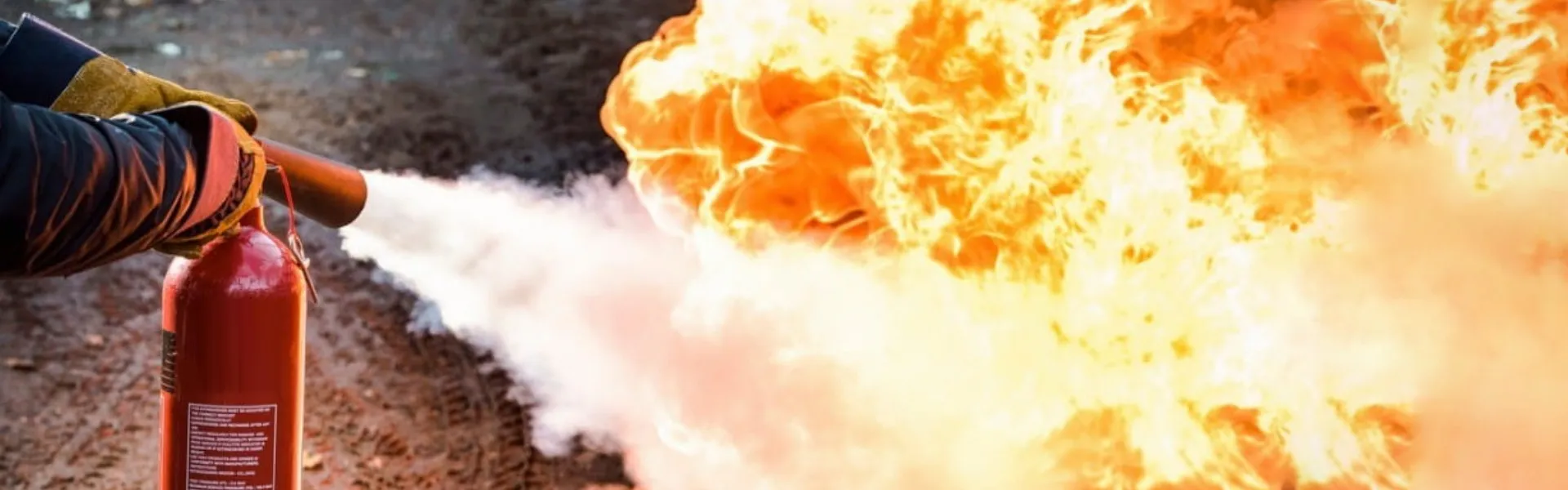
Fire nozzles, as a critical terminal device in fire protection systems, achieve four core functions—fire extinguishing, cooling, protection, and emergency response—through precise control of water flow patterns and spray performance. They are essential tools for fire fighting and safety protection in industrial plants, commercial buildings, power facilities, and other scenarios. The following is a structured analysis of their functions:
Core Function: Fire Extinguishing (Core Function)
1. Direct Fire Extinguishing: Disrupting Combustion Conditions
Principle: By spraying water, the burning material is cooled (reducing the temperature below the ignition point), and oxygen is isolated (water mist/water flow covers the fire source), terminating the combustion chain reaction.
Scenario Adaptation:
Solid fires (wood, paper, stacked goods): Use a direct stream spray, concentrating the water flow to impact the base of the fire source, quickly suppressing the fire.
Liquid fires (oil, solvent leaks): Use a spray nozzle to form a water mist covering the liquid surface, suffocating the fire (requires the use of foam agents to enhance effectiveness).
Electrical fires (equipment short circuits, power rooms): Use an insulated water gun (10kV/35kV rating), spraying atomized water flow to avoid electric shock risks and cool electrical equipment.
Industrial Scene Focus: Applicable to B2B high-frequency scenarios such as workshop equipment fires, warehouse goods fires, and power facility fires, it is a core tool for initial fire fighting.
2. Auxiliary Fire Extinguishing: Cooperating with Other Fire Protection Systems
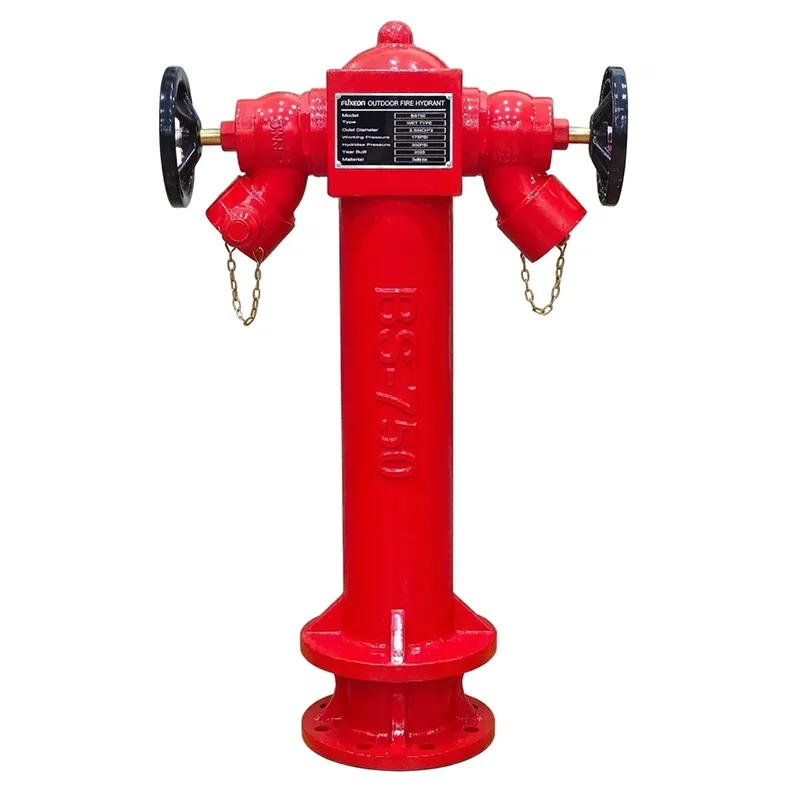
Linkage with fire hydrants and fire pumps: High-pressure water flow enhances fire extinguishing power, covering long distances and large areas of fire sources (such as large factories and open storage yards).
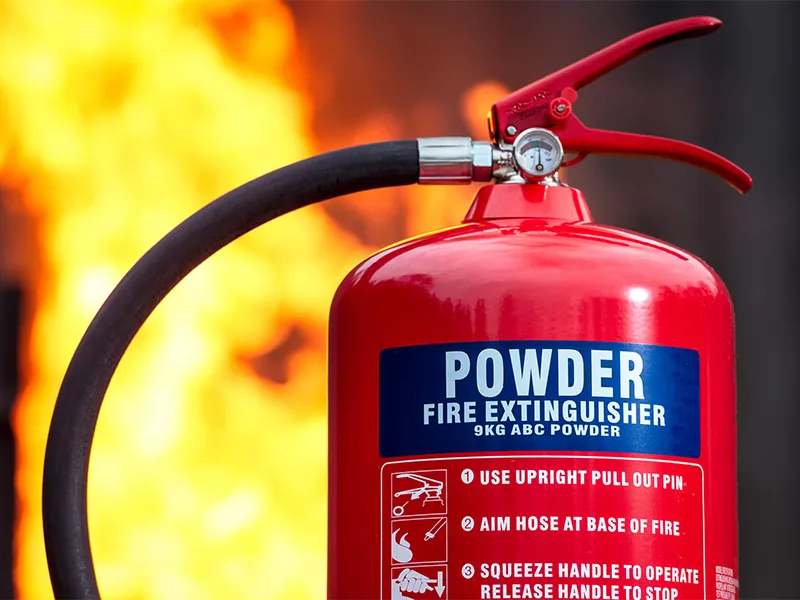
Cooperation with foam/dry powder systems: The water gun acts as a carrier, accurately delivering foam liquid and dry powder to the fire source, improving the efficiency of extinguishing special fires (oil and chemical fires).
We use cookies to offer you a better browsing experience, analyze site traffic and personalize content. By using this site, you agree to our use of cookies. Privacy Policy