Why Upright Sprinklers Remain Important in Reliable Fire Protection Systems
Automatic sprinkler systems are designed around a simple principle: detect a developing fire through heat and discharge water at the protected area as early as possible. While the sprinkler head is a relatively small component, its installation orientation, thermal response, discharge characteristics, connection size, and certification can directly affect how the overall fire protection system performs.
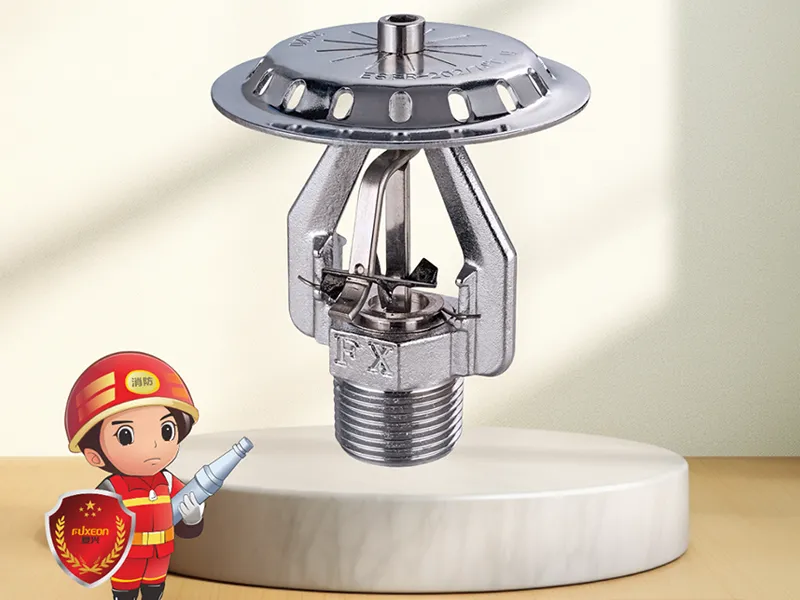
Among the different sprinkler configurations available for commercial, industrial, and storage facilities, upright sprinklers remain an important choice where the piping arrangement, ceiling structure, and installation environment require the sprinkler to be positioned above the pipe with the deflector facing upward. NFPA 13 defines an upright sprinkler according to this upward discharge arrangement and provides specific requirements for the selection, positioning, and spacing of standard upright spray sprinklers.
For contractors, fire protection distributors, system designers, and building-equipment buyers, selecting an upright sprinkler should therefore involve more than checking the connection thread and price. Response characteristics, K-factor, temperature rating, material, finish, approval requirements, installation conditions, and compatibility with the complete sprinkler system all deserve attention.
What Makes an Upright Sprinkler Different?
Designed for Upward Installation
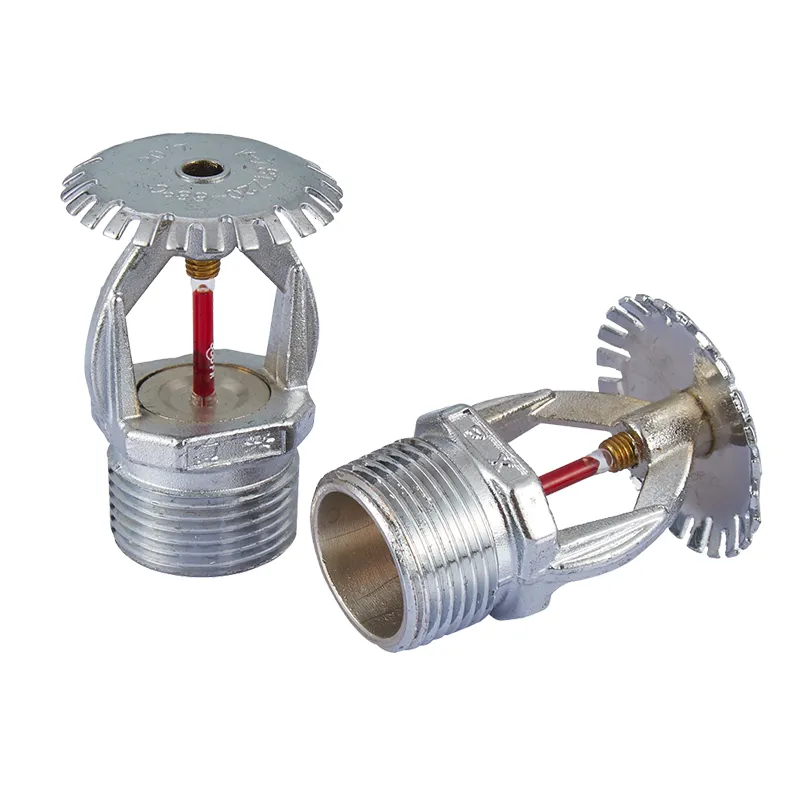
An upright sprinkler is designed to be installed so that water is discharged upward against the deflector before being distributed across the protected area. This configuration is different from pendent sprinklers, which are installed below the piping with the deflector positioned underneath.
The installation orientation affects the way the sprinkler interacts with the surrounding ceiling, roof structure, pipework, and other building components. Consequently, the sprinkler type should be selected as part of the overall hydraulic and layout design rather than treated as an interchangeable component.
Installation Conditions Influence Sprinkler Selection
Upright sprinklers can be particularly useful in areas where exposed piping is preferred or where the building configuration makes an upward-oriented sprinkler practical. Industrial facilities, warehouses, utility areas, parking structures, and other exposed-pipe environments may require this type of configuration depending on the system design.
NFPA 13 includes separate installation requirements for standard pendent, upright, and sidewall spray sprinklers, including rules concerning positioning, spacing, protection area, and obstructions.
Core Parameters Buyers Should Evaluate
| Parameter | Typical Selection Consideration | Why It Matters |
|---|---|---|
| Sprinkler Type | Upright spray sprinkler | Determines installation orientation and discharge arrangement |
| Nominal Connection | Commonly 1/2 in or 3/4 in depending on model | Must match the branch piping and system design |
| K-Factor | Selected according to hydraulic design | Influences water discharge at a given pressure |
| Temperature Rating | Selected according to ambient conditions | Determines the nominal operating temperature of the thermal element |
| Response Type | Standard response or quick response | Affects thermal activation characteristics and application suitability |
| Bulb / Thermal Element | Glass bulb or approved thermal element | Controls sprinkler activation when the specified temperature is reached |
| Body Material | Brass or specified corrosion-resistant material | Influences durability and environmental suitability |
| Surface Finish | Natural, chrome-plated or application-specific finish | Provides corrosion and appearance considerations |
| Operating Pressure | According to product listing and system design | Must satisfy the required hydraulic conditions |
| Certification | UL, FM or other applicable approval | Supports project specification and regulatory requirements |
| Installation Position | Upright orientation | Ensures the sprinkler operates according to its listed design |
The exact parameters should always be taken from the selected sprinkler model's technical documentation and approval listing. For commercial fire protection projects, buyers should avoid assuming that two sprinklers with similar appearance have identical hydraulic or thermal characteristics.
Why K-Factor Is Important in Sprinkler Selection
Flow and Pressure Are Connected
The K-factor is an important hydraulic parameter because sprinkler discharge is related to the K-factor and operating pressure. A higher K-factor can allow greater water flow at a given pressure, but this does not mean that a higher K-factor sprinkler is automatically better for every application.
The sprinkler's K-factor must be selected according to the hydraulic calculation, hazard classification, required design density, available water supply, and other system parameters.
System Design Comes Before Product Selection
For this reason, project engineers should first determine the required water-discharge characteristics and then select a sprinkler with a compatible K-factor and listing. This approach helps prevent situations where a sprinkler is physically compatible with the piping but hydraulically unsuitable for the project.
Thermal Response Determines When the Sprinkler Activates
Heat-Sensitive Elements
Unlike manually operated fire equipment, an automatic sprinkler is designed to respond when its heat-sensitive element reaches its specified operating temperature. The thermal element may use a glass bulb or another listed mechanism, depending on the sprinkler design.
FUXEON® states that its fire sprinkler products use thermal-sensitive glass bulbs and are designed to activate automatically when the preset temperature is reached. The company also identifies German JOB glass bulbs among the components used in its sprinkler range.
Temperature Rating Should Match the Environment
The temperature rating should be selected according to the ambient conditions around the sprinkler. If a sprinkler is installed near heat-producing equipment, heaters, lighting fixtures, or other elevated-temperature sources, the designer needs to account for these conditions when selecting the appropriate temperature rating.
Choosing a temperature rating simply because it is commonly used may create an unsuitable installation. The correct rating should be based on the actual environment and the applicable fire protection standard.
Why Obstruction Control Matters for Upright Sprinklers
Water Distribution Requires Adequate Clearance
A sprinkler cannot provide its intended distribution pattern if beams, pipes, ducts, structural members, storage racks, or other obstacles significantly interfere with the discharge.
NFPA 13 contains specific requirements for positioning standard upright and pendent spray sprinklers in relation to obstructions. The applicable distance depends on the dimensions and location of the obstruction and the sprinkler arrangement.
Warehouse Layouts Require Particular Attention
Storage facilities can present more complex obstruction conditions because racks, stored commodities, roof structures, lighting systems, and mechanical services can all affect sprinkler placement.
For such applications, the sprinkler layout should be developed together with the storage arrangement and hazard classification. The sprinkler itself cannot compensate for an unsuitable system layout.
Applications Where Upright Sprinklers Can Be Considered
Warehouses and Storage Facilities
Warehouses frequently use exposed fire sprinkler piping, making upright configurations a practical option in appropriate system designs. However, sprinkler selection must take account of storage height, commodity classification, rack arrangement, ceiling construction, and hydraulic requirements.
Industrial Buildings
Manufacturing plants and industrial buildings can contain large open areas, exposed pipework, machinery, combustible materials, and varying ceiling configurations. Upright sprinklers can be incorporated into suitable automatic sprinkler systems where their listed application and installation requirements are met.
Commercial and Utility Areas
Commercial buildings, mechanical rooms, service areas, parking facilities, and other locations with exposed piping may also use upright sprinkler configurations depending on the applicable fire protection design.
The final application should always be determined by the fire protection engineer and applicable local requirements rather than by sprinkler orientation alone.
Material and Surface Finish Affect Long-Term Reliability
Brass Construction
Brass is commonly used for sprinkler bodies because it provides a combination of mechanical strength, machinability, and corrosion resistance suitable for many indoor fire protection environments.
FUXEON® describes its fire sprinkler range as being manufactured from brass and states that chrome-plated finishes are available for corrosion resistance and long service life.
Environmental Conditions Should Be Considered
Sprinklers installed in humid, corrosive, dusty, or chemically aggressive environments may require a suitable finish or specialized sprinkler construction. Buyers should therefore provide the supplier with information about the installation environment before choosing the final configuration.
A standard sprinkler designed for a normal indoor environment should not automatically be assumed suitable for every industrial or outdoor application.
Certification Is a Key Procurement Consideration
Why Approvals Matter
Fire protection components are safety-critical products. Many commercial projects require sprinklers to carry specific approvals or certifications before they can be accepted by the project owner, consultant, insurer, or authority having jurisdiction.
FUXEON® identifies UL and FM among the certifications available across its fire sprinkler product range, alongside other company and product certifications including CCCF, ISO 9001, CE, EAC, and LPCB. The exact approval should be verified for the specific sprinkler model being purchased.
Do Not Treat Certifications as Interchangeable
For international procurement, it is important to confirm the exact model number, approval scope, nominal K-factor, temperature rating, orientation, and applicable listing. A certification held by one sprinkler model does not necessarily mean every model in the manufacturer's product range carries the same approval.
What Buyers Should Confirm Before Placing an Order
Provide the Complete Application Information
When requesting a quotation, professional buyers should provide the intended application, building type, hazard classification where available, pipe connection requirements, K-factor requirement, temperature rating, required certification, quantity, and destination market.
This information allows the supplier to recommend a model based on actual project requirements rather than simply matching a generic product name.
Confirm Technical Documents Before Shipment
For large projects, buyers should request the relevant datasheet, installation instructions, approval information, dimensional drawings, and product identification before finalizing procurement.
Documentation is particularly important when the sprinkler is being submitted to a consultant, fire authority, insurer, or project approval process.
Protect Sprinklers During Storage and Installation
Sprinkler heads should be protected from mechanical damage during transportation, storage, and installation. The heat-sensitive element is a critical component, so improper handling can potentially affect the sprinkler's performance.
Installation should follow the manufacturer's instructions and the applicable fire protection standard. NFPA 13 specifically requires standard upright and pendent sprinklers to be selected, positioned, and spaced according to the applicable installation requirements.
FUXEON®'s Approach to Fire Sprinkler Manufacturing
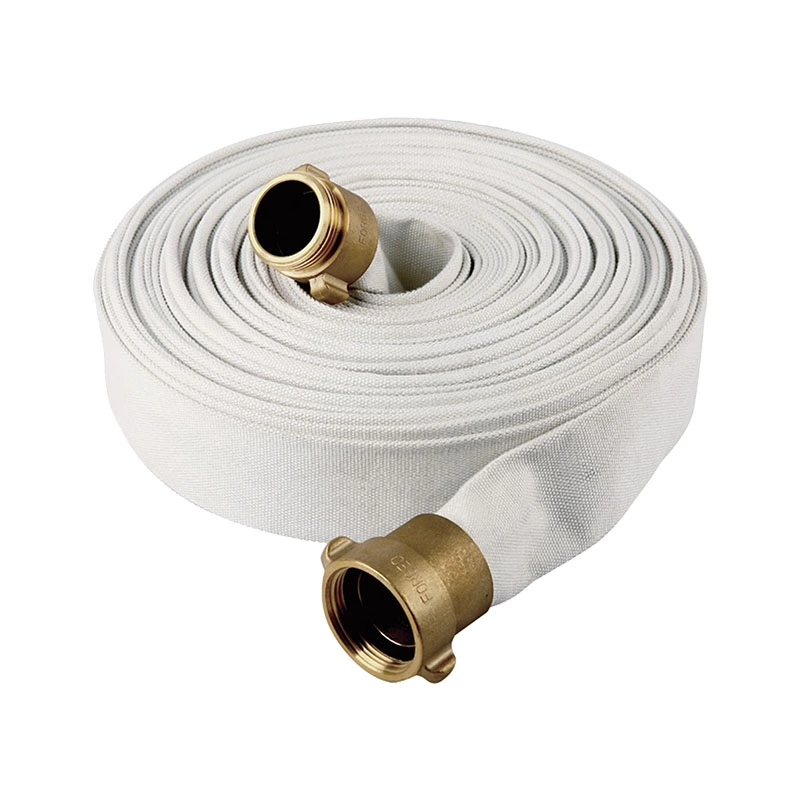
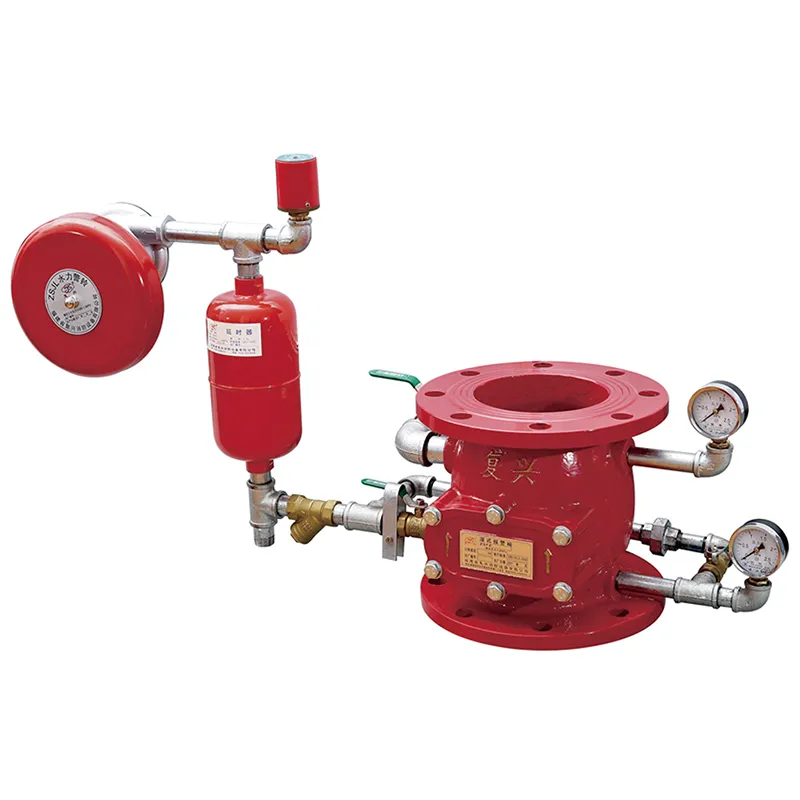
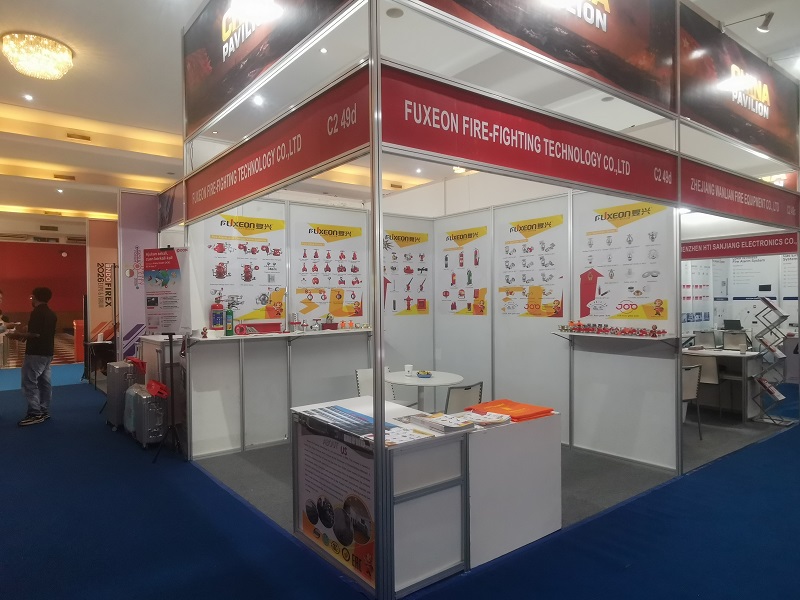
FUXEON® is a fire protection equipment manufacturer based in Nan'an, Fujian, China. The company states that it operates production bases covering more than 20,000 square meters and manufactures fire protection products including alarm valves, fire sprinklers, fire hydrants, fire hoses, and hose reels.
Its sprinkler product range includes upright, pendent, side-wall, and concealed configurations, with different flow-rate options intended for different installation requirements. FUXEON® also states that finished sprinkler products undergo pressure testing before leaving the factory.
For international distributors and fire protection contractors, this broader product portfolio can be useful because sprinkler systems often require multiple component types within the same project. However, each sprinkler model still needs to be evaluated against the specific project design and approval requirements.
Reliable Fire Protection Starts With Correct System Matching
An upright sprinkler is a small component, but its performance is closely connected to hydraulic design, installation orientation, thermal response, spacing, obstruction control, and certification. Choosing a sprinkler based solely on dimensions or purchase price can create unnecessary risks during system approval and installation.
For professional buyers, a better procurement approach is to begin with the protection requirement and then match the sprinkler's K-factor, temperature rating, response type, connection, material, finish, and certification to the system.
With a range of sprinkler configurations, international certifications, brass construction options, and factory pressure testing, FUXEON® provides upright sprinkler solutions for contractors, distributors, and fire protection projects seeking reliable components for automatic sprinkler systems. The final model should always be selected and installed according to the applicable fire protection standard, approved design, and manufacturer's technical documentation.
Related News
- Selection of dry powder fire extinguishers
- The function of a fire hose nozzle
- Applications of alarm valves
- Russian National Standard GOST R 53279-2009, "Fire-fighting equipment—Fire coupling"
- How to Maintain Silent Check Valve for Reliable Fire Protection and Water System Performance
- The New Standard GB15090-2026 for "Fire Hose Reel"
Leave me a message