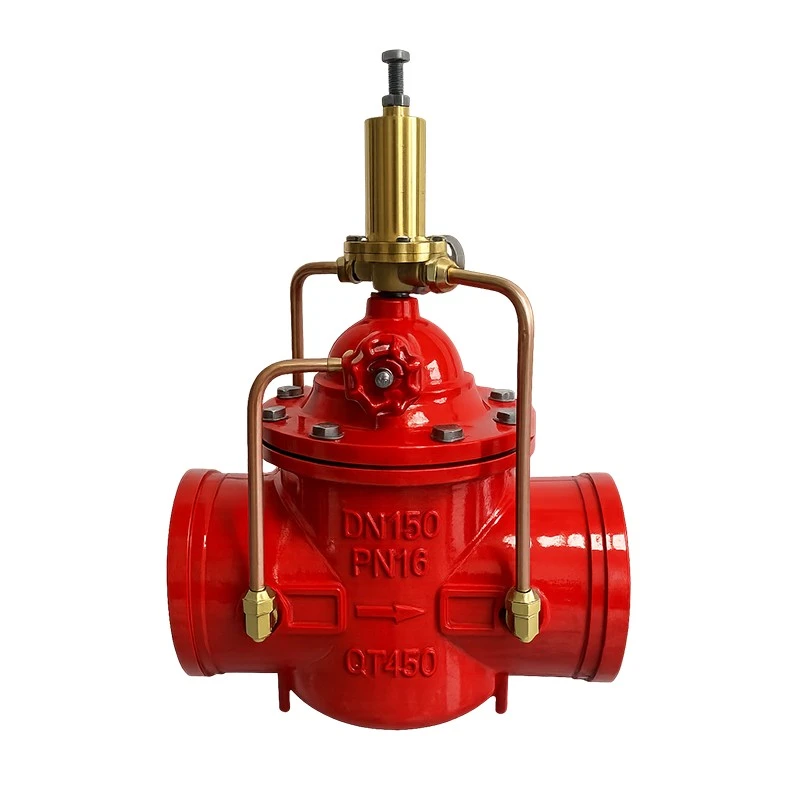
Holding Pressure Relief Valve
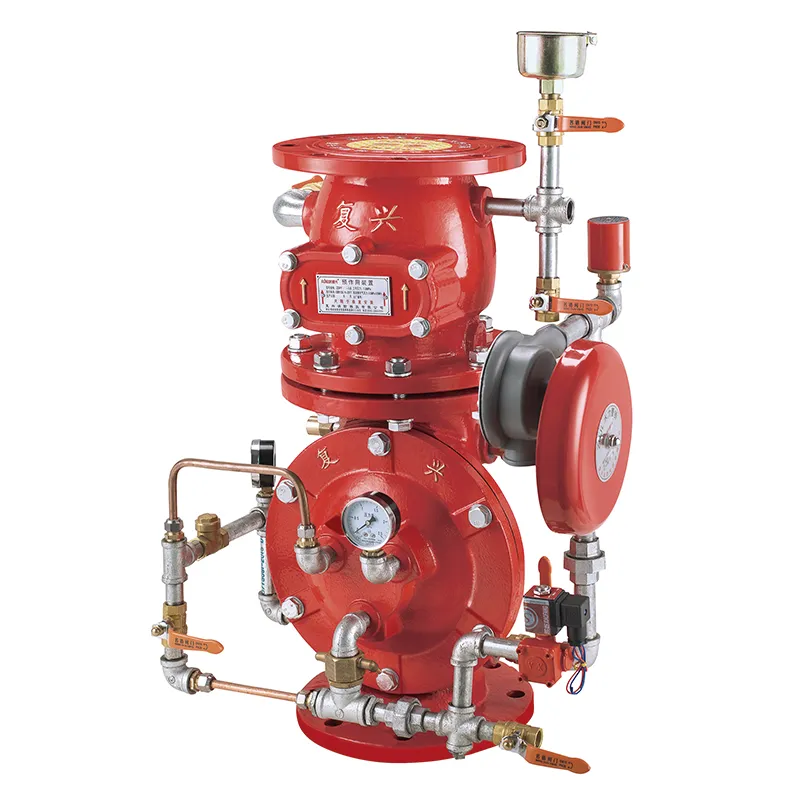
The holding pressure relief valve is a hydraulic control valve that integrates pressure relief and pressure holding functions. This valve is mainly used in high-rise buildings, fire-fighting water supply systems, and other water supply networks. It utilizes the principle of automatic hydraulic control to provide dual regulation of system pressure without requiring external energy.
FUXEON®'s holding pressure relief valve is characterized by its versatility and ease of maintenance. As a pressure relief valve, it senses changes in system pressure; if the pressure exceeds a set safety value, the valve automatically opens, quickly releasing excess media to reduce pressure and prevent pipelines and equipment from rupturing or being damaged due to overpressure. As a pressure sustaining valve, it maintains the upstream water supply pressure above a set value, ensuring water supply stability and meeting water demands under specific operating conditions. It is widely used in fire pump outlets, high-rise building water supply systems, and large-scale water supply projects, playing a crucial role in eliminating water hammer and protecting system safety.
Structural composition:
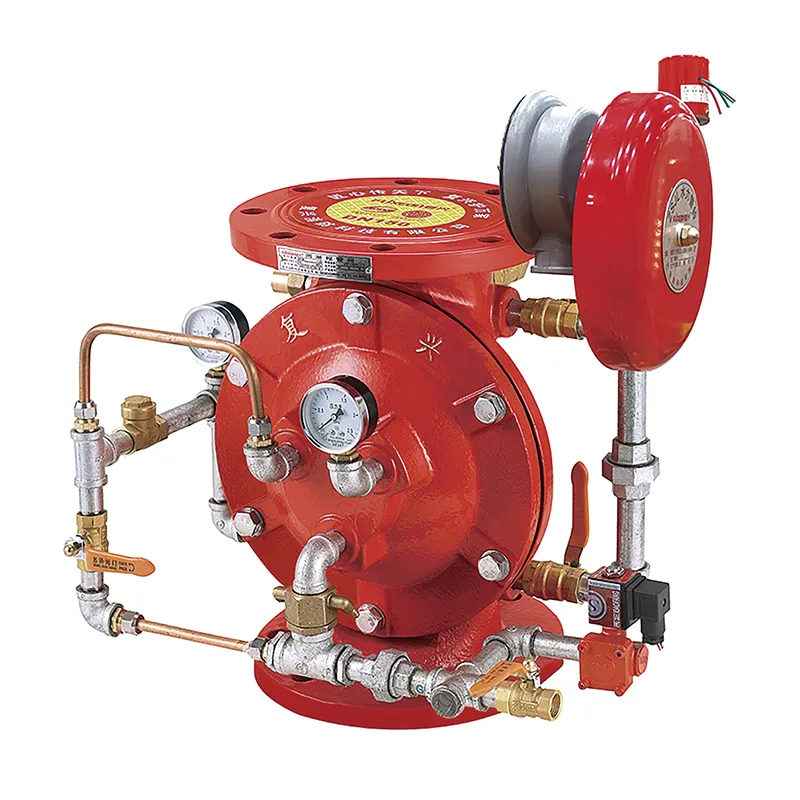
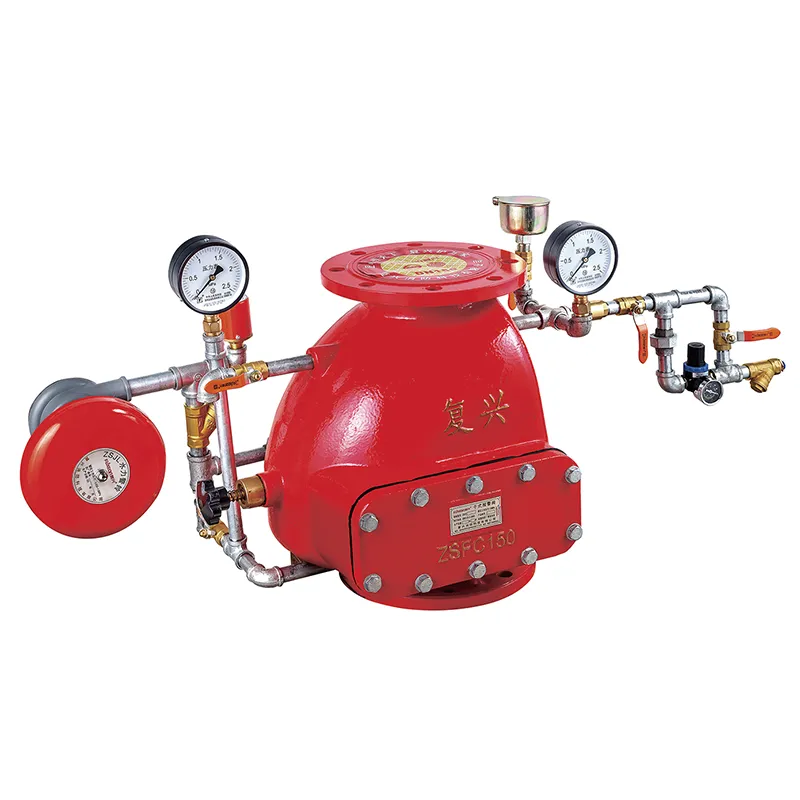
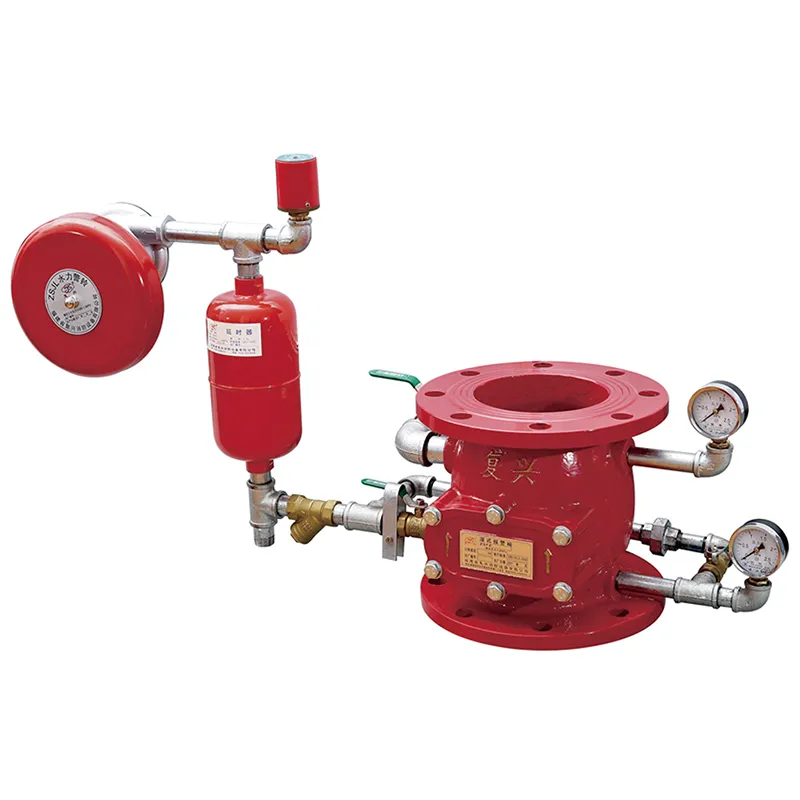
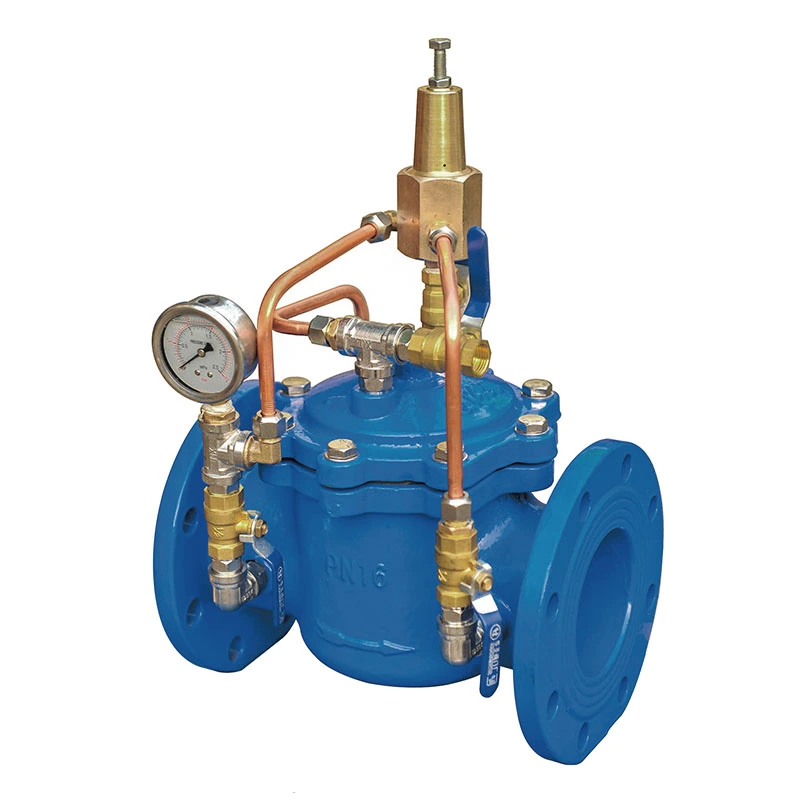
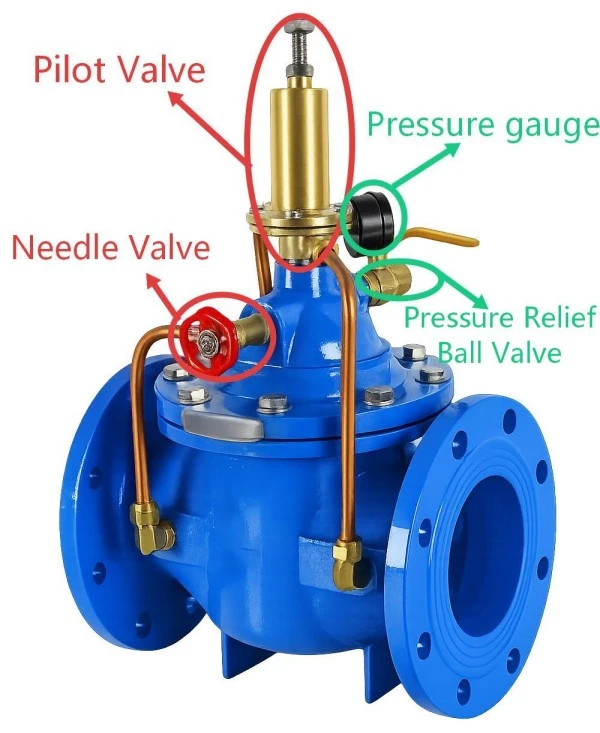
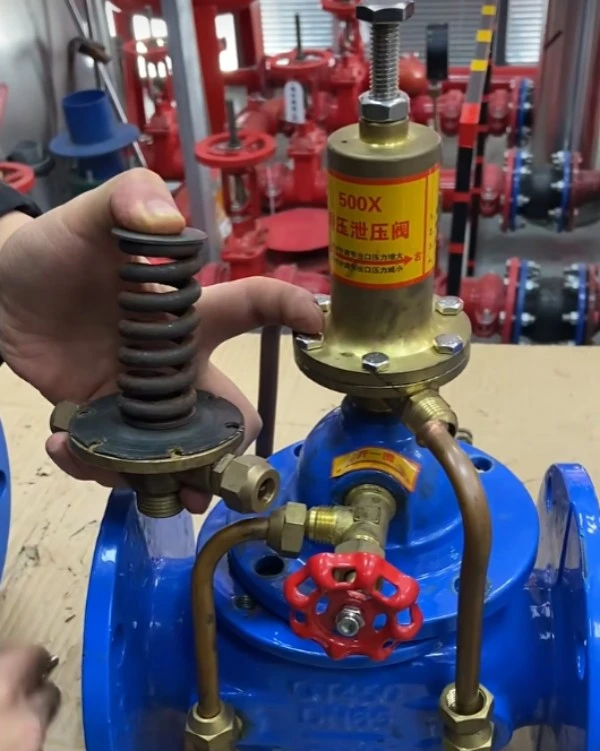
In the prv valve, the main valve is the main part of the valve, responsible for cutting off or conducting fluids. The main valve is equipped with a control chamber, which is the key area for controlling valve operation. The pilot valve is used to sense system pressure and control the main valve operation. It typically contains springs and elastic elements (such as diaphragms or pistons), and by adjusting the pre-tightening force of the spring, the action pressure threshold of the main valve can be set. The needle valve is installed in the control pipeline, used for fine-tuning the flow rate of the control pipeline, thereby adjusting the valve's opening and closing characteristics and closing speed. The ball valve is used to switch the valve's operating mode (pressure relief or pressure holding) and to cut off the control circuit during routine maintenance. Additionally, miniature filters are usually installed at the inlet of the control pipeline to prevent impurities in the pipeline from entering the control chamber, avoiding blockage of diaphragms or pistons, and ensuring the reliability of valve operation.
Working principle:
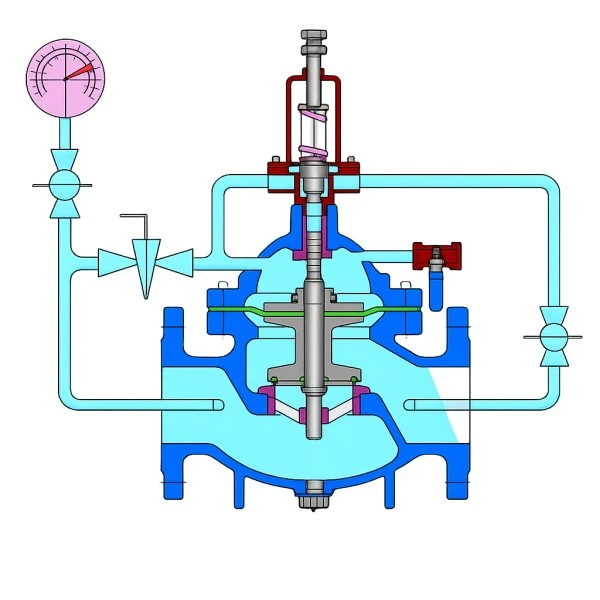
The pressure release valve first requires setting the main valve's opening pressure. Loosen the pilot valve's lock nut and rotate the pilot valve adjusting screw clockwise. This compresses the adjusting spring, applying a greater downward force to the pilot valve core, thus increasing the main valve's opening pressure. Rotating the adjusting screw counterclockwise reduces the spring pressure, decreasing the force on the pilot valve core and consequently lowering the main valve's opening pressure. Monitor the upstream pipeline pressure using a pressure gauge. Once the desired set value is reached, tighten the lock nut.
When the upstream pressure increases, the pressure in the lower chamber of the pilot valve diaphragm increases synchronously. When the pressure exceeds the set value, the diaphragm pushes the pilot valve core upward, opening the pilot valve and discharging water from the upper chamber of the main valve diaphragm. Due to the pressure difference between the upper and lower chambers of the main valve diaphragm, the main valve core opens and begins to drain water, reducing the pipeline pressure.
As the pipeline pressure decreases, the pressure in the lower chamber of the pilot valve diaphragm also decreases. When the pressure drops below the set value, the pilot valve core closes again under the action of the adjusting spring. At this time, the pressure in the upper chamber of the main valve diaphragm gradually recovers. Since the effective area of the main valve diaphragm is larger than the pressure-bearing area of the main valve core, the main valve core closes under the pressure difference between the upper and lower chambers of the diaphragm, stopping the water discharge and thus maintaining the pipeline pressure within the set range.
Technical parameters
|
Parameter |
Typical Range |
|
Nominal Pressure |
1.0Mpa, 1.6Mpa, 2.5Mpa |
|
Nominal Diameter |
DN40-DN300 |
|
Applicable Medium |
Water, Wastewater |
|
Operating Temperature |
0℃-80℃ |
|
Pressure Adjustment Range |
0.05Mpa-2.4Mpa |
|
Connection Type |
Flanged, Threaded |
Application areas
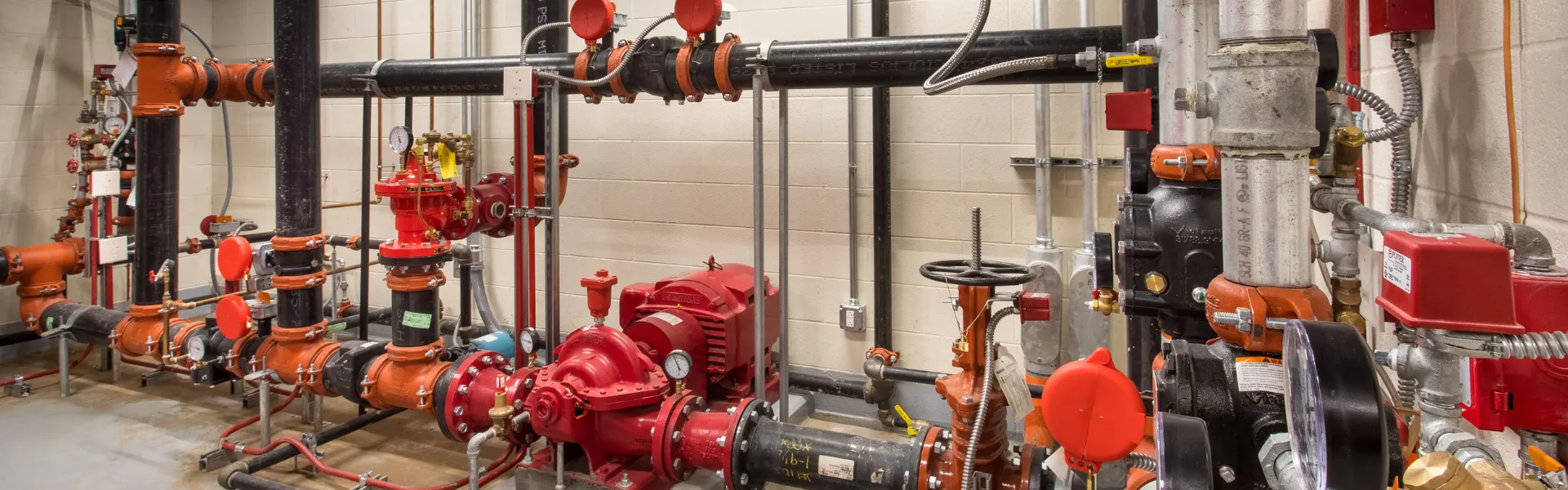
Due to their unique functional characteristics, pressure release valve are widely used in various water supply systems requiring pressure control. In fire protection systems, they are typically installed on the outlet pipe of fire pumps, primarily to prevent the pumps from overheating due to overpressure during low-flow operation, and to prevent damage to equipment from overpressure in the pipeline network. In high-rise building water supply systems, they are used to protect top-floor pipes and equipment from damage caused by fluctuations in water supply pressure. Furthermore, in urban water supply projects and industrial systems (such as petroleum and chemical industries), pressure-relief valves are also commonly used to eliminate water hammer effects and protect the safe operation of valves and pipelines.
Installation and maintenance
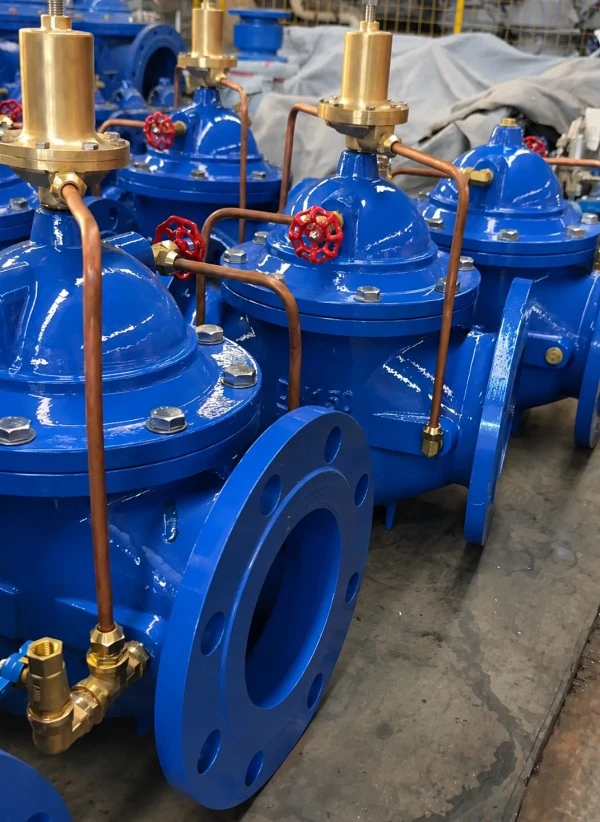
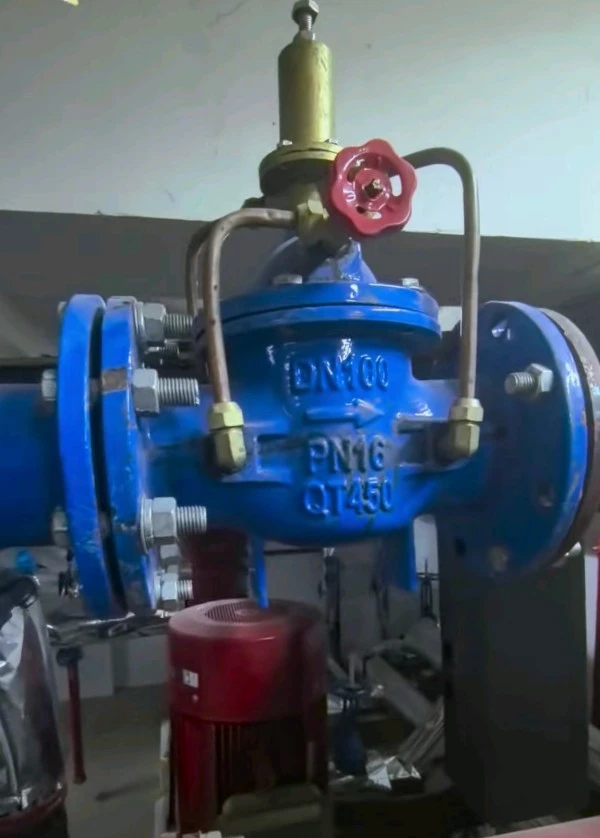
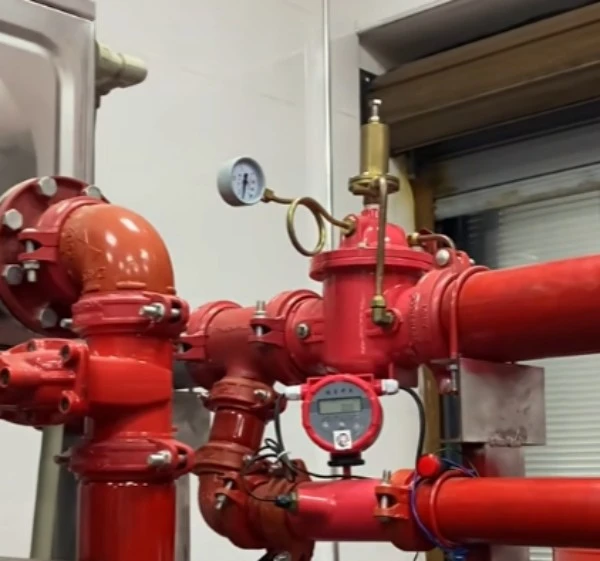
When installing the water prv valve, it is crucial to pay attention to the flow direction of the medium. Ensure that the water flow direction arrow on the valve body aligns with the flow direction of the medium in the pipeline. Regarding installation location, vertical installation with the valve cover facing upwards is generally recommended for easy daily observation, maintenance, and drainage. For valves with larger nominal diameters (such as DN200 and above), horizontal installation is typically advised. To protect the valve's internal precision components, a filter must be installed upstream of the valve to prevent impurities from entering the control chamber and causing valve jamming or damage. Furthermore, it is recommended to install a bypass pipe and valve on the main pipeline to allow for uninterrupted water supply during valve maintenance or repair.
Maintenance
The pressure setting of the water prv valve is usually achieved by adjusting the adjusting screw on the pilot valve. Turning it clockwise increases the operating pressure, and turning it counterclockwise decreases the operating pressure. During use, the filter should be checked regularly for blockage; it is recommended to clean the filter screen every 3 months to ensure the control circuit is unobstructed. The drainage should be checked every six months during operation. If valve leakage or abnormal operation is found, the seals or diaphragm should be repaired promptly. Additionally, the gate valves before and after the valve should be checked regularly to ensure they are in the open position, guaranteeing the valve functions properly.
Related Category
- Alarm Valve
- Fire Sprinkler
- Fire Hydrant
- Fire Pump
- Fire Nozzle
- Fire Hose Coupling
- Fire Hose
- Fire Hose Reel
- Fire Cabinet
- Foam Bladder Tank
- Foam Extinguishing Accessories
- Water Flow Indicator
- Gate Valve
- Butterfly Valve
- Pressure Relief Valve
- Ball Valve
- Check Valve
- Control Valve
- Fire Strainer
- Dry Powder Fire Extinguisher
- CO2 Fire Extinguisher
- Water Fire Extinguisher
- FM200 Fire Suppression
- Water Mist Fire Suppression System
- Automatic Tracking And Positioning Jet Fire Extinguishing Device
- Fixed Manual Fire Monitor
- Automatic Fire Monitor
- Lithium-Ion Battery Fire Suppression System
Send Inquiry
Contact Info
-
Address
Xikou Industrial Zone, Meilin Sub-district, Nan’an City, Fujian Province, China
-
Tel
-
Email
If you have any enquiry about quotation or cooperation, please feel free to email or use the following inquiry form. Our sales representative will contact you within 24 hours.
Related Products
News Recommendations