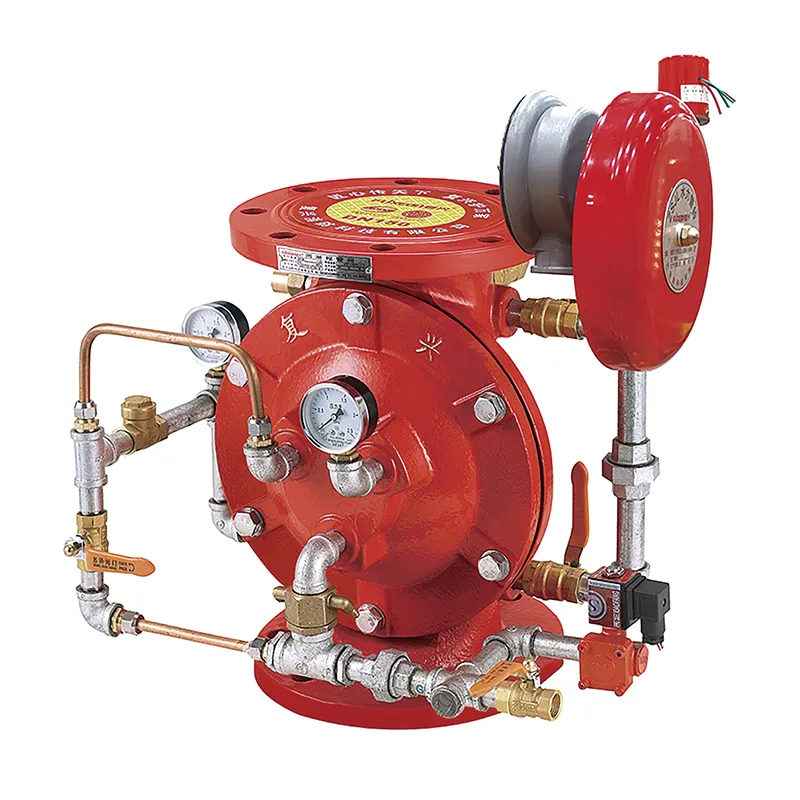
Ratio Pressure Reducing Valve
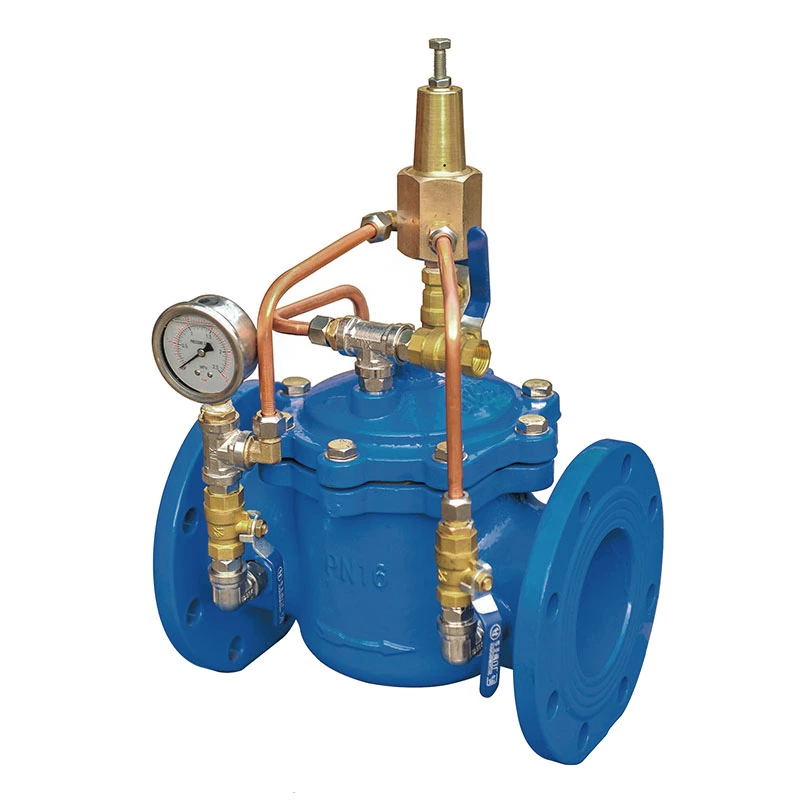
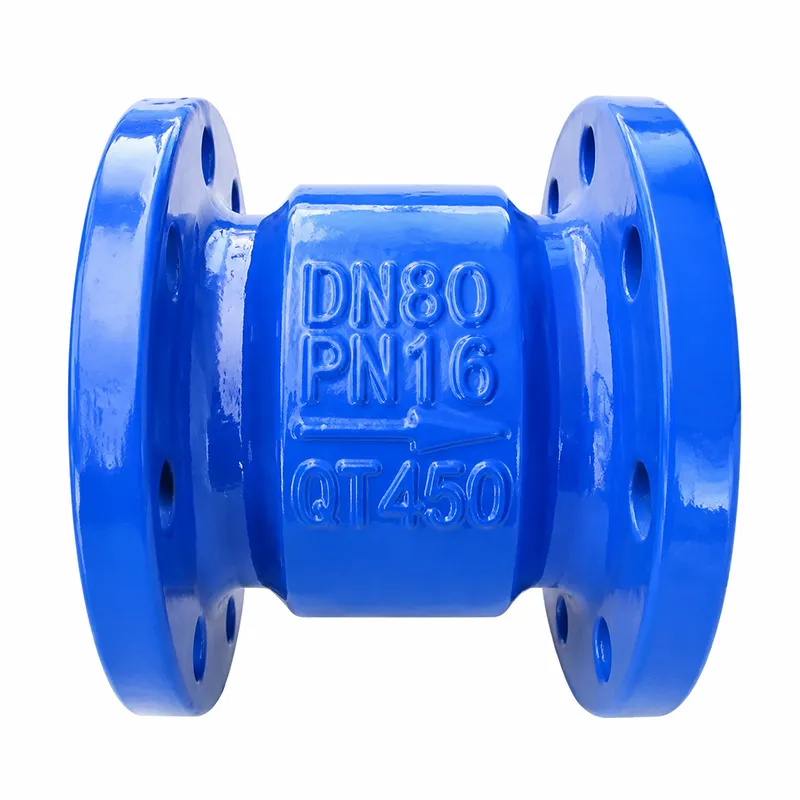
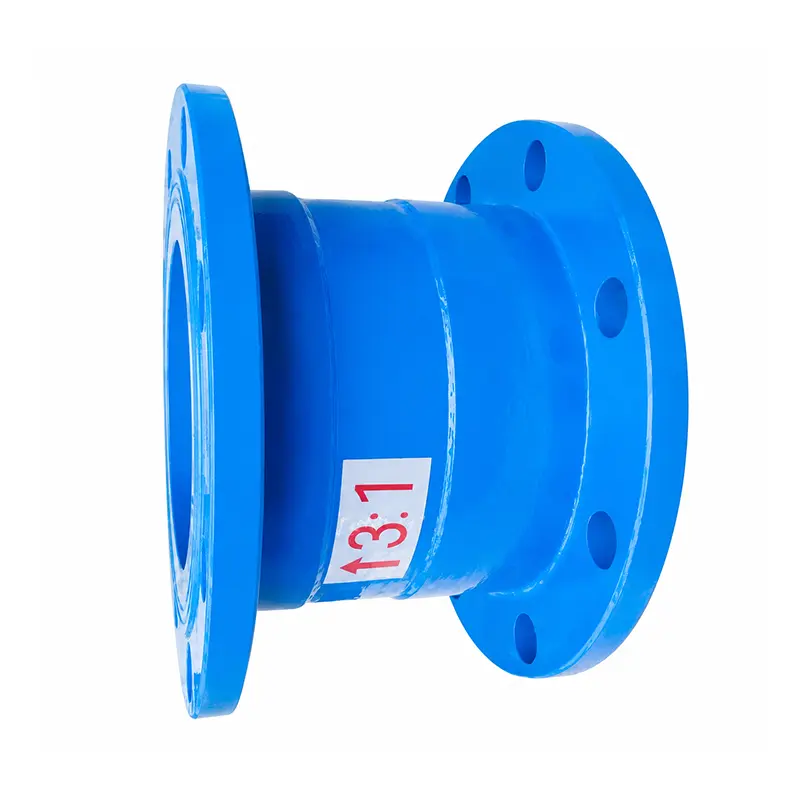
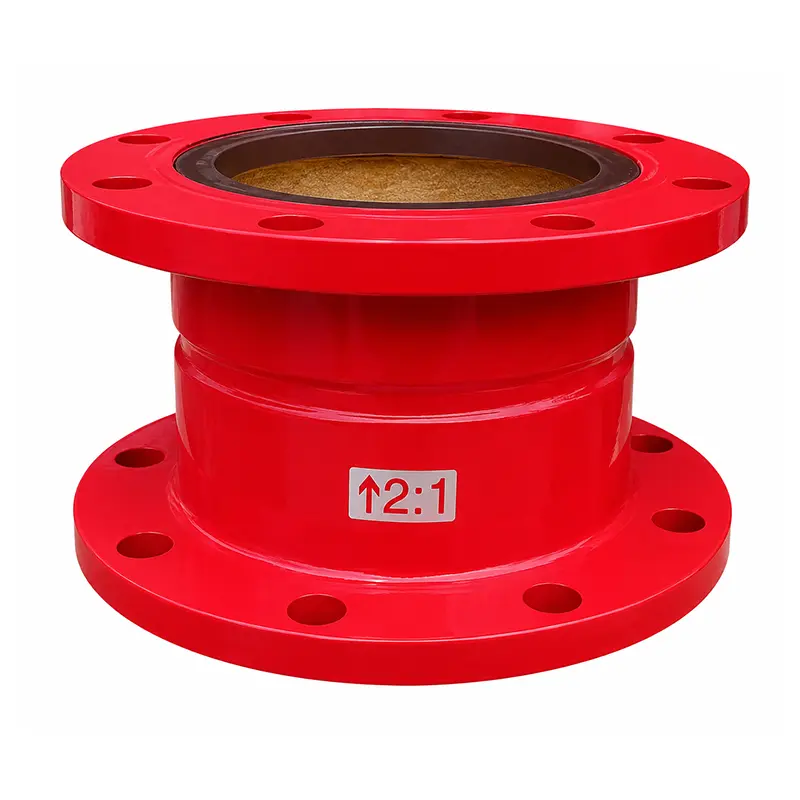
The FUXEON® Ratio Pressure Reducing Valve provides proportional pressure control through its internal piston structure. With selectable pressure ratios, a rated working pressure of 1.6 MPa, ductile iron or stainless steel material options, and flanged connections, it is suitable for building and industrial water supply applications requiring proportional pressure reduction.
The FUXEON® Ratio Pressure Reducing Valve is designed to reduce water pressure by using the difference between the effective pressure areas at both ends of the internal piston. As a type of pressure reducing valve, it creates a fixed proportional relationship between inlet and outlet pressure, making it suitable for metallurgy, petroleum, hydraulic systems, water pressure testing units, residential water supply, and high-rise building water supply systems.
Available pressure reduction ratios include 2:1, 3:1, 4:1, 3:2, and 5:2. The Valve can reduce both dynamic and static pressure and is suitable for water-based pipeline systems requiring proportional pressure control.
Working Principle
Pressure Balance
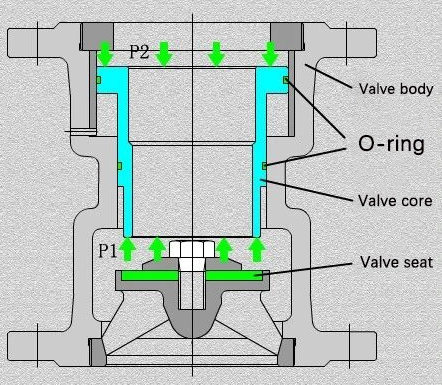
The Ratio Pressure Reducing Valve operates according to the force balance between different effective piston areas. The relationship can be expressed as P1 × S1 = P2 × S2, where P1 and P2 represent inlet and outlet pressure, while S1 and S2 represent the effective pressure areas at both ends of the piston.
Because the two effective areas are different, the inlet and outlet pressures maintain a predetermined proportional relationship. The outlet pressure changes with the inlet pressure rather than remaining completely constant.
Ratio Design
The pressure reduction ratio is determined by the matched internal valve core and cylinder liner. Different component dimensions create different effective pressure areas, allowing the valve to achieve ratios such as 2:1, 3:1, 4:1, 3:2, and 5:2.
The ratio is a structural design parameter and cannot be continuously adjusted during operation. A different pressure ratio requires a corresponding valve core and cylinder liner configuration. This operating principle makes the proportional pressure reducing valve suitable for systems requiring a fixed pressure relationship between different sections of a pipeline.
Product Comparison
Valve Types
Different pressure reducing valve designs are suitable for different system requirements. The following comparison can help purchasers select the appropriate pressure control method.
|
Comparison |
Ratio Pressure Reducing Valve |
Adjustable Pressure Reducing Valve |
Pilot-Operated Pressure Reducing Valve |
|
Pressure Control Method |
Fixed internal piston area ratio |
Spring and valve mechanism |
Pilot valve controls the main valve |
|
Outlet Pressure |
Changes proportionally with inlet pressure |
Maintains a preset pressure |
Controlled through a pilot system |
|
Pressure Ratio |
Fixed structural ratio |
Adjustable |
Adjustable |
|
Flow Capacity |
Suitable for proportional pressure control |
Suitable for general pressure control |
Suitable for larger systems |
|
System Complexity |
Relatively simple |
Moderate |
More complex |
|
Initial Cost |
Generally lower |
Moderate |
Generally higher |
|
Maintenance Needs |
Relatively low |
Moderate |
Higher due to pilot components |
|
Typical Applications |
Pressure zoning and water distribution |
General building and industrial systems |
Large-flow and complex water supply systems |
|
Best Selection Factor |
Fixed pressure relationship |
Adjustable downstream pressure |
Complex pressure control requirements |
The Valve is suitable when the system requires a predetermined proportional pressure reduction instead of maintaining a completely constant downstream pressure.
Technical Data
Main Parameters
|
Parameter |
Specification |
|
Standard |
GB/T 21386-2008 |
|
Nominal Diameter |
Available DN sizes should be confirmed according to the selected model |
|
Rated Working Pressure |
1.6 MPa |
|
Minimum Opening Pressure |
0.2 MPa for 2:1 / 0.3 MPa for 3:1 |
|
Pressure Ratio |
2:1, 3:1, 4:1, 3:2, 5:2 |
|
Valve Body |
Ductile Iron, Stainless Steel |
|
Medium |
Water |
|
Temperature |
≤80°C |
|
Connection |
Flanged |
The nominal diameter should be selected according to pipeline size, flow rate, inlet pressure, pressure reduction ratio, and overall operating conditions.
Performance
The hydraulic performance of the Ratio Pressure Reducing Valve is affected by nominal diameter, inlet pressure, pressure ratio, flow rate, and pipeline resistance. As flow increases, pressure loss across the valve and pipeline may also change.
For accurate engineering selection, the nominal diameter, operating flow rate, inlet pressure range, and required outlet pressure should be considered together. Flow-pressure performance data should be based on the selected valve size and actual test conditions.
Applications
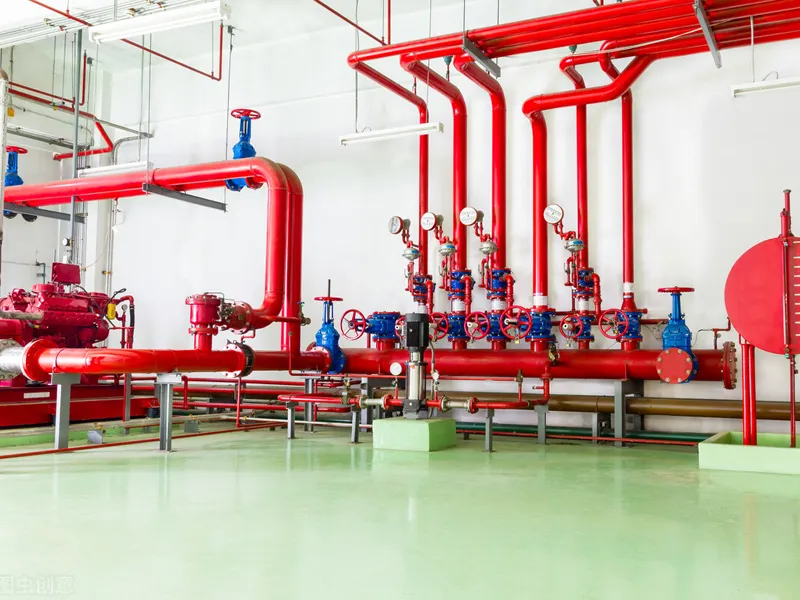
The Valve is suitable for metallurgy, petroleum-related systems, hydraulic systems, water pressure testing units, residential water supply systems, and high-rise buildings.
It can be used in pressure zoning applications where downstream pressure needs to maintain a proportional relationship with upstream pressure.
Quality Control
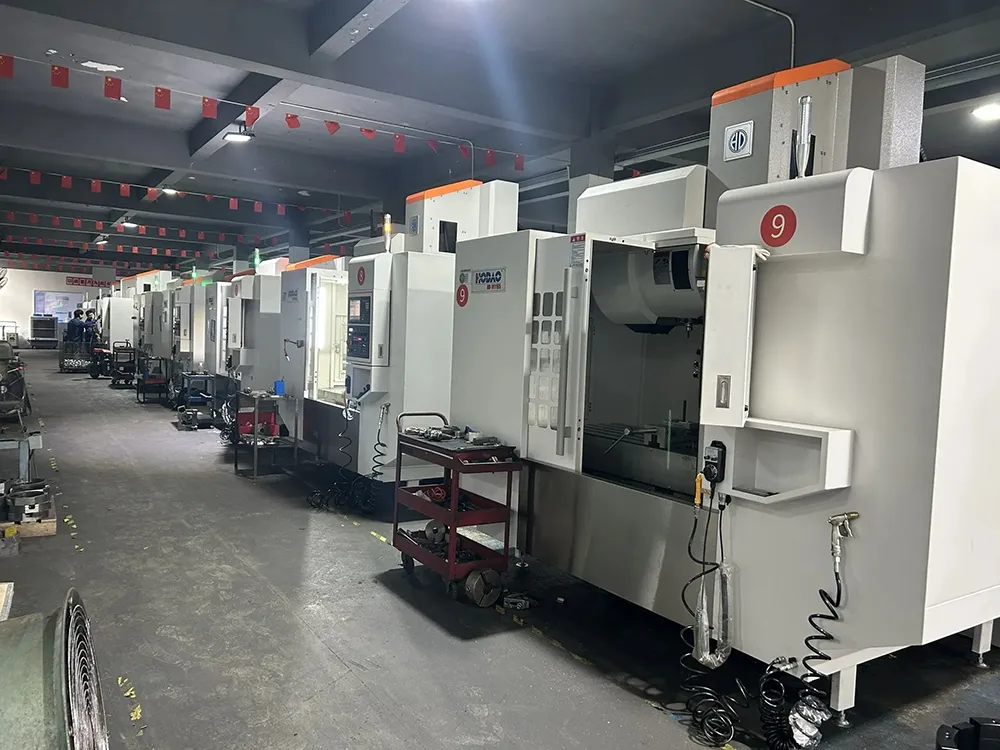
FUXEON® has multiple machining and production facilities and can manufacture several thousand pressure reducing valves per month.
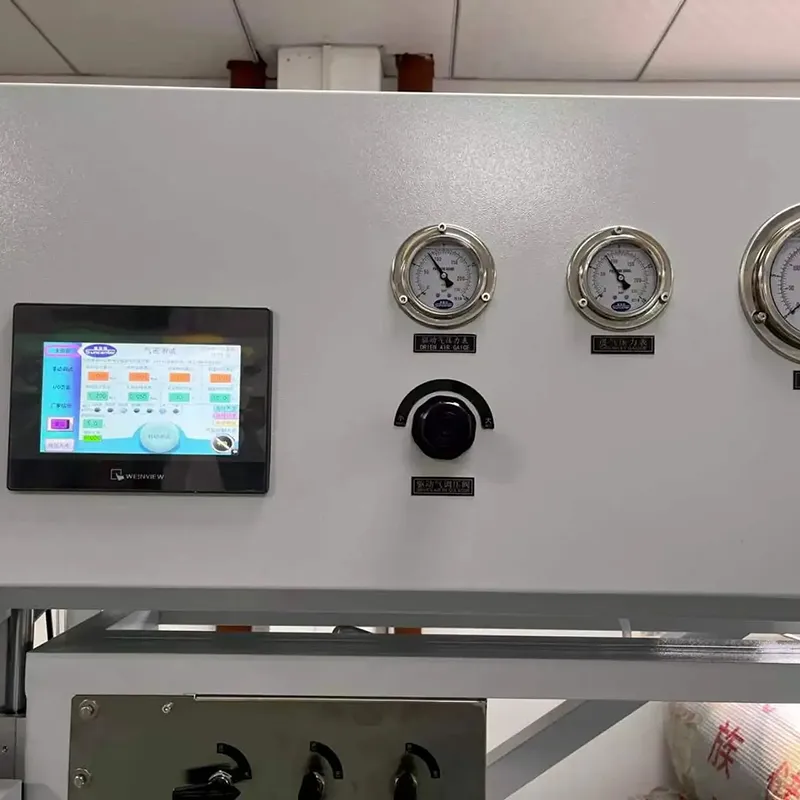
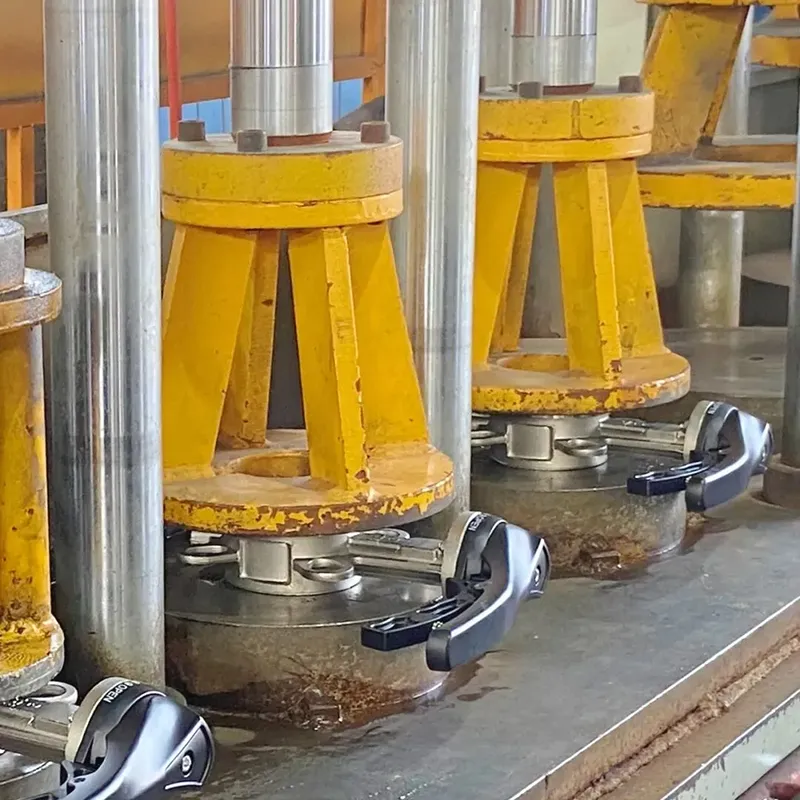
Each finished valve undergoes a 2.4 MPa pressure test with a 5-minute holding period to check valve strength and sealing performance before delivery.
FUXEON® holds GB/T 19001-2016 / ISO 9001:2015, GB/T 24001-2016 / ISO 14001:2015, GB/T 45001-2020 / ISO 45001:2018, and GB/T 27922-2011 certifications.
Installation
Basic Requirements
The pipeline should be cleaned before installation, and a Y-type filter should be installed upstream to prevent debris from entering the valve. Gate valves or butterfly valves can be installed before and after the valve for easier maintenance.
For systems requiring continuous water supply, two valves of the same nominal diameter can be installed in parallel. The small hole on the valve body must not face upward, as water or debris entering the hole may affect valve operation.
FAQ
Can the Ratio Be Adjusted?
No. The pressure reduction ratio is determined by the internal valve core and cylinder liner dimensions. To change the ratio, the corresponding internal component configuration must be changed.
Is the Outlet Pressure Constant?
No. The outlet pressure changes proportionally with the inlet pressure according to the predetermined pressure reduction ratio.
How Is the Ratio Selected?
The ratio should be selected according to system requirements. For domestic water supply systems, the ratio is generally no more than 3:1; for fire protection systems, generally no more than 4:1; and for domestic hot water systems, generally no more than 2.5:1.
How Is the Valve Size Selected?
The nominal diameter should be selected based on pipeline size, flow rate, inlet pressure, outlet pressure requirements, and operating conditions. The available DN range should be confirmed according to the specific FUXEON® valve model.
Hot Tags: Ratio Pressure Reducing Valve China, Manufacturer, Supplier, Factory
Related Category
- Alarm Valve
- Fire Sprinkler
- Fire Hydrant
- Fire Pump
- Fire Nozzle
- Fire Hose Coupling
- Fire Hose
- Fire Hose Reel
- Fire Cabinet
- Foam Bladder Tank
- Foam Extinguishing Accessories
- Water Flow Indicator
- Gate Valve
- Butterfly Valve
- Pressure Relief Valve
- Ball Valve
- Check Valve
- Control Valve
- Fire Strainer
- Dry Powder Fire Extinguisher
- CO2 Fire Extinguisher
- Water Fire Extinguisher
- FM200 Fire Suppression
- Water Mist Fire Suppression System
- Automatic Tracking And Positioning Jet Fire Extinguishing Device
- Fixed Manual Fire Monitor
- Automatic Fire Monitor
- Lithium-Ion Battery Fire Suppression System
Send Inquiry
Contact Info
-
Address
Xikou Industrial Zone, Meilin Sub-district, Nan’an City, Fujian Province, China
-
Tel
-
E-mail
If you have any enquiry about quotation or cooperation, please feel free to email or use the following inquiry form. Our sales representative will contact you within 24 hours.