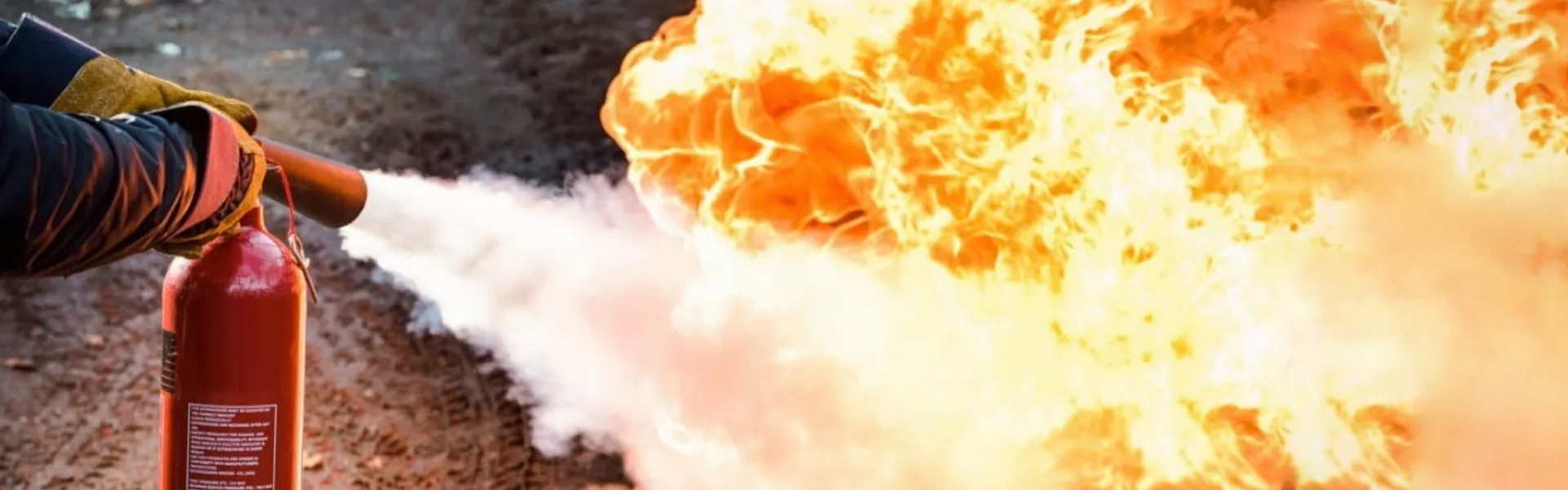
How Does a Fire Ground Monitor Improve Emergency Response?
When a fire breaks out in an industrial facility, the first few minutes can determine how quickly the incident is brought under control. Firefighters need equipment that can be transported to the scene, positioned securely and connected to a reliable water supply without depending on a permanent installation. This is where a Fire Ground Monitor becomes particularly useful. At FUXEON®, we focus on practical firefighting equipment designed for demanding industrial environments. Our PSY8/40WB-FX portable fire ground monitor combines a folding support structure, an aluminum alloy body and a rated flow of 40 L/S to provide long-range water delivery during emergency operations.
Article Summary: A portable Fire Ground Monitor improves emergency response by reducing equipment deployment time, providing high-volume water delivery and allowing firefighters to direct water or spray patterns from a stable operating position. This article examines the working specifications, structural features, deployment considerations and industrial applications of the FUXEON® PSY8/40WB-FX, including its 40 L/S rated flow, 0.8 MPa working pressure and minimum 65 m shooting range.
Table of Contents
- Why Emergency Response Needs a Portable Fire Ground Monitor
- How a Fire Ground Monitor Improves Firefighting Efficiency
- Key Specifications of the FUXEON® PSY8/40WB-FX
- Structural Features That Support Field Deployment
- How to Deploy a Fire Ground Monitor Safely
- Where Portable Fire Ground Monitors Are Used
- What to Consider When Selecting a Fire Ground Monitor
- FUXEON® Fire Protection Manufacturing Capabilities
- Frequently Asked Questions
1. Why Emergency Response Needs a Portable Fire Ground Monitor
Fixed fire monitors are valuable in facilities with established fire protection infrastructure, but they cannot cover every location. Industrial sites often have storage yards, loading areas, outdoor pipelines and temporary work zones where a permanent monitor may not be available or practical. Fire trucks may also have difficulty reaching certain positions because of narrow access roads, equipment congestion or obstacles around storage tanks.
In these situations, a portable Fire Ground Monitor gives firefighting teams another way to establish a high-capacity water discharge point. Instead of relying entirely on a fixed installation, operators can transport the monitor to an accessible position, extend its support legs and connect it to a compatible fire hose and water supply.
For emergency planning, we consider three factors especially important:
- Deployment flexibility: The monitor should be transportable and practical to position in different operating areas.
- Water delivery capacity: Its rated flow and working pressure should match the available fire pump and water supply.
- Operating stability: The support structure must remain secure under the reaction force generated by a high-volume water jet.
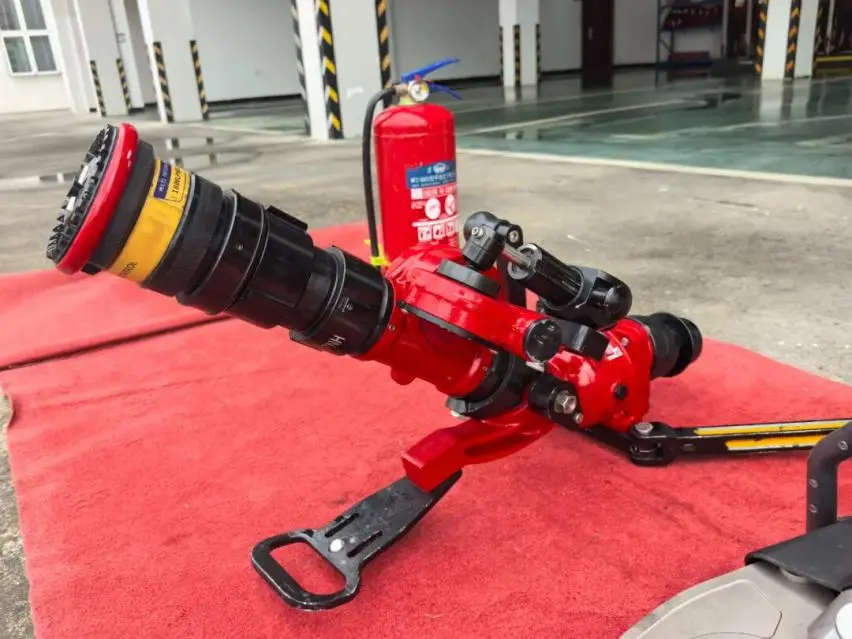
The FUXEON® PSY8/40WB-FX is designed around these requirements. Its folding triple-leg support makes transportation and storage easier, while its 40 L/S rated flow provides substantial water delivery capacity for large-area firefighting operations.
2. How a Fire Ground Monitor Improves Firefighting Efficiency
High-volume water delivery for faster coverage
Water flow is one of the first specifications we examine when evaluating a firefighting monitor. The PSY8/40WB-FX has a rated flow of 40 L/S at 0.8 MPa. This means it can deliver approximately 2,400 liters of water per minute under its rated operating conditions.
A high-flow Fire Water Monitor can cover a larger area than many conventional hand-held hose arrangements. It is particularly useful when firefighters need to cool exposed equipment, protect adjacent storage tanks or apply water to an accessible fire area from a safer operating position.
However, actual firefighting performance depends on more than the monitor itself. Pump capacity, hose diameter, pipeline losses, water availability, nozzle configuration and operating pressure all influence the final discharge performance. We recommend checking the complete water supply arrangement before selecting a monitor.
Long-range discharge helps manage difficult access
The PSY8/40WB-FX has a maximum shooting range of at least 65 meters under its specified test conditions. This reach provides more positioning flexibility when direct access to a fire area is restricted.
For example, in a petrochemical storage area, firefighters may need to direct water toward equipment located beyond a restricted access zone. A long-range Portable Fire Monitor can help establish a water delivery point at a suitable distance, subject to site conditions, wind and the actual fire protection plan.
Adjustable discharge direction improves operational control
Different fire conditions require different discharge patterns. A concentrated straight stream is useful for delivering water over a longer distance, while a wider fog or spray pattern can support broader cooling and exposure protection.
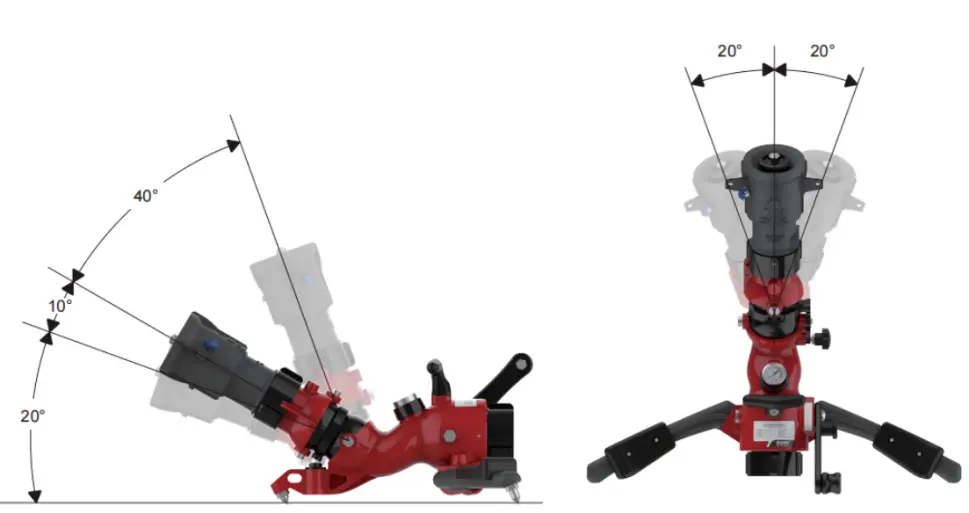
The FUXEON® monitor supports adjustable nozzle elevation from +30° to +70° and a maximum fog or spray angle of at least 90°. These adjustments allow operators to change the discharge direction and pattern according to the target area and operating requirements.
Our practical observation: A monitor with a high rated flow is not automatically the best choice for every site. We also evaluate water supply stability, available operating space, hose routing and ground conditions. These factors directly affect whether the equipment can be deployed and operated effectively during an emergency.
3. Key Specifications of the FUXEON® PSY8/40WB-FX
When comparing industrial firefighting equipment, we recommend reviewing the complete technical specification rather than focusing only on the advertised shooting distance. Flow rate, working pressure, elevation, spray angle and inlet compatibility must work together as part of the fire protection system.
The following table summarizes the main specifications of our PSY8/40WB-FX Fire Ground Monitor.
| Technical Parameter | Specification |
|---|---|
| Model | PSY8/40WB-FX |
| Rated Working Pressure | 0.8 MPa |
| Working Pressure Range | 0.8–1.0 MPa |
| Rated Flow Rate | 40 L/S (2,400 L/min) |
| Maximum Shooting Range | ≥65 m |
| Maximum Fog / Spray Angle | ≥90° |
| Elevation Angle | +30° to +70° |
| Horizontal Rotation Angle | ≥20° |
| Inlet Connection | 2.5" GOST, STORZ, NH and other optional connections |
| Main Body Material | High-strength aluminum alloy |
| Support Structure | Folding triple-leg base |
One detail worth checking is the inlet connection. International fire protection projects may use different hose coupling standards depending on local regulations and existing equipment. FUXEON® offers optional GOST, STORZ and NH connections to support different installation requirements. We recommend confirming the exact coupling specification before placing an order.
For related equipment, you can also explore our fire nozzle and fire hose coupling product ranges.
4. Structural Features That Support Field Deployment
Folding support legs for transportation and storage
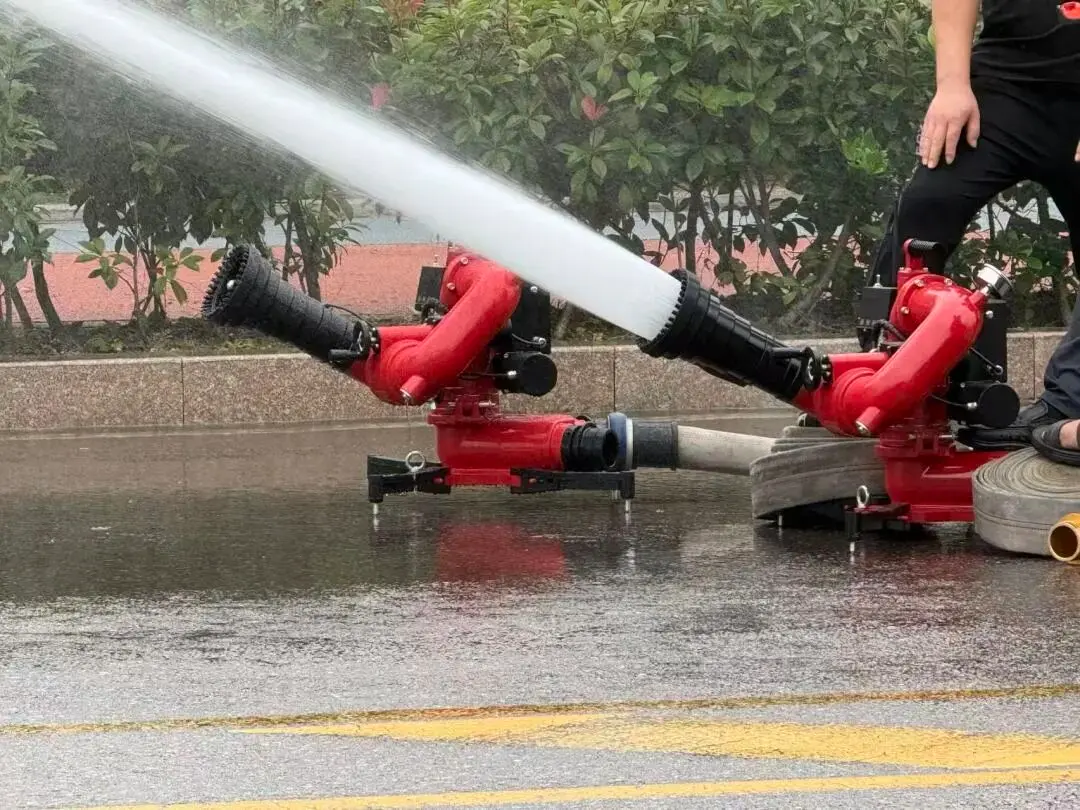
A portable monitor needs to be easy to move without compromising stability during operation. The PSY8/40WB-FX uses a folding triple-leg base that allows the support legs to be folded for storage and extended when the equipment is positioned at the fire scene.
Spring-loaded locking mechanisms secure the legs in both the extended and folded positions. This reduces the risk of the support structure moving unintentionally during transportation or setup.
Anti-slip spikes help stabilize the monitor
Water monitors generate considerable reaction forces when discharging water at high pressure. If the supporting surface is loose, smooth or uneven, the monitor may shift during operation.
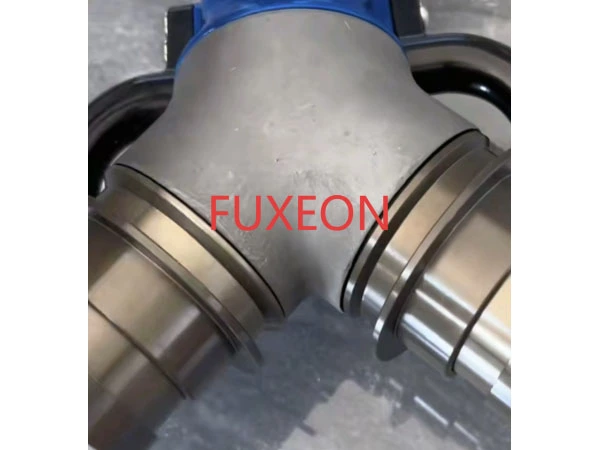
To address this issue, each support leg is equipped with anti-slip tungsten carbide studs. Internal spring-loaded shock-absorbing mechanisms help the studs adapt to uneven ground and reduce the effects of recoil.
In practical use, these features are particularly relevant to outdoor industrial sites where concrete surfaces, compacted soil and other ground conditions may vary. Operators should still assess the ground, secure the monitor properly and follow the manufacturer's operating instructions before opening the water supply.
Aluminum alloy construction reduces equipment weight
The main body of the FUXEON® Fire Fighting Ground Monitor is manufactured from high-strength aluminum alloy. Compared with conventional steel construction, aluminum alloy can reduce equipment weight, making transportation and handling more convenient.
The material also offers useful corrosion resistance for equipment exposed to moisture and demanding outdoor environments. Regular inspection and maintenance remain necessary, particularly after exposure to chemicals, saltwater or contaminated firefighting water.
Multiple discharge patterns for different firefighting tasks
The monitor can switch between a concentrated water jet and a wider spray pattern. These two discharge options serve different purposes:
- Concentrated jet: Suitable for long-distance water delivery and directing water toward a specific target.
- Fog or spray: Useful for wider surface coverage and cooling exposed equipment, depending on the application.
This flexibility makes the equipment more adaptable to changing firefighting requirements. Operators should select the discharge pattern based on the incident commander's instructions and the site's fire protection procedures.
5. How to Deploy a Fire Ground Monitor Safely
Fast deployment is important, but speed should never come at the expense of equipment stability. Based on the PSY8/40WB-FX structure, we recommend following a controlled setup procedure in accordance with the approved operating manual and site emergency plan.
Step 1: Select a suitable operating position
Choose a firm, relatively level surface with enough space for the monitor, hose connection and operator access. Consider the direction of the water jet, potential obstacles and the distance from the fire area.
Step 2: Extend and secure the support legs
Unfold the three support legs and check that the spring-loaded latches are properly engaged. Position the anti-slip studs securely against the ground. On suitable soil surfaces, ensure the studs have sufficient contact or penetration to improve stability.
Step 3: Connect the water supply hose
Connect a compatible fire hose using the specified inlet coupling. Check that the connection is properly engaged and that the hose is routed without sharp bends or unnecessary tension. Secure the auxiliary safety belt to an appropriate fixed anchor where required by the operating procedure.
Step 4: Check the nozzle position and discharge direction
Keep the monitor valve closed during initial setup. Adjust the elevation angle and discharge direction to the intended operating position. Ensure that personnel are clear of the discharge path and the potential movement area of the equipment.
Step 5: Gradually establish water flow
Once the equipment, hose connections and operating area have been checked, the authorized operator can gradually open the water supply according to the approved procedure. Monitor the pressure, hose condition and support stability throughout operation.
Safety reminder: A portable fire monitor should only be operated by trained personnel. Never reposition the equipment, adjust the support legs or disconnect a pressurized hose while water is flowing. Follow the manufacturer's manual and the incident commander's instructions at all times.
6. Where Portable Fire Ground Monitors Are Used
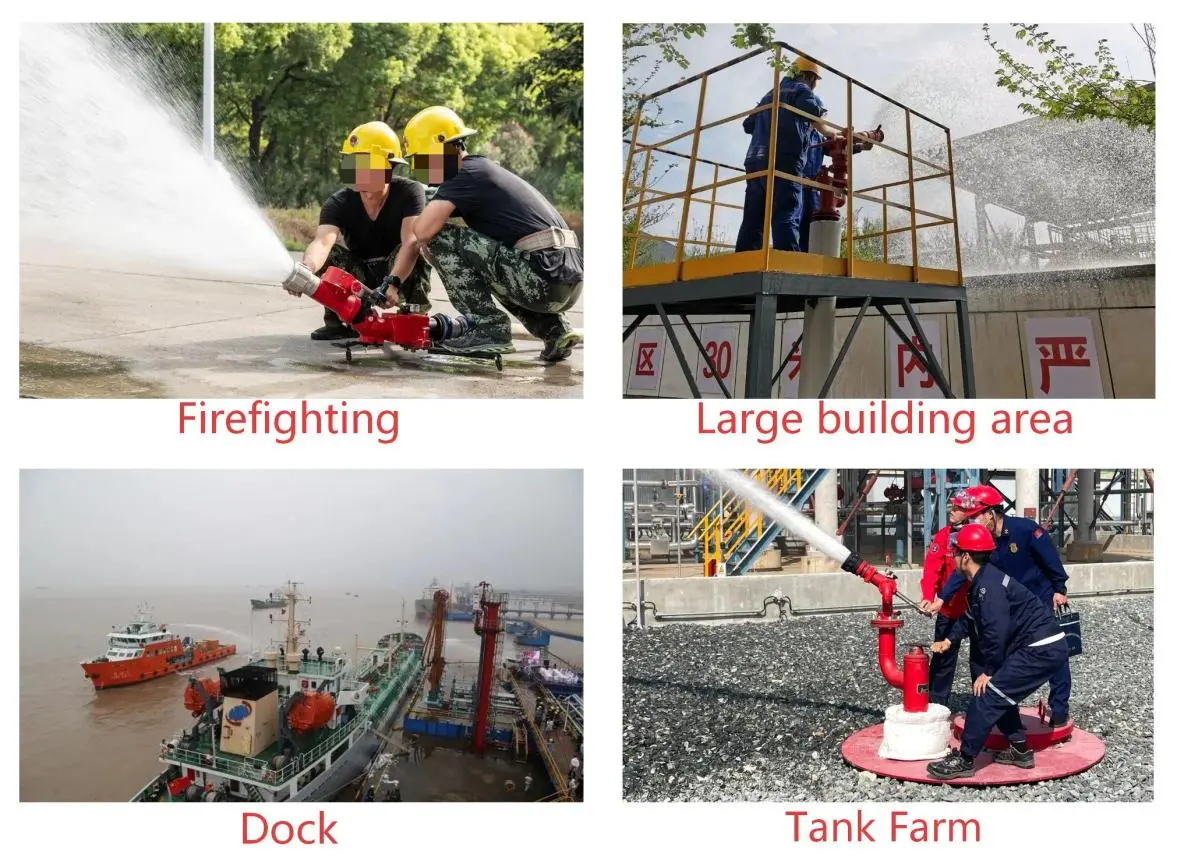
A portable Fire Ground Monitor is particularly valuable in facilities where fire risks are concentrated in large outdoor areas or where fixed firefighting equipment cannot provide complete coverage. We commonly identify the following applications when evaluating industrial fire protection requirements.
Oil depots and petrochemical tank farms
Oil storage facilities contain flammable liquids and equipment that may require substantial cooling water during a fire emergency. A portable monitor can be positioned at an accessible location to direct water toward exposed tanks, nearby equipment or other designated protection areas. When the fire protection design requires foam application, it can be used as part of a compatible foam system.
Explore our foam bladder tanks for related foam fire suppression equipment.
Airports and aircraft support areas
Airports have extensive open areas, fuel storage facilities, maintenance buildings and ground support equipment. Portable firefighting monitors provide additional positioning flexibility for designated emergency response operations, especially in locations where fixed installations are not sufficient on their own.
Ports, docks and marine facilities
Ports and docks handle cargo, fuel, containers and industrial machinery. A portable monitor can be transported to suitable operating positions to support water delivery for exposed equipment and designated fire protection zones. For marine environments, corrosion inspection and suitable maintenance practices are particularly important.
Large industrial buildings and warehouses
Large warehouses and manufacturing facilities may have long distances between equipment areas, storage zones and water supply points. A mobile Fire Fighting Water Monitor can provide an additional high-flow discharge option where access and site conditions permit.
For facilities with more extensive fire protection requirements, we also provide related fire hydrants, fire hoses and fire hose reels.
7. What to Consider When Selecting a Fire Ground Monitor
Choosing a fire monitor based only on its maximum shooting range can lead to problems during actual installation and operation. In our experience, technical compatibility and operating conditions deserve equal attention.
| Selection Factor | What to Check | Why It Matters |
|---|---|---|
| Rated Flow Rate | Required water discharge volume and pump capacity | Ensures the water supply can support the monitor. |
| Working Pressure | Rated pressure and operating pressure range | Helps maintain the specified discharge performance. |
| Shooting Range | Required distance and actual site conditions | Determines whether the monitor can reach the target area. |
| Support Structure | Leg design, locking mechanism and ground contact | Helps maintain stability under water reaction forces. |
| Inlet Connection | GOST, STORZ, NH or other local standards | Prevents compatibility problems during emergency setup. |
| Material | Aluminum alloy and corrosion resistance | Affects handling, durability and maintenance requirements. |
| Discharge Pattern | Straight jet and fog or spray adjustment | Supports different water application requirements. |
We also recommend checking the available water source, hose length, pressure losses and the space required for deployment. A monitor may meet the required flow specification on paper, but the complete system must be capable of delivering that performance at the operating position.
8. FUXEON® Fire Protection Manufacturing Capabilities
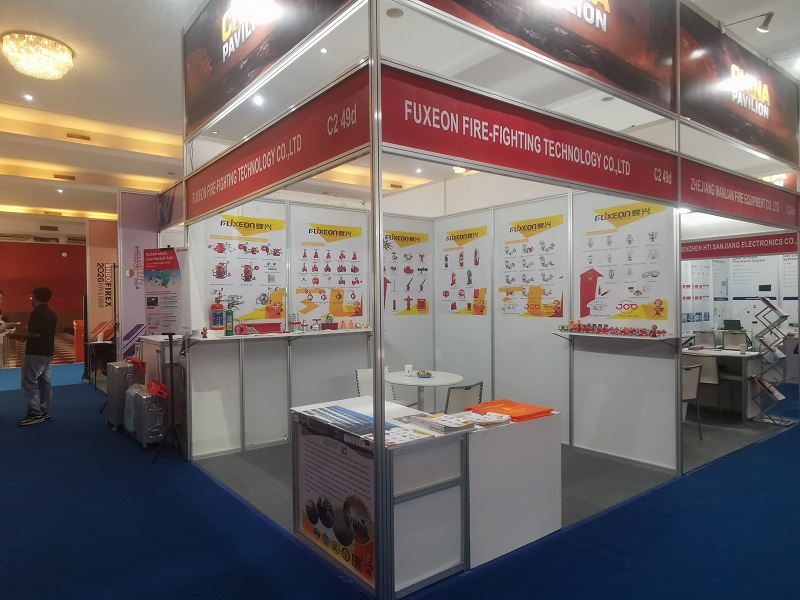
At FUXEON® (Fuxeon Fire-Fighting Technology Co., Ltd.), we have been engaged in fire protection equipment manufacturing since 2004. Our operations are based in Nan'an, Fujian, China, with more than 20,000 square meters of factory space and three main production bases in Nan'an Meilin, Nan'an Economic Development Zone and Jiangshan Development Zone.
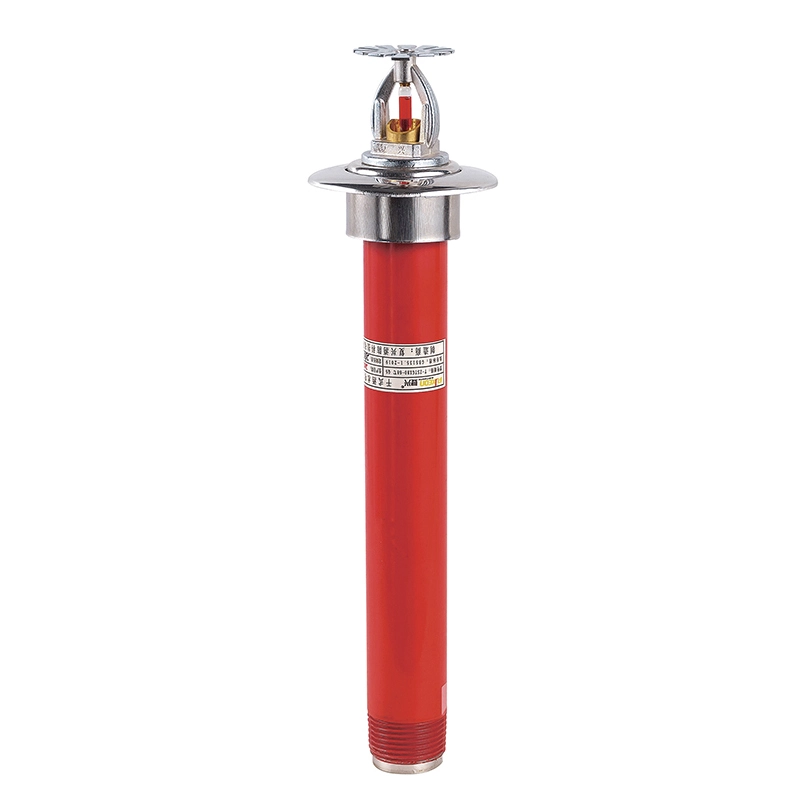
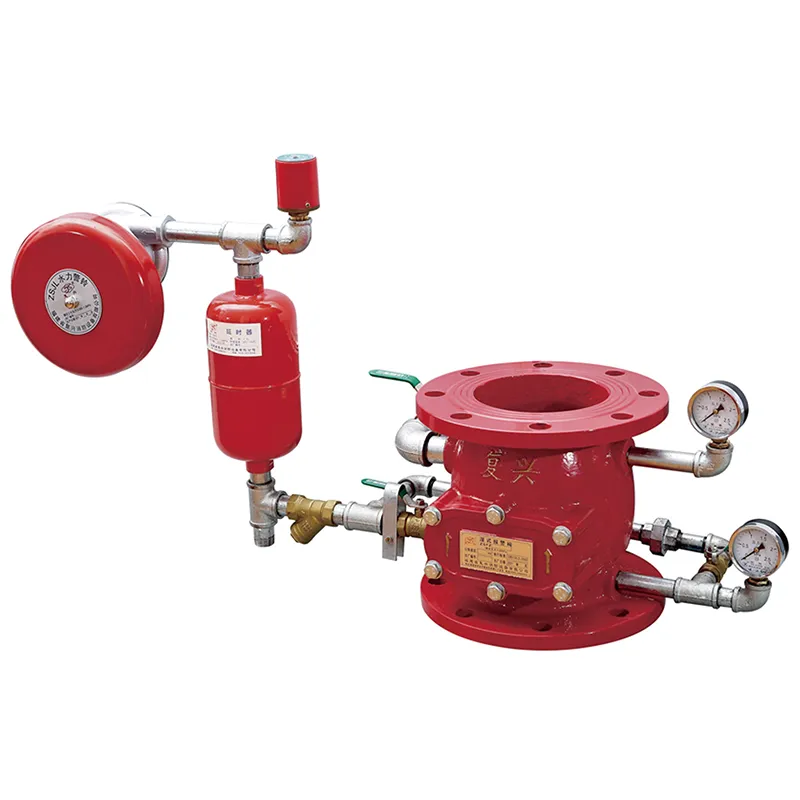
Our manufacturing activities cover the research, development and production of core fire protection products, including alarm valves, fire sprinklers, fire hydrants, fire hoses, hose reels and industrial firefighting equipment.
For us, manufacturing a reliable Fire Ground Monitor involves more than assembling individual components. Material selection, structural design, connection compatibility and product inspection all contribute to the final equipment quality. We conduct product testing and inspection before shipment, including pressure testing for the relevant monitor products.
Our company certification portfolio includes CCCF, ISO 9001, CE, FM, UL, EAC and LPCB certifications. Certification applicability depends on the specific product and model, so we recommend confirming the relevant certificates and documentation for each project.
With products exported to more than 50 countries, we understand that different markets may have different requirements for fire hose couplings, technical documentation, product configurations and packaging. We support OEM/ODM cooperation and can discuss suitable specifications for different project requirements.
You can learn more about our manufacturing background on the FUXEON company profile page or explore our complete fire water monitor product range.
9. Frequently Asked Questions
Q1: What is a Fire Ground Monitor used for?
A: A Fire Ground Monitor is a portable firefighting device designed to deliver high-volume water or a suitable firefighting medium toward a fire area. It is commonly used in oil depots, petrochemical facilities, airports, ports, warehouses and other locations where flexible deployment and long-range discharge are required.
Q2: What is the rated flow rate of the FUXEON® PSY8/40WB-FX?
A: The rated flow rate is 40 L/S at a rated working pressure of 0.8 MPa. This is equivalent to approximately 2,400 liters per minute. The actual flow depends on the available water supply and operating conditions.
Q3: How far can the PSY8/40WB-FX shoot water?
A: Its specified maximum shooting range is at least 65 meters. Actual range can vary with water pressure, flow conditions, nozzle configuration, wind and other environmental factors.
Q4: Why does a portable fire monitor need anti-slip support legs?
A: A high-flow water jet generates a reaction force that can cause an inadequately secured monitor to move. Anti-slip tungsten carbide studs and spring-loaded shock-absorbing mechanisms help the support legs maintain contact with the ground and improve operating stability.
Q5: Which inlet connections are available for this fire ground monitor?
A: The PSY8/40WB-FX supports optional 2.5-inch GOST, STORZ and NH connections, among other configurations. The required coupling should be confirmed according to the local fire hose standard and existing water supply equipment.
Q6: Can a fire ground monitor be used with a foam fire suppression system?
A: It can be incorporated into a compatible foam firefighting arrangement when the monitor, foam proportioning equipment and discharge components are designed for the intended application. The complete system configuration should be confirmed before use. FUXEON® also supplies related foam bladder tanks and foam fire protection equipment.
Q7: How should a portable fire ground monitor be maintained?
A: After operation, inspect the body, nozzle, support legs, locking latches and inlet connections. Drain residual water, remove dirt or debris and lubricate rotating components according to the maintenance instructions. Check the anti-slip studs and shock-absorbing mechanisms for wear or damage before returning the equipment to service.
Q8: What information should be provided when requesting a fire monitor quotation?
A: We recommend providing the required flow rate, working pressure, shooting range, inlet connection standard, intended application and order quantity. If the equipment will be integrated into an existing fire protection system, details of the pump and hose connections are also useful for checking compatibility.
Looking for a Reliable Fire Ground Monitor?
FUXEON® provides portable fire monitors and a comprehensive range of industrial fire protection equipment for different project requirements.
Contact our team to discuss technical specifications, inlet connections and OEM/ODM requirements for your fire protection project.
Send an Inquiry Contact FUXEON®Related News
- Selection of dry powder fire extinguishers
- The function of a fire hose nozzle
- Applications of alarm valves
- What Are the Main Components of a Portable Dry Powder Fire Extinguisher?
- Which Pressure Rating Should a Fire Strainer Meet for a Fire Protection Project?
- What Materials Should Be Considered When Choosing a Fire Strainer?
Leave me a message


News Recommendations