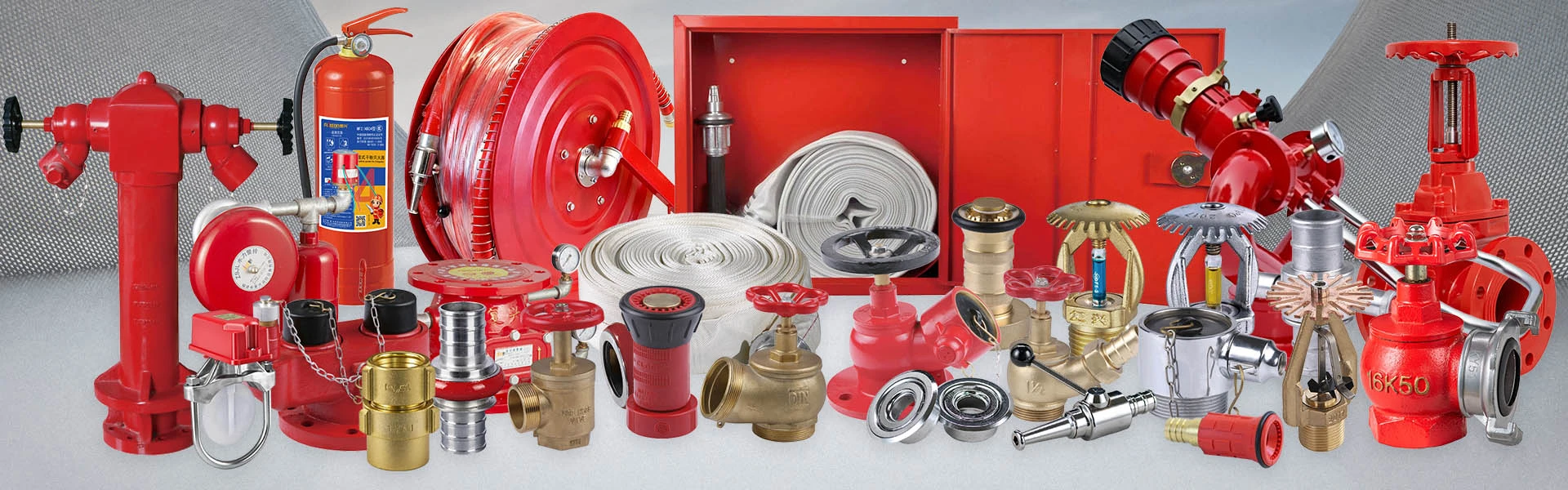
Lithium Battery Thermal Runaway Fire Protection System
Lithium Battery Thermal Runaway Fire Protection Systems are becoming essential for renewable energy integration, grid stabilization, and backup power applications. However, thermal runaway remains one of the biggest safety challenges because a single damaged battery cell can release extreme heat, flammable gases, and trigger cascading failures.
The Lithium Battery Thermal Runaway Fire Protection System provides a specialized safety solution for detecting early battery abnormalities and controlling fire risks before they affect surrounding modules. By combining intelligent monitoring, rapid suppression activation, and modular installation design, the system helps protect valuable energy storage assets and maintain stable operations.
Why Battery Energy Storage Systems Require Dedicated Fire Suppression
Unlike traditional electrical equipment fires, lithium battery incidents involve complex chemical reactions that may continue generating heat even after visible flames appear. Effective protection requires early detection, targeted suppression, and continuous control of thermal propagation.
1. Preventing Thermal Propagation Between Battery Cells
The system identifies abnormal temperature increases and gas emissions at the early stage, helping prevent a single battery failure from spreading throughout the entire rack or container.
2. Controlling Flammable Gas Release During Battery Failure
Advanced detection technology monitors gases generated during battery decomposition, allowing operators to respond before dangerous concentrations develop.
3. Maintaining Safety During Emergency Response
By reducing heat generation and controlling combustion reactions, the system creates a safer environment for personnel intervention and equipment recovery.
Integrated Technologies Behind Our Lithium Battery Fire Protection Solution
1. Multi-Sensor Monitoring for Accurate Risk Identification
The system combines electrochemical gas sensors, thermal detection modules, and pressure monitoring technology to evaluate battery conditions from multiple perspectives.
2. Intelligent Control System for Fast Decision Making
The control unit analyzes collected data and activates suppression devices when predefined safety thresholds are reached, reducing unnecessary activation while ensuring rapid response.
3. Flexible Suppression Options for Different Applications
Depending on installation requirements, the system supports condensed potassium-based aerosol and ultra-fine water mist suppression technologies to match different battery environments.
Where Lithium Ion Battery Fire Suppression Systems Are Used
1. Utility-Scale Energy Storage Projects
Designed for large battery energy storage stations, renewable energy storage facilities, and containerized BESS installations.
2. Industrial and Commercial Battery Cabinets
Suitable for factories, commercial buildings, and facilities requiring reliable lithium battery safety management.
3. Data Center Backup Energy Systems
Provides additional protection for UPS battery racks and critical backup power equipment.
4. Renewable Energy Storage Applications
Supports solar and wind power storage systems where battery safety directly affects energy reliability.
Engineering Advantages of Our Energy Storage Fire Protection System
1. Compact Structure for Space-Limited Installations
The low-profile design allows integration into standard battery racks and cabinets without occupying excessive installation space.
2. Independent Operation Without Complex Infrastructure
The system is designed for simplified installation and can operate with minimal dependence on external equipment.
3. Long-Term Reliability with Predictive Maintenance
Self-check functions and condition monitoring help identify potential maintenance requirements before system performance is affected.
Technical Performance of Lithium Battery Energy Storage Fire Suppression System
| Parameter | Specification |
|---|---|
| Suppression Agent | Potassium-based condensed aerosol |
| Optional Suppression Method | 50–120 μm ultra-fine water mist |
| Detection Technology | Gas sensor + thermal detection system |
| Activation Response | ≤10 ms |
| Operating Temperature | -20°C to +70°C |
| Humidity Range | 0–98% RH without condensation |
| Communication | BACnet, Modbus, CAN Bus, Dry Contact |
| Certification | UL 9540A, NFPA 855, EN 50604-1, CE, UKCA |
How This System Improves Energy Storage Safety Management
1. Reducing Equipment Losses Caused by Battery Fires
Early intervention helps limit fire expansion and protects expensive battery modules and supporting infrastructure.
2. Improving Operational Continuity
Fast suppression response reduces downtime and supports safer recovery after abnormal battery events.
3. Supporting Global Energy Storage Safety Requirements
The system is designed to support international safety standards and meet the increasing demand for reliable battery protection solutions.
Frequently Asked Questions About Lithium Battery Thermal Runaway Fire Protection System
1. What causes lithium battery thermal runaway in energy storage systems?
Thermal runaway may occur due to internal short circuits, overcharging, overheating, manufacturing defects, or mechanical damage.
2. How is this system different from traditional fire protection equipment?
Unlike general fire protection systems, it is specifically designed for lithium battery characteristics, including early gas detection, rapid suppression, and thermal propagation control.
3. Can the system protect battery racks while they are energized?
Yes. The non-conductive suppression agent is designed for use around sensitive electrical components and energized battery systems.
4. What battery applications can use this protection system?
It can be applied to containerized BESS, battery cabinets, data centers, industrial UPS systems, and renewable energy storage projects.
5. How often does the system require maintenance?
The system includes self-monitoring functions and supports long-life operation with recommended periodic inspection and sensor calibration.
Related Products
Hot Products
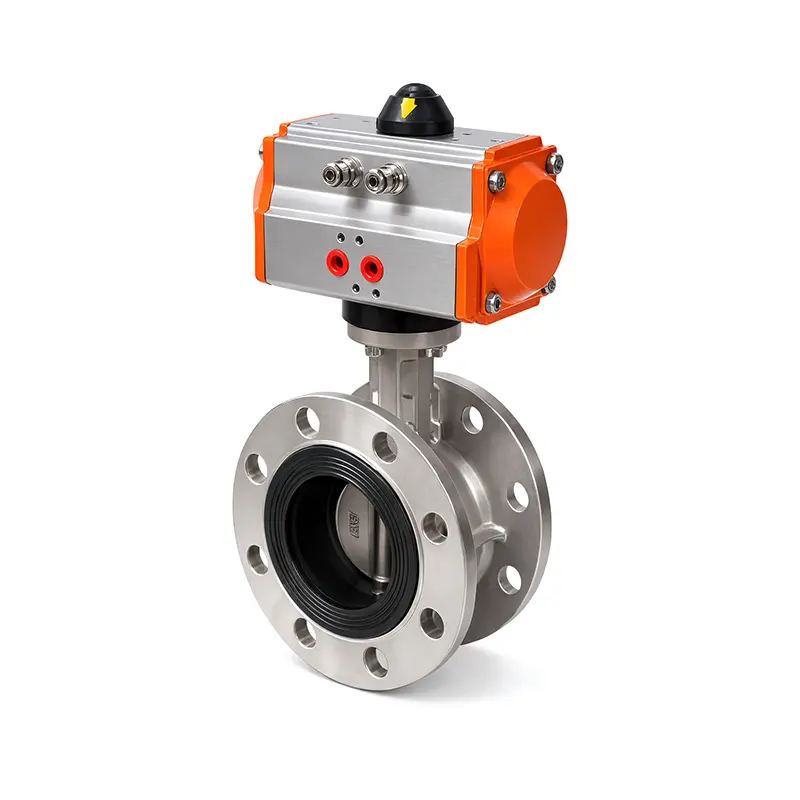
Electric Butterfly Valve
The FUXEON® electric butterfly valve is a professional valve designed for industrial pipeline switching, control, and regulation, featuring a compact structure and high-efficiency operational performance. Our valves are CNC machined, with surfaces treated in either matte or mirror polish, specific requirements can be customized according to the client's needs.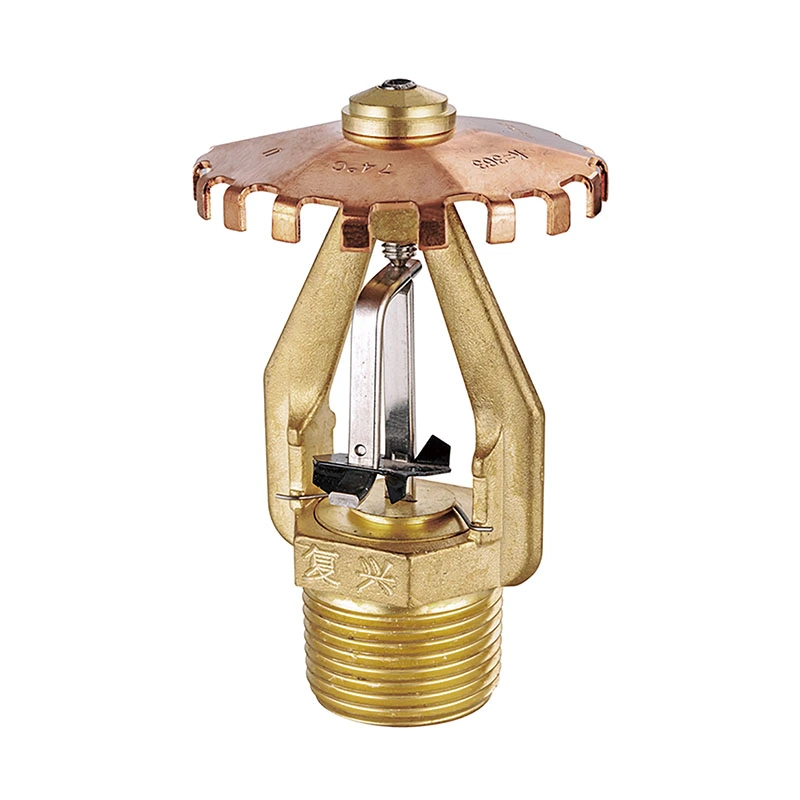
ESFR Fire Sprinkler
You can obtain free samples by sending an inquiry.The ESFR fire sprinkler produced by Fuxeon® have passed the tests of 33 technical performance requirements, and the items tested by the sprinklers of K=202 K=242 K=363 all meet the requirements of the national standard GB5135.9-2018.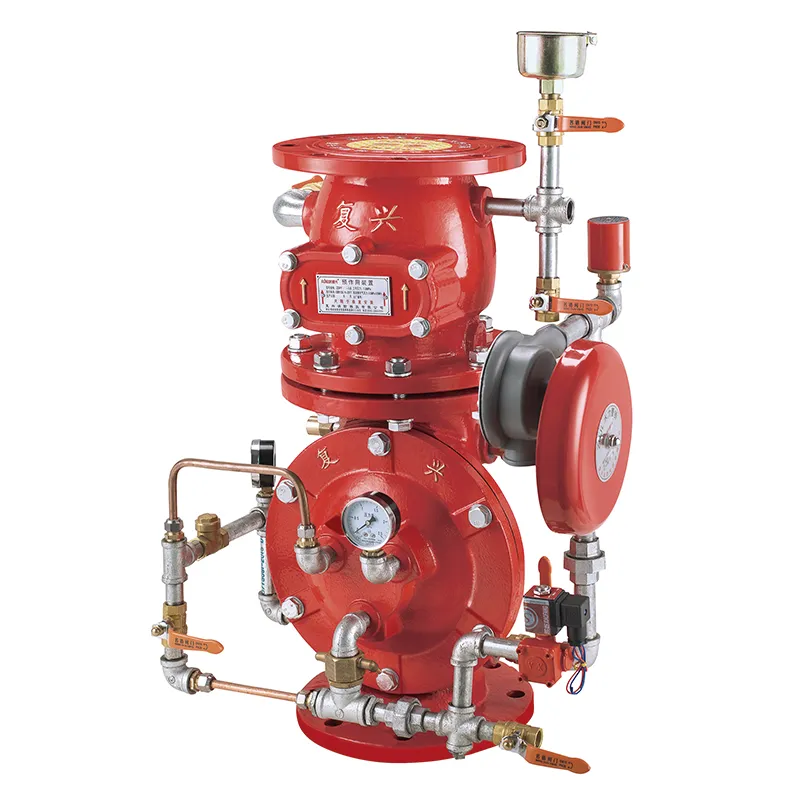
Pre-Action Alarm Valve Device
In China,Fuxeon® Pre-Action Alarm Valve Device is an automatic sprinkler fire extinguishing device that combines automatic fire detection and alarm technology with an automatic sprinkler fire extinguishing system. It provides dual protection for the protected object and is particularly suitable for critical locations that are exposed to freezing temperatures and are protected from water damage, where accidental spraying is unacceptable. These locations include computer rooms, generator rooms, data rooms, historical archives, and high-bay warehouses.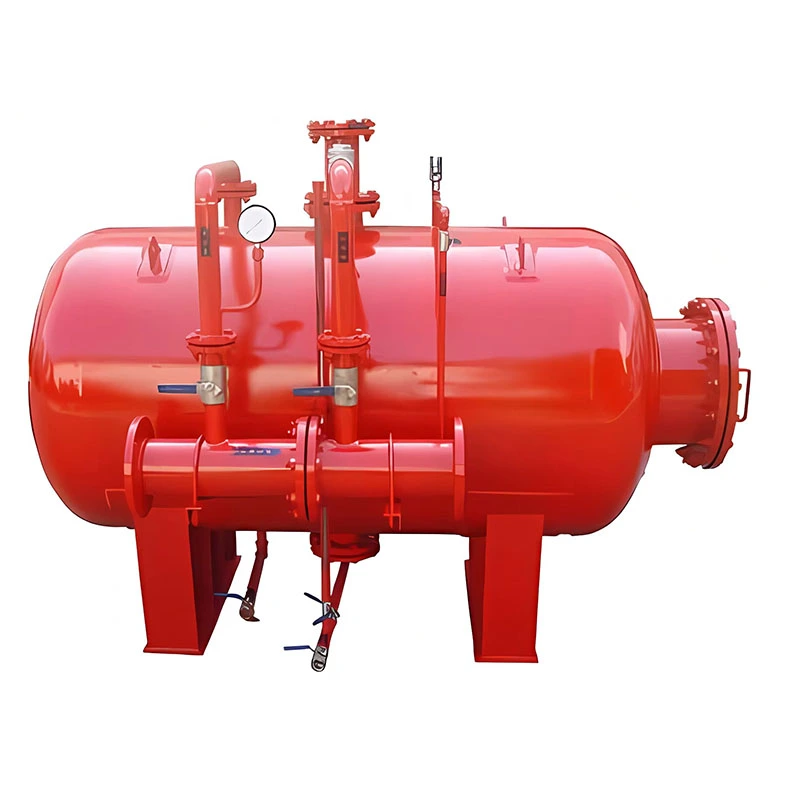
Horizontal Foam Bladder Tank
The Horizontal Foam Bladder Tank is the core component of the foam fire suppression system, providing an efficient and reliable fire suppression solution for the production, storage and transportation of flammable liquids. Both new and existing customers can obtain free samples through FUXEON®.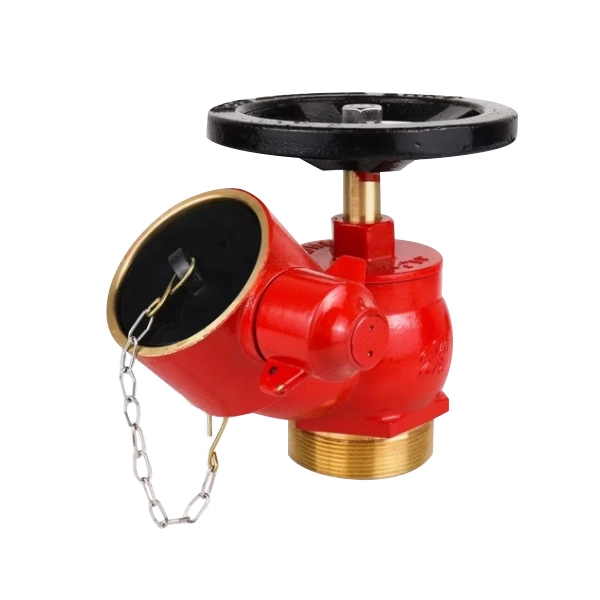
Fire Angle Valve
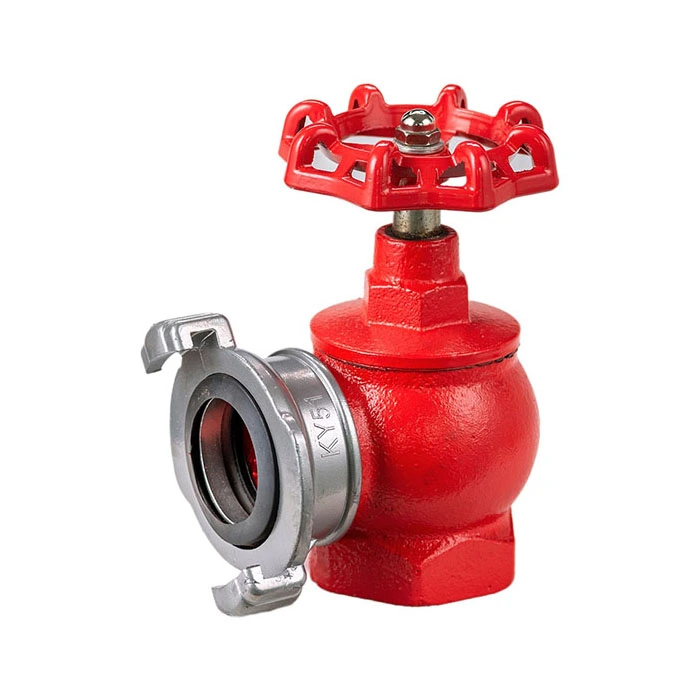
The durable Fire Angle Valve supplied by Fuxeon® is an outlet installed on the fire water supply network (vertical pipe/main circuit), designed to quickly provide water supply in case of a fire, so as to connect water hoses and nozzles for firefighting. They are commonly used in high-rise buildings, shopping malls, subways, factories, warehouses, airports, and other public areas, ensuring that both personnel and firefighters can access water rapidly in case of a fire.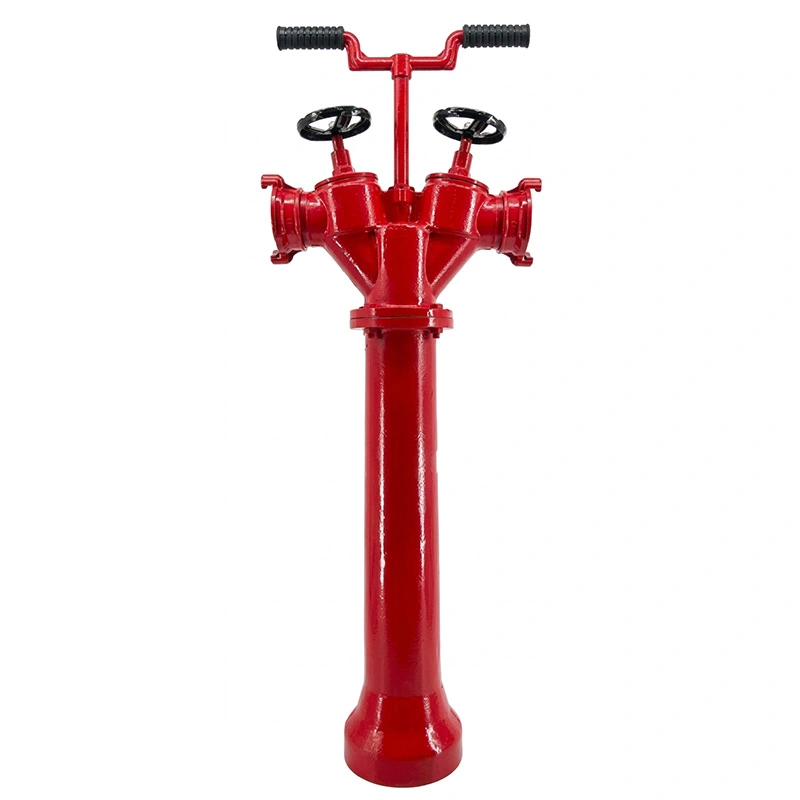
KPA Fire Hydran
The FUXEON® KPA fire hydrant is a device that connects to underground fire hydrants. Its function is to open or close the hydrant and connect fire hoses to provide water to fire and rescue departments. This fire hydrant is suitable for temperate, cold, and tropical climates and meets the installation requirements specified in GOST 15150-69 standard.
- Related Blog
- Reviews