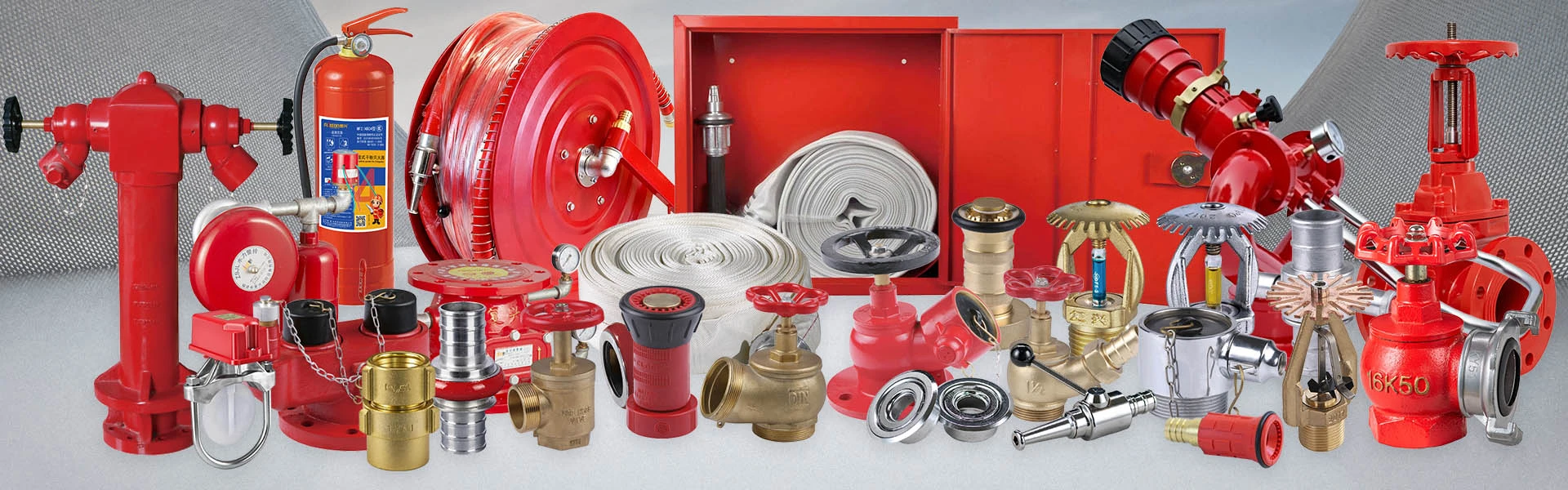
Industrial Ratio Pressure Reducing Valve with Flanged Ends
The industrial ratio pressure reducing valve with flanged ends is built for process and utility systems where downstream pressure must track upstream pressure at a fixed ratio. The valve reduces water pressure by using the difference between the effective pressure areas at both ends of the internal piston, creating a structural proportional relationship between inlet and outlet pressure rather than maintaining a constant downstream value. Flanged ends make it suitable for rigid industrial pipework in metallurgy, petroleum-related systems, hydraulic systems and water pressure testing units.
Available ratios are 2:1, 3:1, 4:1, 3:2 and 5:2. Both dynamic and static pressure are reduced, which matters in industrial systems where the line may sit static for long periods and then ramp to full flow.
Why Industrial Systems Choose a Ratio Valve
In many industrial installations the goal is not to hold a single downstream setpoint but to keep a fixed relationship between two sections of the same pipeline. Typical examples include:
- Pressure zoning — high-pressure upstream sections feeding lower-pressure downstream sections at a predictable ratio.
- Water pressure testing units — test pressure derived proportionally from the supply pressure.
- Hydraulic and utility systems — where a downstream circuit must scale with the upstream supply rather than be capped.
- Metallurgy and petroleum-related systems — cooling and utility water lines where proportional reduction protects downstream equipment.
Because the ratio is fixed by the internal valve core and cylinder liner, there is no spring to drift and no pilot circuit to maintain. The valve is mechanically simple, which in an industrial plant translates into fewer failure points and lower maintenance demand.
How It Compares with Other Pressure Reducing Valves
|
Comparison |
Ratio Pressure Reducing Valve |
Adjustable Pressure Reducing Valve |
Pilot-Operated Pressure Reducing Valve |
|
Pressure Control Method |
Fixed internal piston area ratio |
Spring and valve mechanism |
Pilot valve controls the main valve |
|
Outlet Pressure |
Changes proportionally with inlet pressure |
Maintains a preset pressure |
Controlled through a pilot system |
|
Pressure Ratio |
Fixed structural ratio |
Adjustable |
Adjustable |
|
System Complexity |
Relatively simple |
Moderate |
More complex |
|
Initial Cost |
Generally lower |
Moderate |
Generally higher |
|
Maintenance Needs |
Relatively low |
Moderate |
Higher due to pilot components |
|
Best Selection Factor |
Fixed pressure relationship |
Adjustable downstream pressure |
Complex pressure control requirements |
The industrial ratio valve is the right choice when the system requires a predetermined proportional pressure reduction instead of a completely constant downstream pressure. Where the plant needs to change the setpoint frequently, an adjustable or pilot-operated valve will be more appropriate.
Technical Data
|
Parameter |
Specification |
|
Standard |
GB/T 21386-2008 |
|
Nominal Diameter |
Available DN sizes should be confirmed according to the selected model |
|
Rated Working Pressure |
1.6 MPa |
|
Minimum Opening Pressure |
0.2 MPa for 2:1 / 0.3 MPa for 3:1 |
|
Pressure Ratio |
2:1, 3:1, 4:1, 3:2, 5:2 |
|
Valve Body |
Ductile Iron, Stainless Steel |
|
Medium |
Water |
|
Temperature |
≤80°C |
|
Connection |
Flanged |
Selecting the Body Material for Industrial Service
The valve is available with a ductile iron or stainless steel body. Ductile iron is the standard choice for treated water and utility lines within its pressure and temperature range. Stainless steel is specified where the water is aggressive — for example where chlorides, process contamination or corrosive additives are present — or where the plant standard calls for stainless wetted parts.
Whichever body material is chosen, the internal valve core and cylinder liner determine the ratio, so the material decision does not change the hydraulic relationship between inlet and outlet pressure. For upstream debris protection, pair the valve with a Y-type strainer, and for isolation use a gate valve or butterfly valve.
Quality Control and Production Capacity
FUXEON® has multiple machining and production facilities and can manufacture several thousand pressure reducing valves per month. Each finished valve undergoes a 2.4 MPa pressure test with a 5-minute holding period to check valve strength and sealing performance before delivery. FUXEON® holds GB/T 19001-2016 / ISO 9001:2015, GB/T 24001-2016 / ISO 14001:2015, GB/T 45001-2020 / ISO 45001:2018 and GB/T 27922-2011 certifications.
For industrial projects that require a broader equipment package, FUXEON® supplies related pipeline components including check valves, ball valves, pressure relief valves and water flow indicators.
Frequently Asked Questions
Q: What industrial media can the valve handle?
A: The valve is designed for water service at temperatures up to 80°C. For process fluids other than water, confirm compatibility with the selected body material and internal components before ordering.
Q: Should I choose ductile iron or stainless steel?
A: Ductile iron suits treated water and utility lines within the rated pressure and temperature. Stainless steel is specified for aggressive water, corrosive additives or where the plant standard requires stainless wetted parts.
Q: What pressure test is performed before delivery?
A: Each finished valve undergoes a 2.4 MPa pressure test with a 5-minute holding period to verify strength and sealing performance.
Q: Which certifications does FUXEON® hold?
A: GB/T 19001-2016 / ISO 9001:2015, GB/T 24001-2016 / ISO 14001:2015, GB/T 45001-2020 / ISO 45001:2018 and GB/T 27922-2011. Details are available on the certificate page.
Q: Can the production capacity support a large industrial order?
A: Yes. FUXEON® can manufacture several thousand pressure reducing valves per month across its machining and production facilities.
Q: What information should I provide for an industrial selection?
A: Provide the pipeline DN, operating flow rate, inlet pressure range, required ratio, body material preference and any applicable flange standard. These determine the correct model and confirm the available DN range.
Specifying an industrial ratio pressure reducing valve for a plant project?
Ductile iron or stainless steel · 2.4 MPa tested · ISO certified manufacturing
Related Products
Hot Products
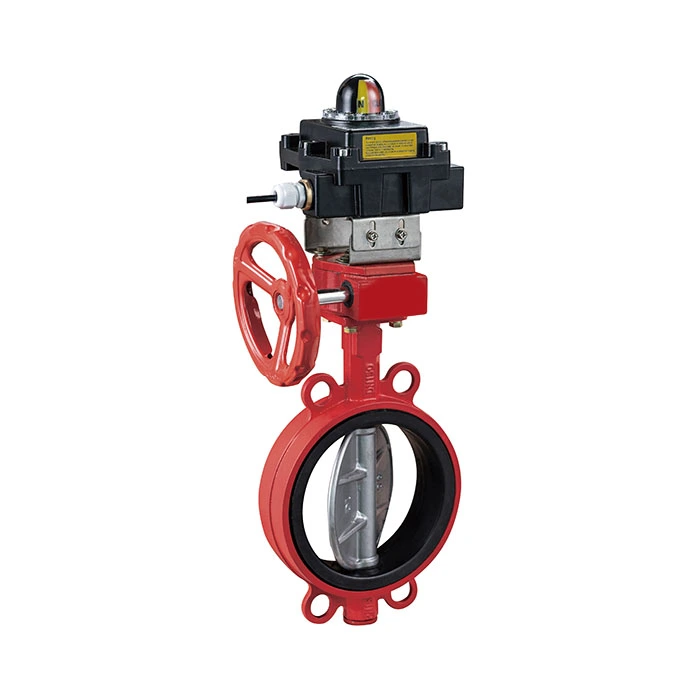
Signal Butterfly Valve
In China,FUXEON® signal butterfly valve is equipped with a valve switch signal feedback device. It is mainly used in automatic sprinkler fire extinguishing systems, hydrant systems, and other fire protection pipelines that require monitoring of valve status.
High Pressure Water Mist Nozzle
FUXEON® high pressure water mist nozzle, as the core component of fine water mist fire extinguishing system, plays a vital role in the field of fire suppression.Driven by pressure, it can spray fine water mist, efficiently extinguish fire or control fire, protect fire safety in various places, and the fire extinguishing system is efficient and environmentally friendly, and has a wide range of applications. However, when in use, Specialized design and installation need to be carried out according to the construction site or the drawings.
Manual Butterfly Valve
The FUXOEN® manual butterfly valve is a valve that controls fluid flow or cuts off fluid flow by rotating a circular valve disc. It has a simple structure, small size, light weight, and quick opening and closing, and is one of the most commonly used control valves in industrial, water supply and drainage, fire protection, heating, ventilation, and chemical pipeline systems. Our factory provides OEM services, welcome to consult us.
Signal Gate Valve
FUXEON® Signal Gate Valve is a highly reliable resilient-seated valve available in various models. Thanks to its scientific design, premium materials, and triple-safety sealing system, it boasts excellent sealing, corrosion resistance, and durability. As a professional manufacturer, we provide high-performance products to global customers, widely used in fire protection, water supply and drainage, and petrochemical pipelines. As a trusted Chinese supplier, we have earned global recognition.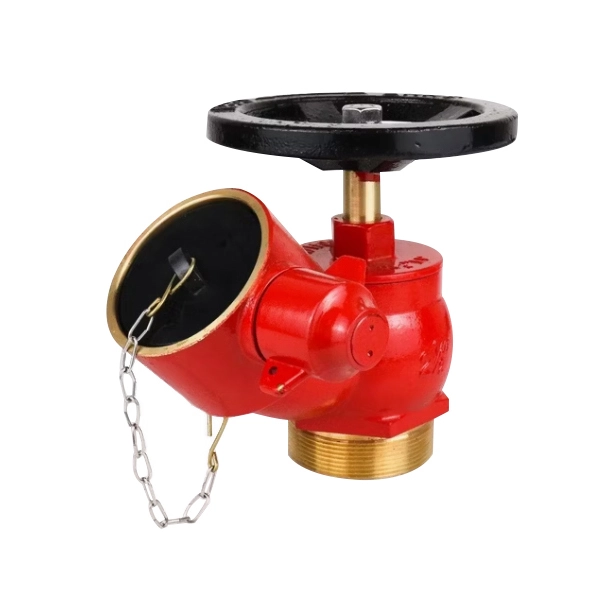
Fire Angle Valve
The durable Fire Angle Valve supplied by Fuxeon® is an outlet installed on the fire water supply network (vertical pipe/main circuit), designed to quickly provide water supply in case of a fire, so as to connect water hoses and nozzles for firefighting. They are commonly used in high-rise buildings, shopping malls, subways, factories, warehouses, airports, and other public areas, ensuring that both personnel and firefighters can access water rapidly in case of a fire.
GOST Fire Coupling
In China,FUXEON® GOST fire couplings are manufactured using a mechanical die-casting process, with materials selected from aluminum alloy or brass, fully complying with GOST 28352-89 and GOST R 53279-2009 standards. They are primarily used to connect fire hoses, fire hydrants, water pumps, and sprinklers, offering quick and easy connection. They are also reliable in structure, provide excellent sealing, and are simple to use.
- Related Blog
- Reviews