Single Jacket Fire Hose Pressure and Temperature Ratings
For specifying engineers and procurement managers, the performance of a fire hose is defined by its operational limits. Understanding the exact pressure and temperature ratings of a fire hose is essential to prevent catastrophic failures during high-stakes firefighting operations. FUXEON® single jacket fire hoses are subjected to rigorous testing to establish their precise working envelopes across different materials and configurations.
Understanding Working vs. Burst Pressure
It is vital to distinguish between working pressure and burst pressure. The working pressure is the maximum pressure at which the hose is designed to operate continuously. Our standard single jacket hoses are available in ratings of 10 bar, 13 bar, 16 bar, 25 bar, and 30 bar, with specialized high-pressure models reaching up to 50 bar. The burst pressure is typically 3 to 4 times the working pressure, providing a crucial safety margin against sudden water hammer effects.
The ability to withstand these pressures is determined by the adhesion strength between the polyester jacket and the inner lining. Poorly manufactured hoses will delaminate and burst, whereas FUXEON® hoses utilize advanced bonding technology to maintain structural integrity under load.
Temperature Ratings and Lining Selection
The temperature resistance of your hose is entirely dependent on the inner lining material chosen for your specific application:
- Standard PVC Lining: Best suited for ambient temperatures, typically ranging from -5°C to +50°C. It offers a cost-effective solution with excellent flow characteristics for standard municipal water.
- EPDM (Ethylene Propylene Diene Monomer): The premium choice for extreme heat and chemical exposure. EPDM linings can handle higher operating temperatures (often up to 100°C or more, depending on the specific compound) and maintain flexibility in cold conditions.
- PU (Polyurethane): Exceptional for cold weather deployments. PU remains flexible at sub-zero temperatures and offers high resistance to oils, fuels, and abrasion.
- Natural/Synthetic Rubber: Provides a balanced, all-weather performance profile with good heat and abrasion resistance.
Impact of Media on Ratings
While water is the primary medium, these hoses are often used in industrial settings to transport other fluids. PU and EPDM linings are chemically resistant and are frequently used in conjunction with foam bladder tanks to deliver AFFF or AR-AFFF foam concentrates. Always consult the chemical compatibility chart if you are pumping corrosive fluids, as certain chemicals can degrade the lining at high temperatures.
Frequently Asked Questions (FAQ)
What happens if I exceed the rated temperature of the hose?
Exceeding the temperature rating can cause the inner lining to soften, blister, or delaminate from the polyester jacket. This significantly weakens the hose and can lead to a catastrophic burst under pressure. Always verify the temperature of the fluid and the ambient environment before selecting a hose.
Why does a 50-bar hose cost more than a 16-bar hose?
Higher pressure ratings require denser weaving of the polyester jacket, thicker liners, and stronger adhesive bonding between layers. This requires more advanced manufacturing processes and raw materials, which increases the overall cost. View our Contact Us page to discuss your specific pressure requirements.
Can I use a high-pressure hose for low-pressure applications?
Yes, using a higher-rated hose for a lower-pressure system is entirely safe. It provides an extra margin of safety and durability. However, it may be slightly heavier and stiffer than a hose rated specifically for lower pressures.
Related Products

Hot Products
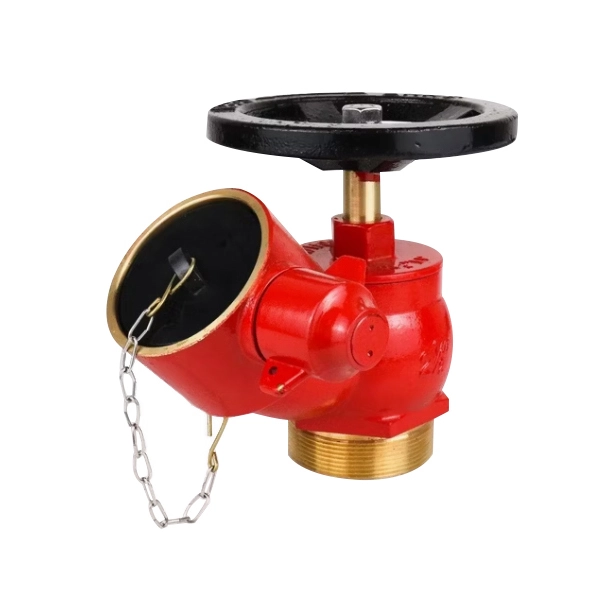
KPA Fire Hydrant
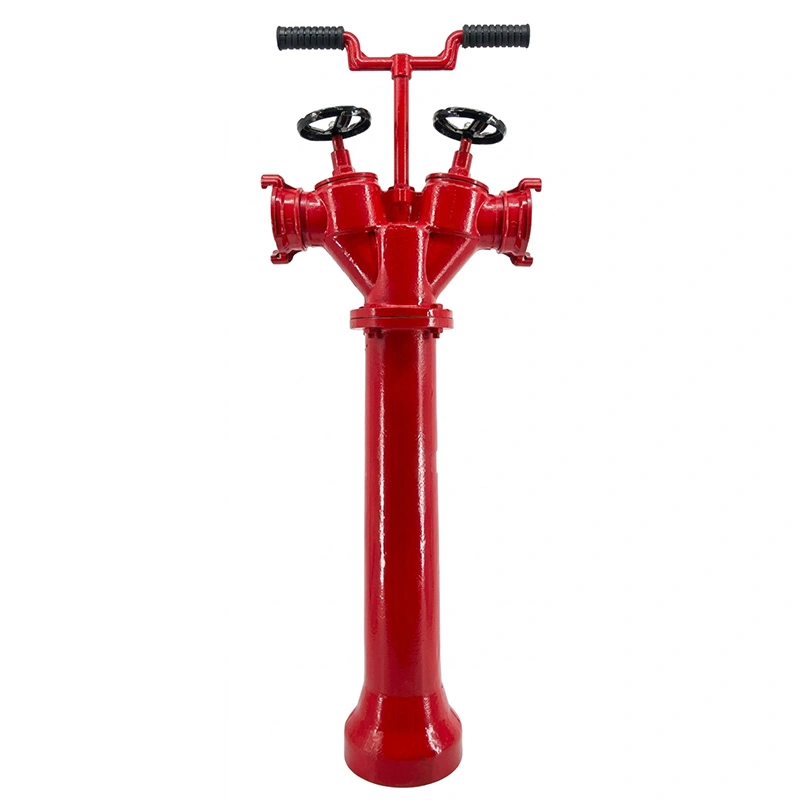
The FUXEON® KPA fire hydrant is a device that connects to underground fire hydrants. Its function is to open or close the hydrant and connect fire hoses to provide water to fire and rescue departments. This fire hydrant is suitable for temperate, cold, and tropical climates and meets the installation requirements specified in GOST 15150-69 standard.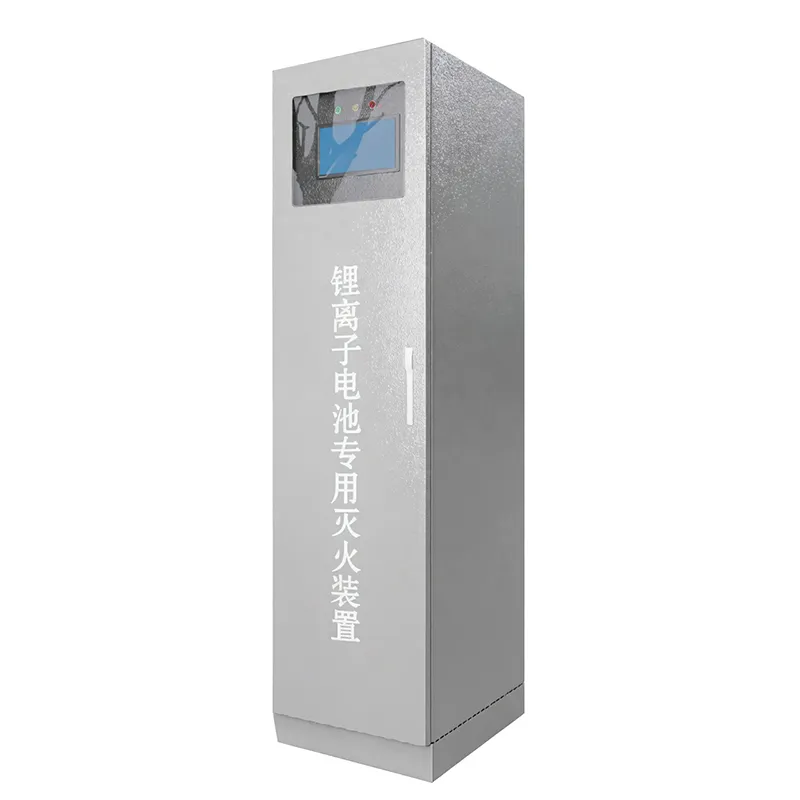
Lithium-Ion Battery Fire Extinguishing Device
Today, lithium-ion batteries are widely used in power banks, e-bikes, electric cars and other products, yet they bring serious fire safety risks. Lithium-ion battery fires are hard to put out completely and often reignite even after temporary suppression. As a professional manufacturer from China, FUXEON® has developed a dedicated lithium-ion battery fire extinguishing device, with UPA extinguishing agent as the core to effectively extinguish fires and prevent re-ignition. Backed by our modern factory, we serve as a reliable supplier of professional lithium battery fire safety solutions worldwide.
Rubber Check Valve
FUXEON® offers the Discount Rubber Check Valve, which is specifically designed for use in water supply networks and pumping stations, is an important device to ensure the stable operation of fluid systems.As a fully enclosed double-flange check valve, I can effectively prevent medium backflow, whether it is clean water transfer or sewage treatment scenarios, can be excellent, for all types of fluid engineering to provide reliable protection.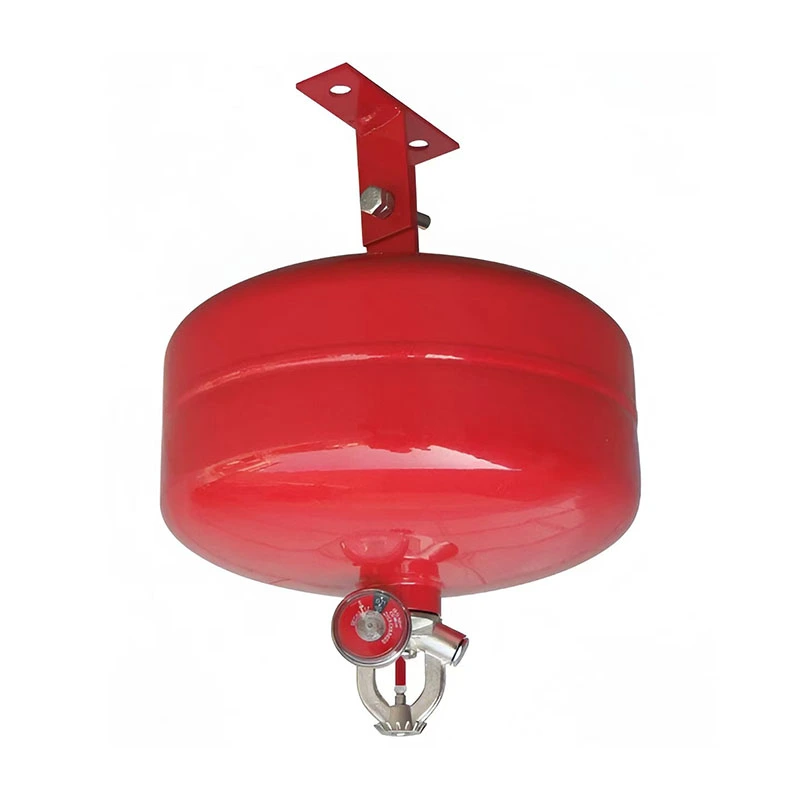
Hanged Dry Powder Fire Extinguisher
The Hanged Dry Powder Fire Extinguisher of FUXEON® is manufactured in China and is specifically designed for certain protection areas., with its core triggering mechanism revolving around a temperature-controlled glass bulb. When a fire occurs within the protected area, the spread of the fire causes the ambient temperature to rise continuously. Once the temperature reaches a preset trigger value (commonly 68℃), the temperature-controlled glass bulb on the extinguisher automatically breaks, initiating the extinguishing process.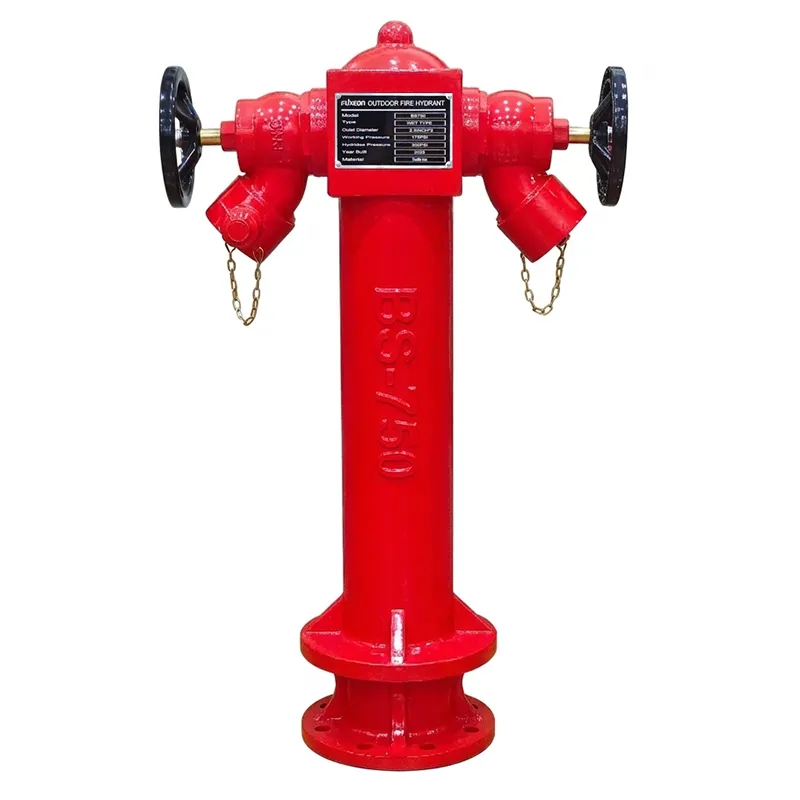
2-Way BS Fire Hydrant
As a professional manufacturer in China, FUXEON® 2-way BS fire hydrant is a high-performance wet outdoor fire hydrant conforming to BS 750 standards, a core piece of equipment in municipal and industrial fire safety systems. This fire hydrant features a ductile iron body, a 4-inch BS flange inlet, and two 2.5-inch brass outlets. It operates at 16 bar and its dual-purpose design combines flexibility and practicality. Manufactured directly in our factory, it offers excellent value for money and can be customized to meet specific needs, making us a trusted fire hydrant supplier for customers worldwide.
Manual Butterfly Valve
The FUXOEN® manual butterfly valve is a valve that controls fluid flow or cuts off fluid flow by rotating a circular valve disc. It has a simple structure, small size, light weight, and quick opening and closing, and is one of the most commonly used control valves in industrial, water supply and drainage, fire protection, heating, ventilation, and chemical pipeline systems. Our factory provides OEM services, welcome to consult us.
- Related Blog
- Reviews