What Is a Fire Hydrant and Why Is It Essential for Modern Fire Protection?
A fire hydrant is one of the most important components in urban and industrial fire protection systems. It provides firefighters with a reliable water source during emergencies, helping control fires quickly and reduce property damage and safety risks. This article explains how fire hydrants work, why they are important, different types available, key selection factors, installation considerations, and how high-quality solutions can improve overall fire safety.
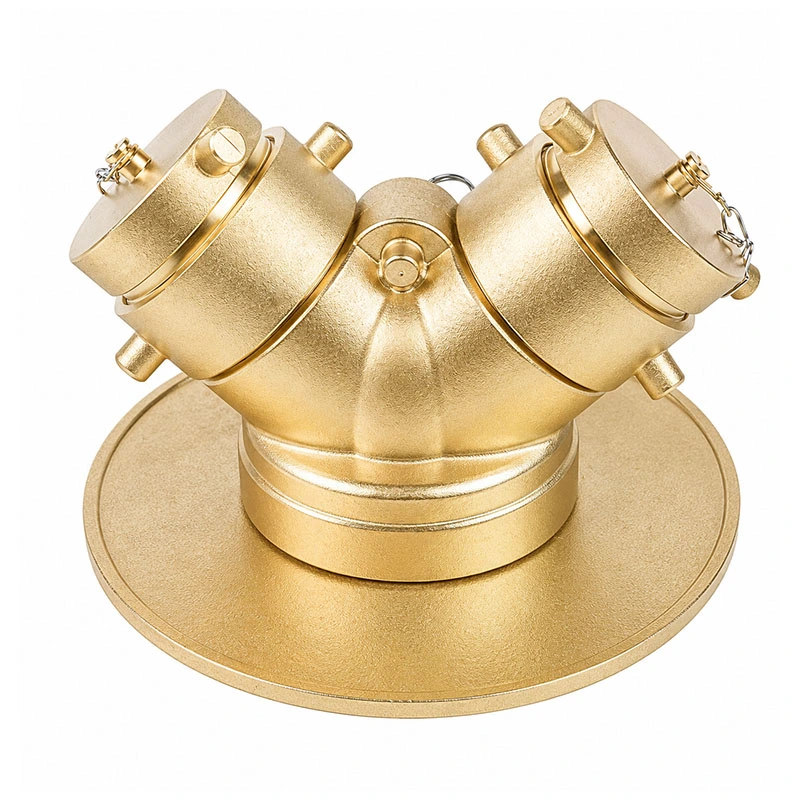
Table of Contents
- 1. What Is a Fire Hydrant?
- 2. Why Is a Fire Hydrant Important?
- 3. How Does a Fire Hydrant Work?
- 4. What Are the Different Types of Fire Hydrants?
- 5. How to Choose the Right Fire Hydrant?
- 6. What Should Be Considered During Installation and Maintenance?
- 7. Where Are Fire Hydrants Commonly Used?
- 8. Reliable Fire Protection Solutions from Fuxeon
- 9. Frequently Asked Questions
What Is a Fire Hydrant?
A fire hydrant is a specialized water supply device designed to provide immediate access to large amounts of water for firefighting operations. Installed along streets, commercial areas, factories, residential communities, and industrial facilities, fire hydrants allow firefighters to connect hoses and quickly obtain a stable water flow when a fire occurs.
Unlike ordinary water outlets, fire hydrants are engineered to withstand high pressure, harsh outdoor environments, and frequent emergency demands. They serve as a critical connection between municipal water systems and firefighting equipment, ensuring that emergency teams can respond efficiently.
Modern fire protection systems rely heavily on properly designed fire hydrants because every second matters during a fire emergency. A dependable hydrant system can help limit fire expansion, protect lives, and minimize economic losses.
Key Features of a High-Quality Fire Hydrant
- Reliable water supply: Provides consistent water access during emergencies.
- Strong pressure resistance: Designed for demanding firefighting conditions.
- Weather durability: Suitable for outdoor installation in different climates.
- Easy connection: Allows firefighters to quickly attach hoses and equipment.
- Long service life: Reduces replacement frequency and maintenance costs.
Why Is a Fire Hydrant Important?
Fire accidents can spread rapidly, especially in buildings, warehouses, manufacturing facilities, and densely populated areas. A fire hydrant provides firefighters with the necessary water supply to fight flames effectively before they cause severe destruction.
| Importance | Benefits |
|---|---|
| Rapid Emergency Response | Allows firefighters to access water quickly and reduce response time. |
| Fire Control Efficiency | Supports powerful water discharge to suppress different types of fires. |
| Property Protection | Helps minimize structural damage and financial losses. |
| Public Safety | Improves protection for communities, workers, and residents. |
| Regulatory Compliance | Helps buildings meet fire safety requirements. |
Without reliable fire hydrants, firefighters may face delays in obtaining enough water, making fire control more difficult. For this reason, governments, businesses, and property owners consider hydrant systems an essential investment rather than an optional safety feature.
How Does a Fire Hydrant Work?
A fire hydrant operates by connecting directly to a pressurized water supply network. When firefighters open the hydrant valve, water flows from underground or above-ground pipelines through the hydrant outlet into connected fire hoses.
The basic operating process includes:
- The hydrant remains connected to a pressurized water source.
- Firefighters remove the protective cap and connect hoses.
- The valve is opened to release water.
- Water flows through hoses to firefighting nozzles.
- Firefighters direct the water stream toward the fire area.
The performance of a fire hydrant depends on factors such as water pressure, pipeline design, material quality, and regular maintenance.
What Are the Different Types of Fire Hydrants?
Fire hydrants are available in different designs to meet various environments and firefighting requirements.
| Type | Description | Typical Applications |
|---|---|---|
| Wet Barrel Fire Hydrant | The barrel remains filled with water and is suitable for warm climates. | Urban areas, coastal regions |
| Dry Barrel Fire Hydrant | The barrel stays empty until activated, preventing freezing. | Cold climate regions |
| Underground Fire Hydrant | Installed below ground for space-saving and aesthetic requirements. | Commercial areas, historical zones |
| Outdoor Fire Hydrant | Designed for external firefighting access. | Factories, warehouses, public areas |
Selecting the correct type depends on climate conditions, installation environment, water system design, and local fire protection standards.
How to Choose the Right Fire Hydrant?
Choosing a suitable fire hydrant requires careful consideration because different applications have different safety requirements.
Important Selection Factors
- Material Quality: Durable materials such as cast iron, ductile iron, or corrosion-resistant alloys improve lifespan.
- Pressure Rating: The hydrant should match the pressure requirements of the firefighting system.
- Environmental Conditions: Outdoor installations require protection against corrosion, temperature changes, and weather exposure.
- Maintenance Convenience: A practical design makes inspection and repair easier.
- Certification Requirements: Products should comply with relevant safety standards for reliable operation.
Many customers face challenges when selecting fire protection equipment, including inconsistent product quality, complicated installation, and high maintenance costs. Working with an experienced manufacturer helps reduce these risks and ensures better system reliability.
What Should Be Considered During Installation and Maintenance?
Proper installation is essential for ensuring that a fire hydrant performs effectively during emergencies. Even a high-quality product may fail if installed incorrectly or neglected over time.
| Maintenance Item | Recommended Action |
|---|---|
| Visual Inspection | Check for corrosion, damage, leaks, and missing components. |
| Water Flow Testing | Confirm that pressure and discharge capacity meet requirements. |
| Valve Inspection | Ensure valves open and close smoothly. |
| Cleaning | Remove dirt and debris around hydrant connections. |
Regular testing improves reliability and helps identify potential problems before an emergency occurs.
Where Are Fire Hydrants Commonly Used?
Fire hydrants are widely used in various environments where fire protection is essential.
- Residential Communities: Protect apartments, houses, and public living areas.
- Industrial Facilities: Provide emergency water access for factories and production sites.
- Commercial Buildings: Support shopping centers, offices, and business complexes.
- Transportation Facilities: Improve safety in airports, stations, and terminals.
- Municipal Infrastructure: Protect streets and public areas.
- Energy and Chemical Industries: Provide critical firefighting support in high-risk environments.
Reliable Fire Protection Solutions from Fuxeon
Choosing a trusted manufacturer is important for ensuring long-term fire safety performance. Fuxeon Fire-Fighting Technology Co.,Ltd. focuses on providing reliable firefighting equipment solutions designed to meet professional application requirements.
With attention to product quality, engineering standards, and customer needs, Fuxeon Fire-Fighting Technology Co.,Ltd. provides fire protection products that help customers improve emergency preparedness and safety management.
Whether for industrial projects, commercial buildings, or municipal applications, selecting dependable fire protection equipment can make a significant difference when emergencies happen.
Frequently Asked Questions
What is the main purpose of a fire hydrant?
The main purpose of a fire hydrant is to provide firefighters with quick access to a large and reliable water supply during fire emergencies.
How often should fire hydrants be inspected?
Fire hydrants should be inspected regularly according to local safety regulations and application requirements. Routine checks help ensure proper operation when needed.
What materials are commonly used for fire hydrants?
Common materials include cast iron, ductile iron, and corrosion-resistant metals because they provide strength and durability for outdoor environments.
Why is choosing a reliable fire hydrant manufacturer important?
A reliable manufacturer provides better product consistency, technical support, and quality assurance, helping customers build safer and more dependable fire protection systems.
Improve Your Fire Safety System Today
A dependable fire hydrant system is a vital part of modern fire protection. For high-quality firefighting solutions, professional support, and customized requirements, contact Fuxeon Fire-Fighting Technology Co.,Ltd. today. Our experienced team is ready to provide reliable products and solutions to help protect lives and properties.
Contact us for more information about advanced fire hydrant solutions and professional fire protection equipment.
Next :
Related News
- Selection of dry powder fire extinguishers
- The function of a fire hose nozzle
- Applications of alarm valves
- How to Maintain Silent Check Valve for Reliable Fire Protection and Water System Performance
- Why Upright Sprinklers Remain Important in Reliable Fire Protection Systems
- The New Standard GB15090-2026 for "Fire Hose Reel"
Leave me a message