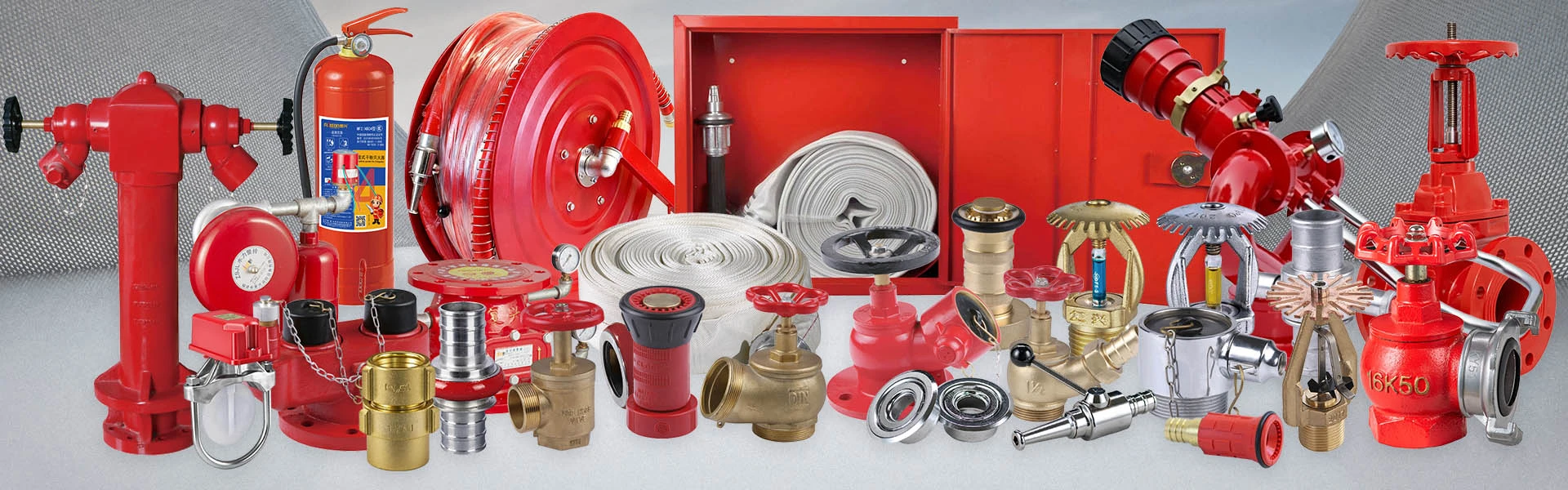
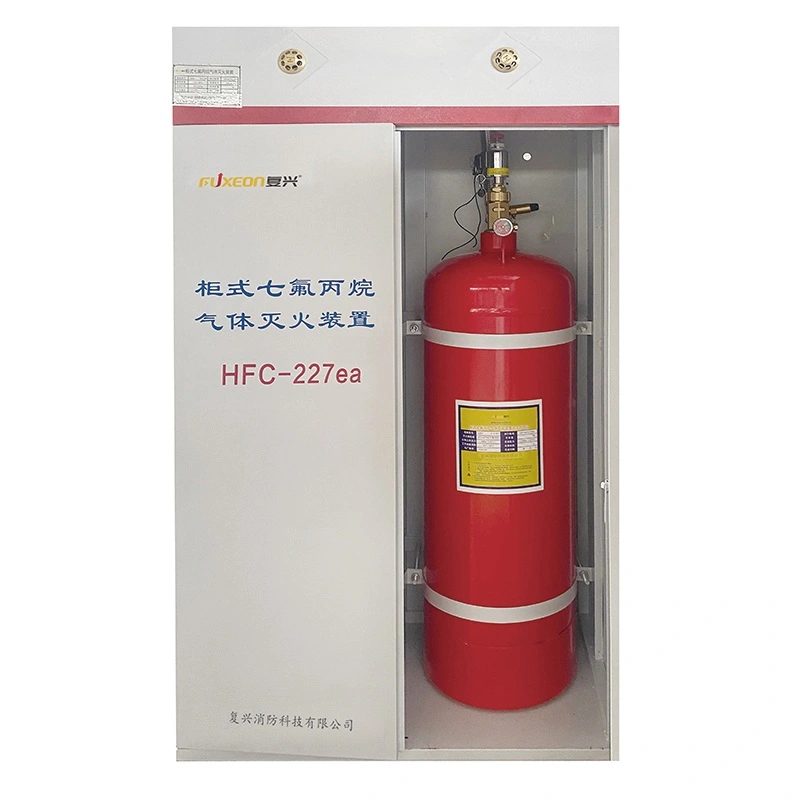
FM200 Gas Fire Extinguishing System
FM200 Gas Fire Extinguishing System – Professional Clean Agent Suppression
Modern risk assessment highlights the need for suppression technologies that deliver instantaneous fire knockdown without secondary damage. The FM200 Clean Agent Fire Suppression System satisfies this demand by deploying HFC-227ea, a heptafluoropropane compound recognized for its rapid heat-absorption capability and chemical interference with flame propagation. Discharged within seconds, the gas penetrates every corner of an enclosure, reaching design concentrations that extinguish Class A, B, and C fires before heat or smoke can escalate. Because the agent is electrically non-conductive and leaves zero residue, it is the default choice for data halls, medical imaging suites, archive vaults, and switchgear rooms where a few seconds of downtime can translate into substantial financial or cultural loss. The system interfaces seamlessly with aspirating smoke detectors, conventional panels, and addressable control units, enabling staged responses that include pre-alarm warnings, ventilation shutdown, and emergency power disconnection. Cylinder banks are engineered with welded steel construction and equipped with durable brass valve assemblies tested to withstand repeated pressurization cycles, ensuring long-term reliability under continuous standby conditions.
The FM200 Gas Fire Extinguishing System is built around a total-flooding philosophy that prioritizes uniform concentration distribution through hydraulic calculation or full-scale discharge verification. Storage pressures are maintained at 25 bar at 21 °C, with super-pressurization by nitrogen to guarantee consistent flow dynamics even in low-temperature installations. Each container assembly is hydrostatically tested and marked in accordance with DOT or TPED standards, and fitted with a pressure gauge, a low-pressure supervisory switch, and a rupture disc for over-pressure safety. Discharge nozzles are precision-machined from brass or stainless steel, optimized for 360-degree radial dispersion or directional throw depending on compartment geometry. The manifold system supports up to ten linked cylinders, allowing flexible scaling for volumes up to 2,500 m³ without altering floor footprint. Actuation options include 24 V DC electric solenoid, manual lever release, and remote pneumatic stations, providing layered control that satisfies both automatic detection and manual fire-fighting protocols. All sealing components, including O-rings and gaskets, are selected from chemical-resistant elastomers to maintain agent integrity over a twenty-year service life with minimal maintenance burden.
Key Performance Advantages
- Rapid discharge within 10 seconds limits fire growth and equipment exposure
- Occupied space safety — FM200 is approved for use at design concentrations in normally occupied areas
- Zero ozone depletion potential (ODP) and low global warming impact, aligning with international environmental agreements
- No post-fire cleanup — the agent vaporizes cleanly, leaving no corrosive residues or moisture
- Compact cylinder footprint — a single 100 L container can protect over 150 m³ of space
- Wide compatibility with fire alarm panels, pressure-operated release controls, and IoT monitoring modules
- Long storage stability — agent chemical composition remains unchanged for decades without degradation
- Short business interruption period — systems can be recharged and returned to service within hours
Detailed Technical Specifications
| Parameter | Specification |
|---|---|
| Agent Designation | FM-200 (HFC-227ea) |
| Chemical Formula | CF₃CHFCF₃ |
| Minimum Design Concentration (Heptane) | 7.17% by volume |
| Cylinder Nominal Capacities | 40 L, 67 L, 80 L, 100 L, 140 L |
| Filling Density (Max.) | 1.15 kg/L |
| Working Pressure at 21 °C | 25 bar (360 psi) |
| Maximum Service Pressure | 34.5 bar (500 psi) |
| Agent Liquid Density at 25 °C | 1.39 g/cm³ |
| Discharge Time (NFPA 2001) | ≤ 10 seconds |
| Storage Temperature Range | -20 °C to +50 °C |
| Cylinder Body Material | High-strength welded steel, red epoxy painted |
| Valve Type | Brass differential pressure seat valve with integral safety disc |
| Activation Methods | Solenoid (24 V DC), manual lever, remote pneumatic (up to 6 bar) |
| Nozzle Spray Pattern | 360° radial or directional, 3/4” to 2” NPT thread |
| Compatible Detection Protocols | Cross-zoned smoke / heat, air-sampling, IR flame detectors |
| Certifications | UL, FM, LPCB, CE (in accordance with PED) |
Installation workflows begin with a room integrity test to ensure the enclosure retains the agent for the required hold time, typically ten minutes for occupied spaces. Pipe networks are constructed from schedule 40 steel or seamless stainless steel, sized through hydraulic flow models that account for elevation changes, friction losses, and nozzle orifice dynamics. The system is charged with dry nitrogen to the target super-pressurization level, and each cylinder is individually weighed after filling to confirm the correct agent mass. Commissioning includes solenoid operational checks, pressure switch monitoring, and verification of the main reserve changeover valve for multi-bank setups. Routine maintenance intervals focus on semi-annual cylinder weight confirmation, visual inspection of discharge hoses, and testing of detection circuit continuity. Because the FM200 Gas Fire Extinguishing System employs a clean, vaporizing agent, no purging or area cleaning is required after a discharge event, allowing facility operations to resume with only cylinder replacement and system repressurization. The entire cycle, from suppression to recharge, routinely concludes within a single working shift, drastically minimizing operational downtime. System performance is backed by extensive third-party testing and decades of proven field data across telecommunications, marine, power generation, and cultural heritage sectors.
Related Products
Hot Products
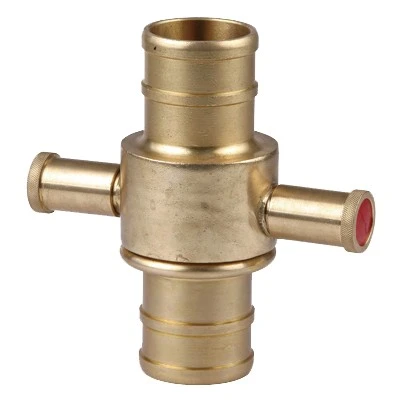
BSP Fire Coupling
FUXEON® is a professional manufacturer of BSP fire couplings with years of rich production experience. Based in China, our factory boasts a complete production line from casting and machining to final product assembly, ensuring high cost-effectiveness of products. As a reliable supplier, we mainly provide standard 1.5”, 2”, and 2.5” BSP fire couplings that meet the requirements of the UK Fire Service and various fire-related facilities, and also offer customized production services according to customer needs.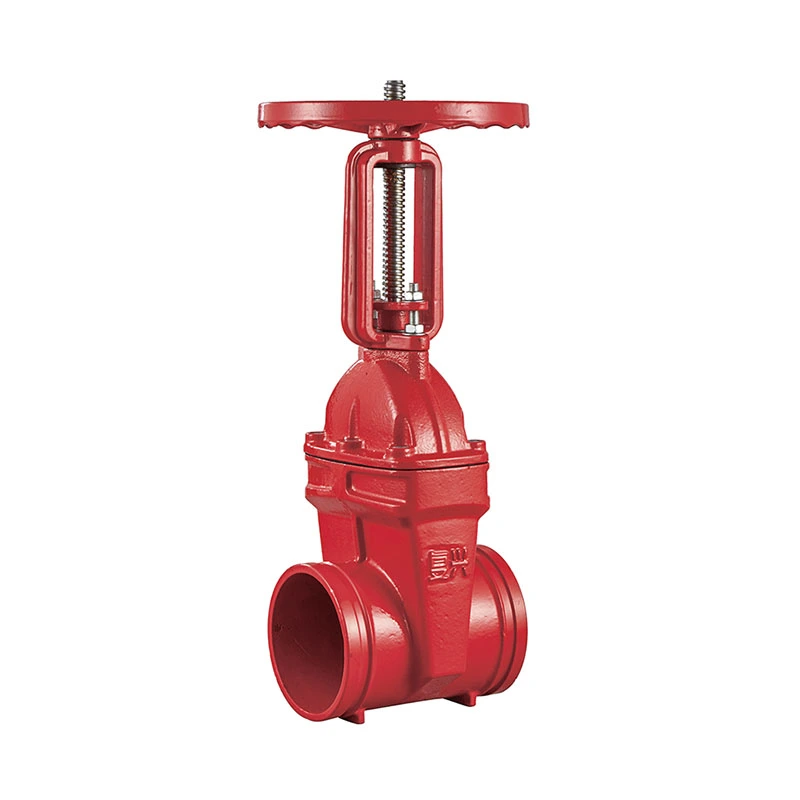
OSY Gate Valve
FUXEON®'s OSY Gate Valve is FM approved and available in sizes ranging from DN50 to DN300 (2”-12”). The valve body is primarily made of ductile iron, but stainless steel is also available. It is one of the most important components in fire protection systems. Customization is also available to meet your specific needs.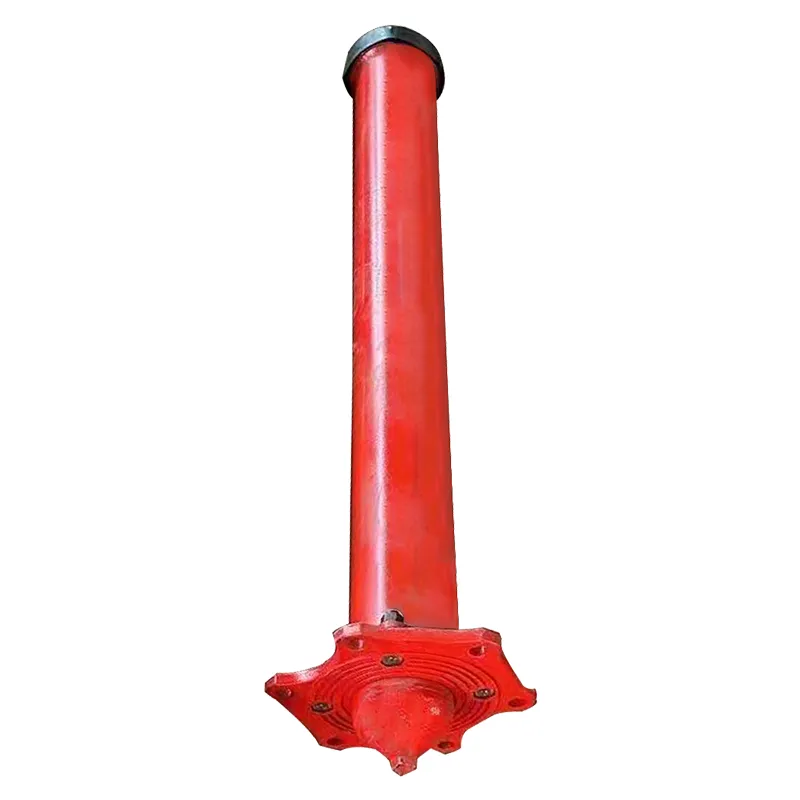
GOST Underground Steel Fire Hydrants
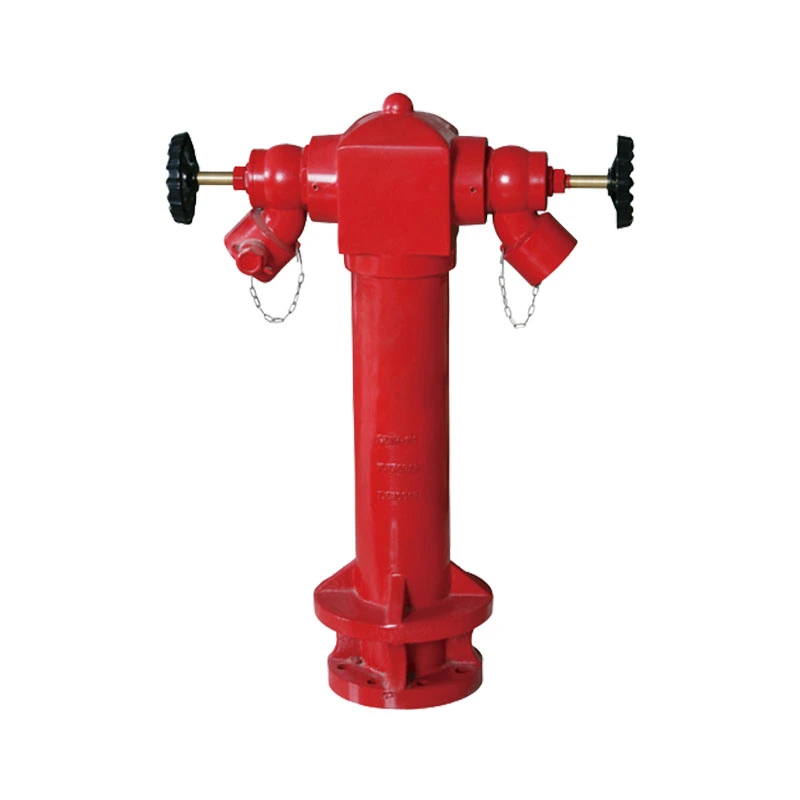
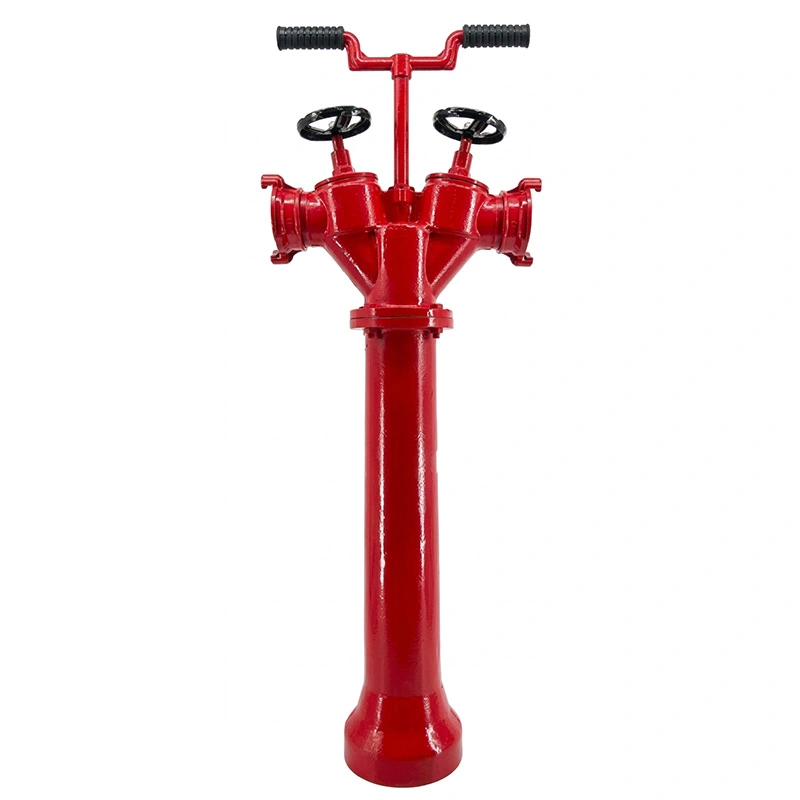
FUXEON® GOST underground steel fire hydrants are high-performance, cost-effective fire-fighting water supply equipment designed strictly according to GOST standards. The products feature a robust steel structure, alkyd resin anti-corrosion coating, and flange-threaded double-end connections, ensuring stable operation and a service life of up to 30 years. They are manually operated via a center key with an opening torque of 105 N·m and are suitable for temperatures ranging from 5℃ to 90℃. Proven reliable in actual industrial projects, the products are easy to maintain and highly compliant. FUXEON® is a trustworthy Chinese manufacturer and professional supplier that meets the global GOST standard fire infrastructure requirements.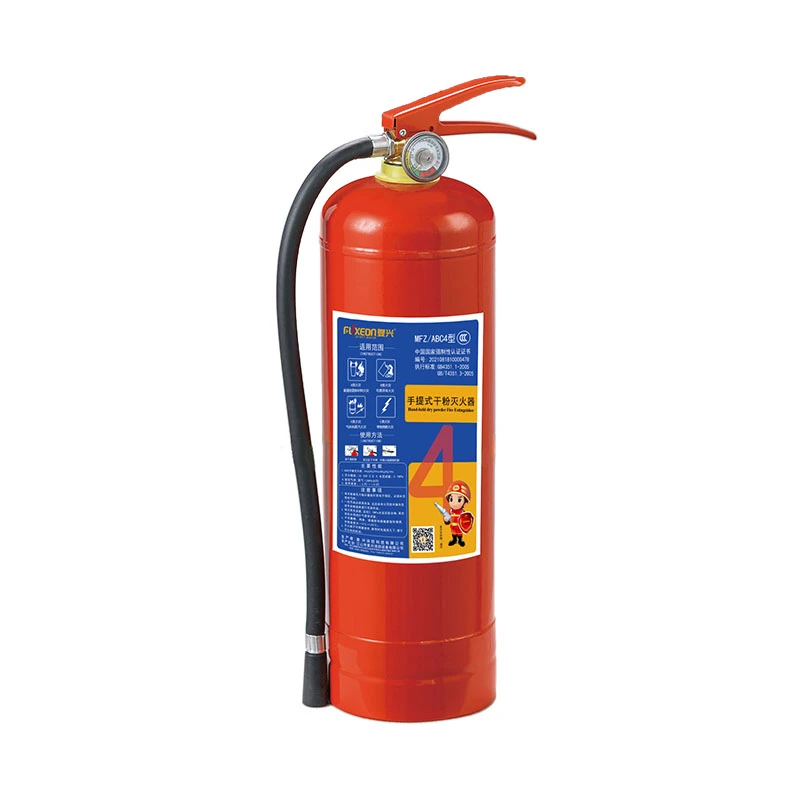
ABC Dry Powder Fire Extinguisher
FUXEON® ABC dry powder fire extinguishers are filled with ABC dry powder (main component: ammonium phosphate), which has good flowability, strong anti-caking properties, is non-toxic, odorless, and non-conductive, and can be stored for a long time. They are widely used in homes, chemical plants, libraries, docks, fuel depots, boiler rooms, warehouses, and other places, and are an indispensable fire safety equipment.You can obtain free samples through our website.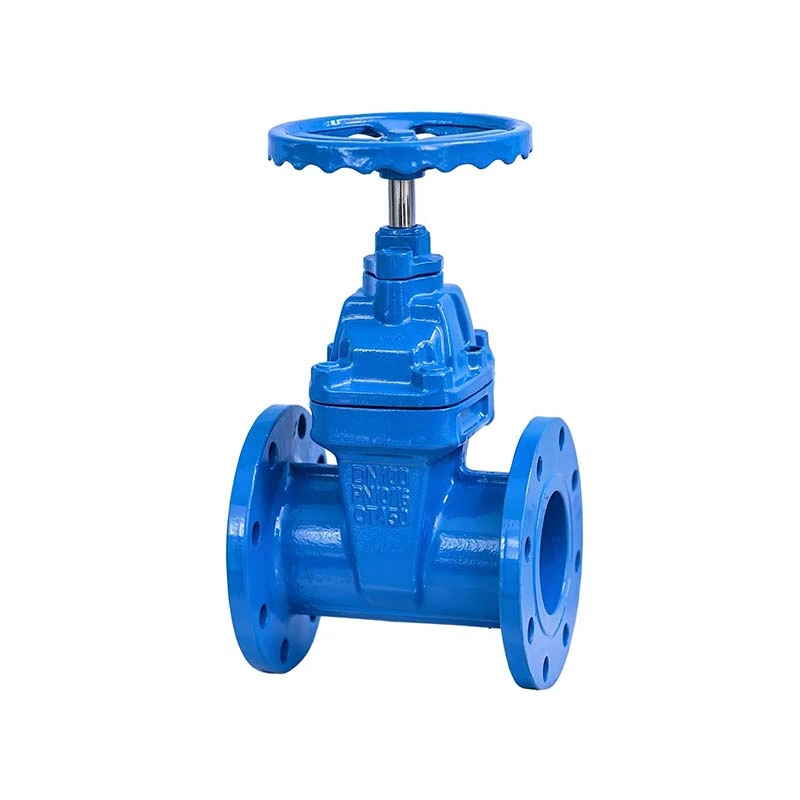
NRS Gate Valve
FUXEON®'s NRS gate valve features a dust ring and triple O‑ring design for excellent sealing, and the gate is encased in rubber for superior corrosion resistance. Our valves are coated with a harmless epoxy resin electrostatic powder, making them suitable for both building and food‑grade piping. As a professional manufacturer and reliable supplier from China, our factory ensures stable quality and consistent performance for every valve. For custom gate valve requests, please contact us.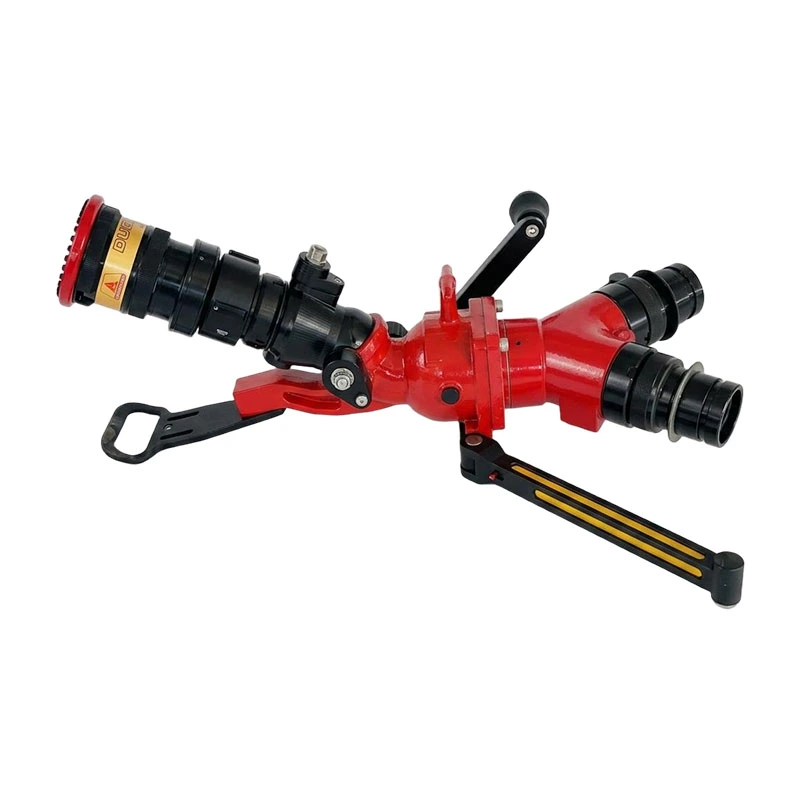
Fire Ground Monitor
FUXEON® fire ground monitor is feature-rich and have a long range. Made of aluminum alloy, they are lightweight and easy to carry, and feature a foldable support stand, allowing for flexible application in areas inaccessible to fire trucks and extending the protection range.
- Related Blog
- Reviews